





A New Global Pantry
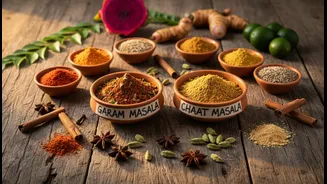
Something remarkable is happening in the world of vegetarian cooking. Ingredients once primarily found in Indian households are now staples in the global pantry. Spices and ingredients like turmeric, tamarind, ghee, and cardamom are no longer confined
to traditional Indian recipes; they are being embraced by chefs and home cooks to add new dimensions to international vegetarian dishes. This shift is driven by a growing global appetite for bold, authentic flavours and a deeper interest in the health benefits associated with many of these ingredients. As a result, Indian cuisine was even named the "Cuisine of the Year" for 2026 by one hospitality trends report, highlighting a creative renaissance led by a new generation of chefs.
Ghee: The Golden Touch in Modern Baking
Ghee, a form of clarified butter with ancient roots in India, is finding a new role in modern Western baking. Traditionally used for its long shelf life and high smoke point, bakers are now discovering that substituting ghee for butter adds a unique, nutty, and slightly caramelised flavour to cakes, cookies, and pastries. Because ghee has almost no water content compared to butter, it can create a more tender and moist crumb in baked goods like carrot cake and banana bread. It works brilliantly in recipes for shortbread, brownies, and muffins, offering a richer taste profile. While the swap is roughly one-to-one, the lack of water means some delicate recipes might need a splash of milk to maintain moisture, but for most everyday baking, ghee is a simple upgrade.
Cardamom: The Queen of Spices in Western Desserts
Cardamom, with its intensely fragrant notes of citrus and warmth, has long been essential in Indian sweets and chai. Now, its complex flavour is enhancing a wide array of Western desserts. Long a staple in Scandinavian baking, its use is expanding globally. You can now find it adding an elegant and unexpected twist to French chocolate mousse, where it balances the richness of dark chocolate. It's also being paired with fruit in apple cakes and ground into sugar cookie dough for a more sophisticated flavour. This spice's ability to complement both sweet and savoury profiles makes it a versatile tool for chefs looking to move beyond overly sweet desserts.
Tamarind: The Sweet and Sour Sensation
Tamarind, with its distinctive sweet and sour pulp, is a cornerstone of flavour in many Indian chutneys and curries. Globally, its unique tang is being used to add complexity to vegetarian dishes far beyond its traditional scope. While it's a key ingredient in Thai dishes like Pad Thai and Massaman curry, its use is spreading. The sour notes of tamarind can bring a savoury depth to plant-based meals, an element sometimes missing in vegetarian cooking. Food creators are using it to create glazes for roasted vegetables, as a secret ingredient in unique cocktails, and as a base for marinades that tenderise and flavour plant-based proteins.
The Wellness Connection: Turmeric and Ashwagandha
The global wellness boom has also played a huge role in the popularity of Desi ingredients. Turmeric, celebrated for its anti-inflammatory properties, has become a mainstream health ingredient worldwide, famously appearing in everything from golden milk lattes to supplements. Similarly, ashwagandha, an adaptogen used in Ayurvedic tradition to help the body manage stress, is now being integrated into a variety of products like teas, powders, and gummies. This focus on functional foods, where ingredients are chosen for their health benefits as well as their flavour, has opened the door for these ancient remedies to enter the modern global kitchen.