



Why the Rains Are Your Friend
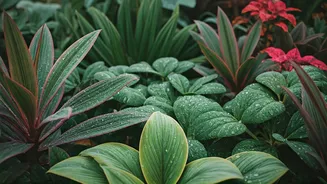
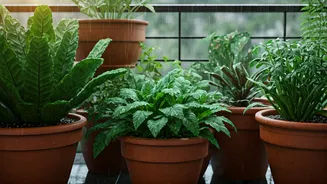
While many assume the constant downpour is bad for plants, the monsoon is actually nature’s prime time for growth. The high humidity in the air keeps plants hydrated and encourages lush foliage. The cooler temperatures reduce the stress on saplings, and the naturally
soft rainwater, free from the chlorine found in tap water, is a blessing for most plants. For a budding gardener, this season means less time spent with a watering can and more time watching your garden thrive. Seeds germinate faster, and cuttings take root more easily, offering the instant gratification that can turn a casual interest into a passionate hobby.
Setting the Stage for Success
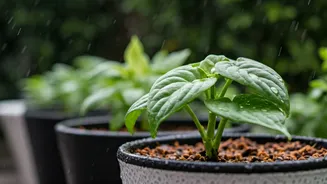
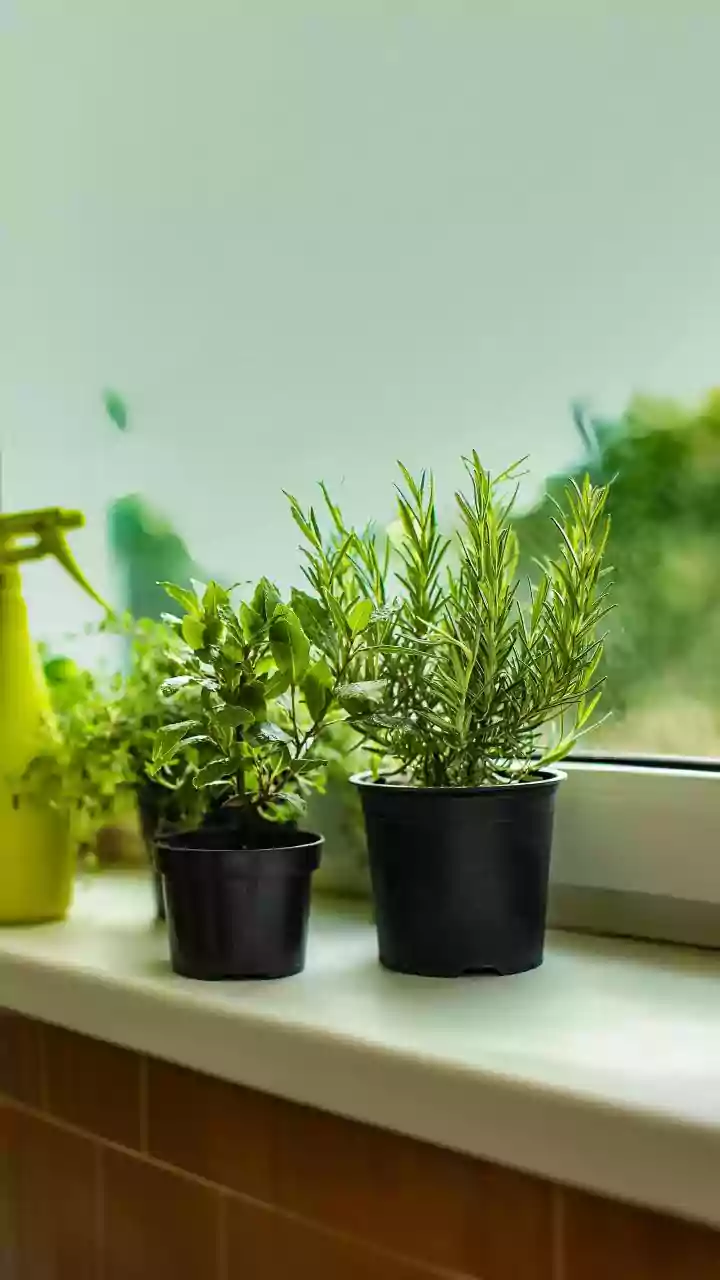
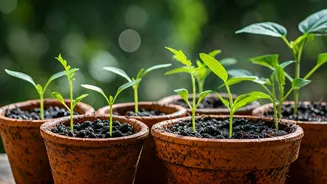
The single most important factor for monsoon gardening is drainage. Waterlogged soil is the fastest way to kill your plants, as it suffocates the roots and invites fungal diseases. Ensure every pot has drainage holes at the bottom. You can even add a layer of broken pot shards or small stones before adding soil. Prepare a light, well-draining potting mix. A good combination is one part garden soil, one part compost or vermicompost for nutrients, and one part coarse sand or cocopeat to keep the mixture from becoming compacted. This allows excess water to flow out freely while retaining just enough moisture for the plants to flourish.
Easy Vegetables to Grow Now
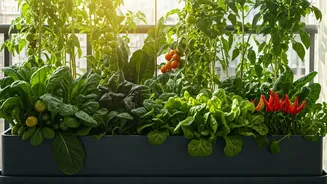
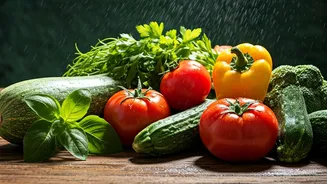
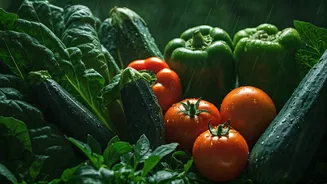
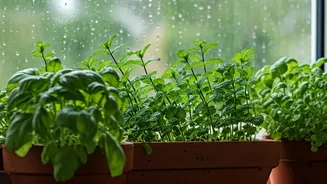
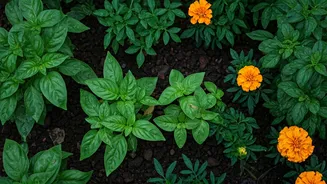
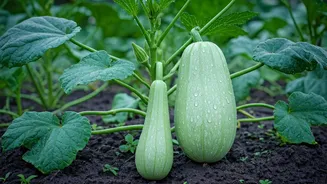
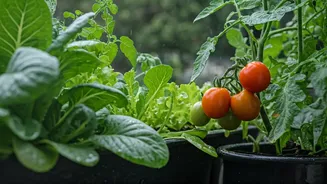
The monsoon is perfect for growing a variety of Indian vegetables that you can enjoy fresh in your cooking. Start with leafy greens like spinach (palak), amaranth (chaulai), and coriander (dhania), which grow quickly in the moist weather. This is also the ideal time to plant gourds like bottle gourd (lauki), ridge gourd (tori), and cucumber (kheera). Their vines love the ambient moisture. Other fantastic options include okra (bhindi), which is surprisingly resilient, and chillies, which thrive with the consistent watering the season provides. Sowing these seeds now can result in a delicious, organic harvest in just a few weeks.
Flowers that Love the Downpour
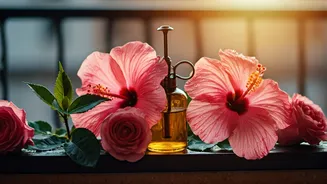
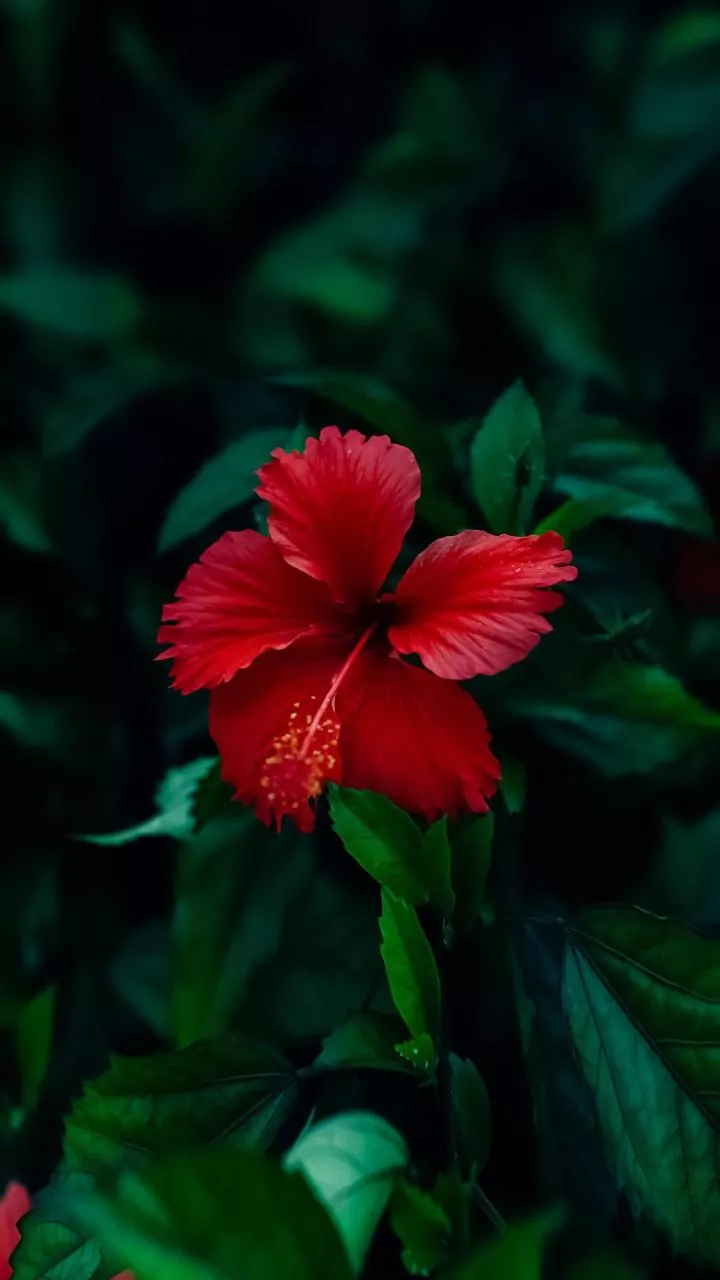
If you’re looking to add a splash of colour to your grey monsoon days, many flowering plants are at their best during this season. Marigolds (genda) are a classic choice; they are hardy, pest-repellent, and bloom profusely in the rains. Hibiscus (gudhal) is another star performer, producing large, vibrant flowers throughout the season. For something that truly sings of the monsoon, plant Balsam (gulmehndi) and an assortment of Jasmines like Mogra or Juhi, whose fragrances are heightened by the damp air. These plants don’t just beautify your space; they also attract pollinators like bees and butterflies, turning your balcony into a mini-ecosystem.
Essential Care During the Rains
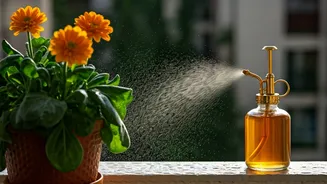
While the monsoon helps, it also brings unique challenges. Overwatering remains a risk, even with good drainage. If your pots are directly in the rain, check the soil. If it feels soggy, try to move them to a sheltered spot for a day or two. The damp conditions are also a breeding ground for pests like snails and slugs, as well as fungal infections. Regularly inspect the undersides of leaves for any signs of trouble. A simple spray of neem oil solution (a mix of neem oil, a mild liquid soap, and water) every 10-15 days can act as a natural and effective preventive measure against most common pests and fungi. Also, ensure your plants get at least 4-5 hours of sunlight whenever the sky is clear, as this helps prevent disease and promotes healthy growth.