




Mars and Uranus Are Getting Way Too Close
Kicking off the month with some serious planetary drama, Mars and Uranus will have an exceptionally close conjunction in the pre-dawn hours of July 4. For skywatchers, this is a fantastic opportunity to spot the elusive, blue-green Uranus using the much
brighter, reddish Mars as a guide. While Mars is easily visible to the naked eye, you'll want to grab a pair of binoculars or a small telescope to see Uranus appear as a tiny, coloured dot just a fraction of a degree away. Find the pair in the eastern sky before sunrise, hanging out near the Pleiades star cluster for an extra photogenic scene.
Saturn and the Moon's Late-Night Meetup
If you're a night owl, circle July 7 and 8 on your calendar. In the early morning hours, the waning crescent Moon will pass close by the ringed planet, Saturn. You can find them in the constellation Pisces after midnight. Saturn, with its steady, golden glow, is always a rewarding sight. This close approach with the Moon simply makes it easier to locate and appreciate, offering a serene view for anyone willing to stay up late or wake up early. Mars will also be making an appearance in the morning sky throughout the month, rising before the sun.
Venus Is the Unbothered Queen of the Evening
Throughout July, Venus will reign supreme as the brilliant 'evening star' in the western sky shortly after sunset. On July 16 and 17, it gets a special visitor when the thin crescent Moon slides by for a beautiful conjunction. This pairing will be one of the easiest and most stunning events to spot this month, perfect for casual observers and city dwellers. Venus's intense brightness means you won't need any special equipment. Just find a clear view of the western horizon as dusk settles in and watch the show.
The Full Buck Moon Lights Up the Sky
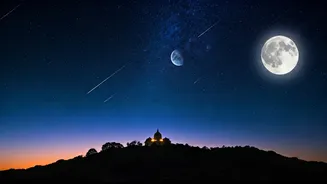
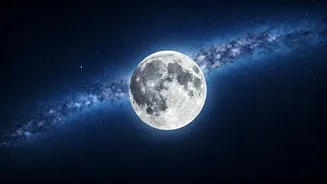
On July 29, the night sky gets its main character moment with the arrival of the Full Buck Moon. This full moon gets its name from the time of year when a male deer's antlers are in full growth mode. Other traditional names for July's full moon include the Thunder Moon and Hay Moon. Look for it to rise in the east around sunset, appearing large and golden as it clears the horizon due to a phenomenon known as the 'Moon Illusion'. In India, this full moon also coincides with the festival of Guru Purnima. While it will be beautiful, its brightness will unfortunately interfere with the month's big meteor shower.
The Delta Aquariids Are Spamming the Sky
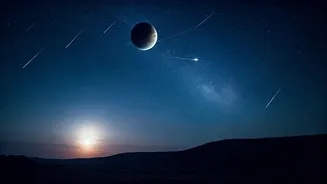
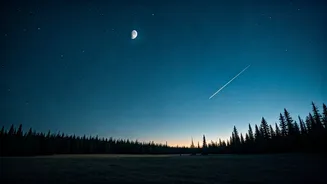
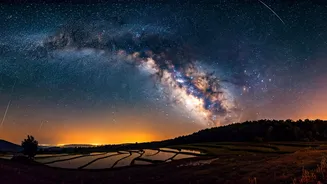
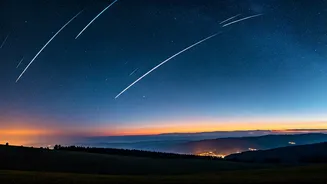
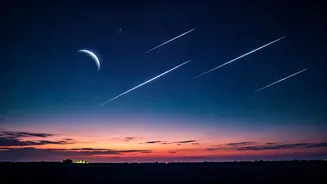
The main meteor shower for the month is the Southern Delta Aquariids, which are active from mid-July to late August and are set to peak around July 30. This shower is known for producing a steady stream of meteors—up to 20 per hour in perfect conditions—rather than a single, dramatic peak. It's best viewed from the Southern Hemisphere but can still be seen from the northern tropics. The meteors are debris left behind by Comet 96P/Machholz. The biggest challenge for viewers in 2026 will be the glare from the nearly full Buck Moon, which peaks on the 29th. Your best bet is to look for meteors in the week leading up to the peak, when the sky will be darker after midnight.