









Embrace Continuous Learning
In a world where skills can become outdated quickly, lifelong learning is no longer a suggestion—it's a necessity. Upskilling, which involves enhancing your existing abilities, and reskilling, which means learning new skills for a different role, are
crucial for staying relevant. Employers are increasingly looking for candidates who demonstrate a commitment to professional growth through certifications, workshops, or online courses. The focus is shifting from traditional degrees to verified, practical skills. As routine tasks become automated, companies are placing a premium on specialised expertise in high-impact areas. Investing in your professional development not only makes you more valuable in your current role but also enhances your overall employability and career prospects.
Develop Your AI Literacy
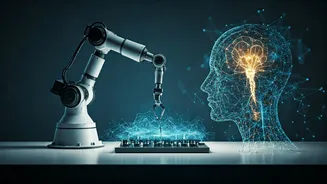
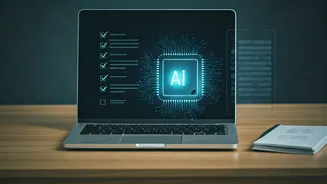
Artificial Intelligence is no longer a futuristic concept; it is actively reshaping industries and job functions. Rather than fearing replacement, the key is to understand how to collaborate with AI. Developing AI literacy—knowing how to use AI tools to enhance productivity, analyze data, and streamline workflows—is becoming a fundamental requirement. Companies are seeking professionals who can leverage AI for more informed, data-driven decision-making. While AI is expected to displace some jobs, it is also projected to create millions of new roles for those who possess the right skills to work alongside these technologies. Gaining a foundational understanding of AI tools, even in non-tech roles, demonstrates adaptability and positions you as a forward-thinking candidate.
Cultivate In-Demand Soft Skills
As technology automates technical and repetitive tasks, uniquely human skills have become more valuable than ever. Employers are increasingly seeking candidates who possess strong soft skills like communication, strategic problem-solving, emotional intelligence, and adaptability. These are abilities that AI cannot easily replicate. In an AI-driven job market, skills like critical thinking, leadership, and collaboration are not just bonuses; they are essential differentiators. The ability to work effectively in a team, manage complex projects, and communicate clearly—whether in person or remotely—can significantly set you apart in a competitive landscape.
Build a Strong Personal Brand
In the digital age, your professional identity extends far beyond your CV. Building a strong personal brand is about strategically communicating your unique skills, values, and expertise. This is not about bragging, but about taking control of your professional narrative. Curate a consistent and professional online presence across platforms like LinkedIn. Share content that reflects your knowledge, engage in industry conversations, and showcase your achievements. A well-defined personal brand makes you more visible to recruiters and helps build credibility and trust with prospective employers, opening doors to new opportunities.
Master Strategic Networking
With the rise of hybrid and remote work, networking requires more intention and creativity. The 'spray and pray' approach of mass applications is less effective than ever. Building meaningful connections, both online and offline, is critical. Actively participate in virtual meetings, join industry-specific online forums, and attend webinars. When in the office or at events, focus on quality interactions. Simple gestures like grabbing coffee with a colleague or participating in company socials can strengthen your internal network. The goal is to build relationships before you need them, creating a support system that can provide guidance, referrals, and opportunities throughout your career.