



Looking for a great leg workout that doesn't involve running or lifting weights? Cycling and skating are two fantastic, low-impact options. While both will strengthen your lower body, they target and challenge your leg muscles in very different ways.
The Power-Packed Push of Cycling
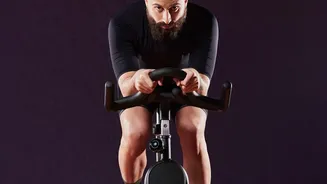
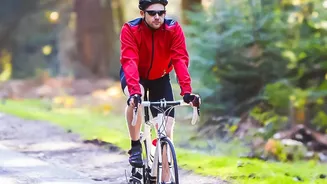
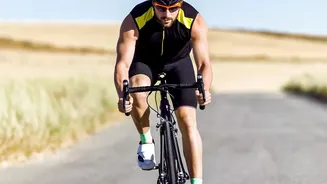
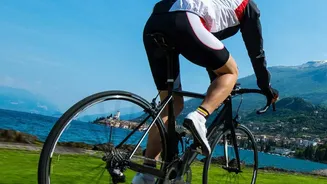
Cycling is renowned for its ability to build serious lower-body strength and cardiovascular endurance. The repetitive motion of pedalling primarily targets the major muscles responsible for power. The quadriceps, located at the front of your thighs, do most of the work when you push down on the pedals. Your hamstrings at the back of the thigh and your glutes are engaged during the upstroke and full rotation, especially when you are clipped into the pedals or climbing hills. This makes cycling an excellent choice for developing raw power and muscle endurance through a consistent, forward-motion workout. It’s a very controlled movement, making it a straightforward way to build strength in these key areas without putting much stress on your joints.
The Dynamic Glide of Skating
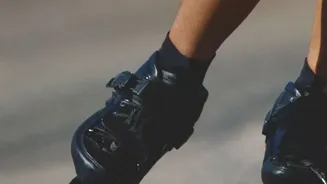
Skating, whether inline or roller, offers a more dynamic, full-body challenge. While it also works the quads and hamstrings, the unique side-to-side pushing motion places a much greater emphasis on different muscle groups. This lateral movement is key for targeting the inner and outer thighs (adductors and abductors) and particularly the gluteus medius, a crucial stabilizing muscle in the hip that isn't as heavily engaged during cycling. Because you're constantly working to maintain balance on a moving platform, skating is also a superior workout for your core muscles, including your lower back and abdominals. This constant need for stability turns your workout into a lesson in coordination and balance.
The Muscle-Group Showdown
When you put them head-to-head, the differences become clear. If your goal is to build powerful quads and hamstrings, cycling offers more direct and sustained resistance, especially if you incorporate hills or increase the gear tension. However, studies have shown that skating is highly effective at developing muscles throughout the entire upper leg, hip, and rear. Skating's unique lateral push-off recruits the gluteus maximus and medius in a way that the straightforward motion of cycling does not, leading to better hip strength and stability. In fact, some research suggests that for anaerobic benefits like muscle development, skating can be more beneficial than cycling because it engages these often-neglected hip and thigh muscles.
Beyond the Legs: Stability and Core
A significant advantage of skating is its builtin demand for balance and core strength. To stay upright and propel yourself forward on skates, your core must remain constantly engaged to stabilize your body. This makes skating a fantastic functional workout that improves your posture and overall stability. While cycling does require some core engagement to maintain proper form, the bike itself provides a great deal of stability. This means your core isn't challenged to the same degree unless you are actively focusing on it or navigating technical terrain. For those looking for a workout that inherently tones the core while working the legs, skating holds a distinct edge.
Impact, Aerobics, and Your Choice
Both activities are considered lowimpact, making them gentler on the joints than running. Cycling is exceptionally lowimpact, while skating carries a slightly higher risk due to the potential for falls. In terms of aerobic benefit, both are excellent for cardiovascular health. Some studies suggest skating may provide a better aerobic workout than cycling because it's harder to coast, forcing more continuous effort. Ultimately, the choice comes down to your fitness goals. For pure leg power and endurance with maximum stability, cycling is an incredible tool. If you want to challenge your balance, engage your core, and work your hip and glute muscles from multiple angles, skating provides a more comprehensive, multidirectional workout.