
The Allure of a Rain-Washed Landscape
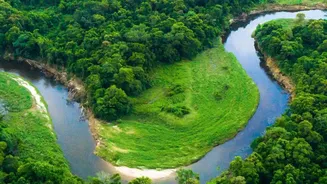
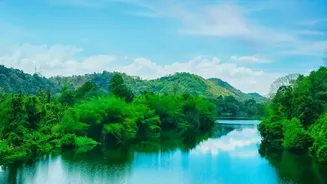
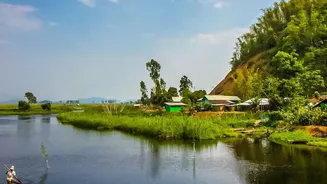
From June to September, Assam undergoes a dramatic transformation. The monsoon breathes new life into the region, washing away the summer dust and unveiling a world of profound greenery. The air fills with the scent of wet earth, tea leaves release a fresh
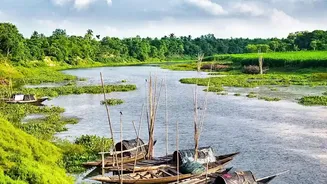
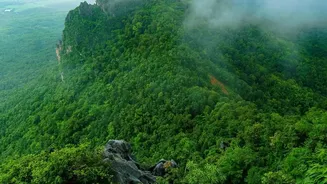
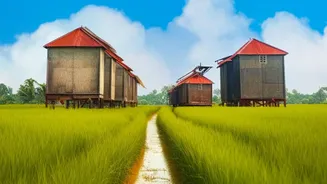
aroma, and the mighty Brahmaputra river swells, reflecting the moody grey skies. For nature lovers, this season offers a sensory feast. It’s a time when the state’s landscapes are at their most vibrant and alive, from the mist-laden hills of Haflong to the glistening paddy fields that stretch to the horizon. This isn’t a trip for those seeking constant sunshine; it’s for travellers who find beauty in the raw, untamed power of nature and the peace that comes with the rhythm of the rain.
Rethinking Your Wildlife Itinerary
It’s important to set the right expectations for wildlife viewing. Assam’s most famous resident, the one-horned rhinoceros, is primarily seen in Kaziranga National Park, which closes during the monsoon due to flooding. Manas National Park, another UNESCO World Heritage site, also largely suspends its core safari operations. However, this doesn’t mean wildlife is completely off the table. Pobitora Wildlife Sanctuary, which boasts a high density of rhinos, often remains partially accessible and offers a fantastic alternative. Furthermore, Dibru-Saikhowa National Park, a unique biosphere reserve, is a haven for boat safaris during the monsoon, providing opportunities to see birdlife and perhaps even river dolphins in its thriving wetlands.
The Romance of Rainy Tea Gardens
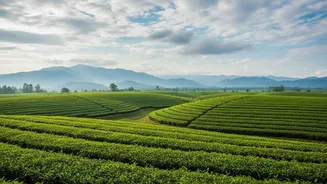
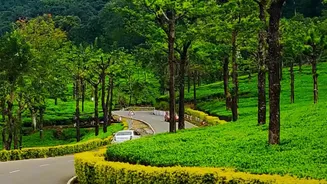
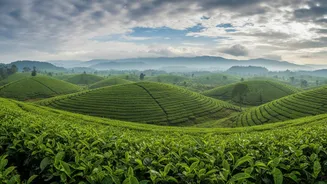
There is arguably no better time to experience Assam’s iconic tea estates than during the monsoon. The gardens, drenched in rain, radiate a brilliant, almost surreal green. A stay at a heritage tea bungalow becomes an experience in itself, where you can sip freshly brewed Assam tea while watching the rain fall over endless rows of tea bushes. Towns like Jorhat and Dibrugarh, the heart of Assam’s tea country, offer tranquil retreats. The cool weather, combined with fewer tourists, allows for a more intimate and peaceful appreciation of the intricate process of tea cultivation and the serene lifestyle that surrounds it.
Waterfalls in Full Splendour
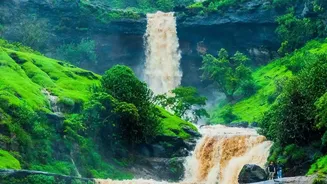
The monsoon feeds the state’s many waterfalls, transforming gentle trickles into powerful, roaring cascades. For those willing to venture out, this season offers spectacular sights. In the Dima Hasao district, Haflong, Assam's only hill station, is surrounded by misty hills and waterfalls that seem to appear overnight. Nearby, the dramatic Panimur Waterfalls become a thundering spectacle. In neighbouring Meghalaya, a popular side trip from Assam, world-famous waterfalls like Nohkalikai and Seven Sisters Falls are at their most majestic, drawing visitors who want to witness nature at its most powerful and dramatic.
Cultural Immersion and Historical Moods
The rain adds a unique atmosphere to Assam’s cultural and historical sites. Sivasagar, the former capital of the Ahom kingdom, feels especially evocative, with its ancient temples and grand tanks reflecting the overcast sky. On Majuli, the world's largest river island, life slows to an even gentler pace. While ferry services can be unpredictable due to the swollen Brahmaputra, visiting its Vaishnavite monasteries (Satras) during this time is a deeply peaceful experience. Even the gateway city of Guwahati takes on a different charm; a visit to the Kamakhya Temple on a rainy day or a quiet stroll along the riverfront offers a more contemplative urban experience.
A Traveller’s Guide to the Green Season
Travelling in Assam during the monsoon requires some planning. Flooding can cause road closures and travel delays, so a flexible itinerary is key. Pack waterproof clothing, sturdy footwear, and insect repellent. While you’ll miss out on some conventional safari experiences, the trade-off is fewer crowds, lower prices, and the chance to see Assam in its most lush and vibrant state. It’s an off-season journey that rewards the prepared traveller with solitude, stunning green vistas, and a deeper connection to the land.