







The Ingredient in Your Feed
If you follow any beauty influencers or read skincare blogs, you’ve likely seen it everywhere. Niacinamide, also known as vitamin B3, isn't technically new—it’s been a quiet workhorse in dermatology for years. So what's behind its sudden explosion in popularity?
It’s a combination of smart marketing, accessible science, and a growing consumer desire for products that do more with less. Niacinamide is a water-soluble vitamin that works with the natural substances in your skin. Unlike more aggressive ingredients that require careful introduction, niacinamide is famously agreeable, playing well with most other skincare actives like retinol, vitamin C, and hyaluronic acid. This compatibility makes it an easy and effective addition to almost any existing routine, which is a major reason for its current star status.
The Ultimate Skin Multitasker
The true magic of niacinamide—and the reason it’s changing habits—is its incredible versatility. For years, skincare routines have been built on layering multiple single-issue serums: one for oil control, another for dark spots, and a third for redness. Niacinamide tackles all of these concerns, and more, in a single step. Scientific studies have shown it can visibly minimise the appearance of enlarged pores by reinforcing pore lining, and improve uneven skin tone by slowing the transfer of melanin to your skin’s surface. It also regulates sebum (oil) production, making it a hero for those with oily and combination skin. On top of that, it strengthens the skin’s natural barrier, helping it retain moisture and defending against environmental damage. This ability to be a 'Swiss Army knife' for your skin allows users to streamline their cupboards, replacing three or four bottles with just one.
How to Add It to Your Routine
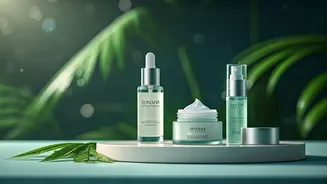
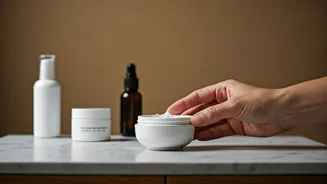
Incorporating niacinamide is refreshingly simple. It most commonly comes in the form of a water-based serum, which should be applied to clean skin after toning but before heavier creams and oils. This allows the ingredient to penetrate the skin effectively without being blocked. For most people, a concentration between 5% and 10% is the sweet spot. While some brands offer higher percentages (up to 20%), these can sometimes cause irritation for sensitive skin types and may not offer significantly better results. Look for a lightweight serum that absorbs quickly. You can use it in both your morning and evening routines. In the morning, it acts as an antioxidant sidekick to your sunscreen, helping to fend off free radical damage. In the evening, it works to repair and restore your skin barrier as you sleep.
Finding the Right Product
One of the most appealing aspects of the niacinamide boom is its accessibility. You don’t need to spend a fortune to get its benefits. Effective formulations are available at every price point, from budget-friendly brands to luxury cosmeceutical lines. When choosing a product, look at the full ingredient list. Many niacinamide serums are paired with other beneficial ingredients like hyaluronic acid for extra hydration or zinc for its anti-inflammatory and oil-regulating properties. A niacinamide and zinc combination is particularly popular for acne-prone skin. As with any new product, it’s wise to patch-test first. Apply a small amount to a discreet area, like behind your ear or on your inner wrist, and wait 24 hours to see if any irritation occurs.
Patience Is a Virtue
While niacinamide is effective, it’s not an overnight miracle. Skincare is a long game, and consistency is key. You may start to notice improvements in oiliness and skin texture within a couple of weeks, but more significant changes, like the fading of hyperpigmentation, can take eight to twelve weeks of consistent use. Don't be discouraged if you don't see dramatic results immediately. The ingredient works by improving your skin’s overall health and resilience over time. Some people experience mild flushing or redness when first using niacinamide, especially at higher concentrations. This is often temporary, but if it persists, consider switching to a product with a lower percentage or applying it less frequently until your skin adapts.