



Jamun (Indian Blackberry)
The deep purple Jamun is arguably the star fruit of the Indian monsoon. Available for a short window, this fruit is a powerhouse of nutrients like iron, potassium, folate, and vitamins. Its abundance of Vitamin C and antioxidants helps the body fight
off common seasonal infections like coughs and colds. Traditionally, Jamun is also valued for its properties that aid digestion and have been associated with blood sugar management. Its natural astringent qualities can help soothe the stomach, making it a perfect snack for the season.
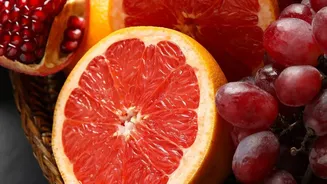
Pomegranate (Anar)
With its thick, protective skin, the pomegranate is one of the safer and most recommended fruits for the rainy season. The ruby-red arils are packed with powerful antioxidants and a significant amount of Vitamin C, which strengthens the immune system against bacterial and viral infections. Pomegranates are also known to support heart health and improve hemoglobin levels, fighting the fatigue and lethargy that can be common on damp, overcast days. It's a versatile fruit you can enjoy as a snack, in juices, or sprinkled over salads.
Litchi
The fragrant and juicy litchi is another monsoon favourite, especially in the eastern states. It is an excellent source of Vitamin C, which is crucial for building resistance against common monsoon ailments like colds and flu. Litchis also offer a good dose of hydration and contain antioxidants that help reduce inflammation. The fibre in litchis can also aid with common digestive issues like acidity. It's important to consume them fully ripe and in moderation.
Pears (Nashpati)
Often overlooked, the humble pear is an excellent choice for the monsoon. It's considered gentle on the digestive system, which tends to be more sensitive during this season. Pears are high in fibre, which promotes gut health and regularity. They are also a good source of the immunity-boosting Vitamin C. Since much of the fibre is in the skin, it's best to wash them thoroughly and consume them whole.
Peaches and Plums (Aadu and Aloo Bukhara)
Peaches and plums are other seasonal delights that ripen during the rains. Both fruits are good sources of vitamins A and C, potassium, and fibre. Plums, in particular, are known for their high antioxidant content and natural laxative properties, which can help combat the digestive sluggishness that sometimes accompanies humid weather. When buying peaches, be sure to wash their fuzzy skin thoroughly to remove any residue.
Cherries
Available in abundance during the monsoon, cherries are low in calories but rich in antioxidants that help combat inflammation and prevent infections. These vibrant red fruits are a good source of essential nutrients that support overall health during a season when the body is more vulnerable. Their sweet and slightly tart flavour makes them a delicious snack on their own or a great addition to yoghurts and desserts.
A Note on Fruit Safety
While enjoying seasonal produce is beneficial, the monsoon's high humidity creates ideal conditions for microbial growth. It's crucial to wash all fruits thoroughly under running water before consumption. Avoid pre-cut fruits sold by street vendors, as they carry a much higher risk of contamination. Fruits with high water content, like watermelon, are more prone to spoilage and are often best avoided or consumed with extreme care, ensuring they are fresh and cut at home.