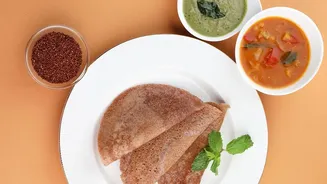



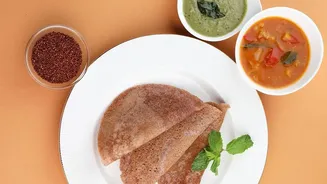


At first glance, it seems like a modern health-food creation. But the Rajgira Paneer Dosa is a masterclass in culinary synergy, blending ancient grains with fresh protein. This isn't just a random pairing; it's a thoughtful combination.
The Foundation: Rajgira's Ancient Power
The base of this
unique dosa is rajgira, also known as amaranth flour. For centuries, rajgira has been a staple in Indian households, especially during fasting (vrat) periods like Navratri. This is because it is not a true cereal grain but a 'pseudocereal', making it an acceptable food when grains like wheat and rice are avoided. Nutritionally, rajgira is a powerhouse. It's naturally gluten-free, making it an excellent choice for those with gluten sensitivity. It boasts a high protein content for a plant source and contains all nine essential amino acids, including lysine, which is often lacking in other grains. This makes it a 'complete' protein. Furthermore, it is rich in minerals like iron, calcium, and magnesium, and its high fibre content aids digestion and promotes a feeling of fullness.
The Filling: Paneer's Protein Punch
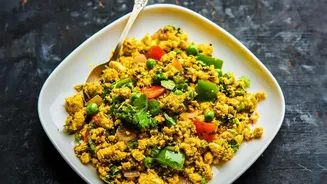
The perfect partner to the earthy rajgira base is a soft, spiced paneer filling. Paneer, or Indian cottage cheese, is a fresh, unaged cheese that provides a substantial amount of high-quality protein. A 100-gram serving can offer around 18-20 grams of protein, crucial for muscle repair and satiety. This makes the dosa incredibly filling and helps maintain energy levels, which is particularly important during fasts. Paneer is also a significant source of calcium, which is vital for bone health. Its creamy texture and mild taste make it an ideal canvas for spices, allowing it to absorb flavours of ginger, green chillies, and coriander, creating a delicious contrast to the dosa's crisp exterior. Since it is made by curdling milk, it has a lower lactose content than whole milk, making it easier for many people to digest.
A Perfect Culinary and Nutritional Marriage
The combination of rajgira flour and paneer is not just about tradition; it's a lesson in food pairing. The slightly sweet, nutty, and earthy flavour of rajgira flour complements the rich, creamy taste of the paneer filling perfectly. From a nutritional standpoint, they create a balanced meal. The rajgira offers complex carbohydrates for sustained energy, along with fibre and minerals. The paneer delivers a strong dose of protein and healthy fats, ensuring you feel full and satisfied for longer. Together, they provide a complete protein profile, combining the amino acids from both the grain and the dairy. This makes the Rajgira Paneer Dosa a wholesome meal that can stand on its own, offering balanced macronutrients in a single dish.
The Dosa's Advantage
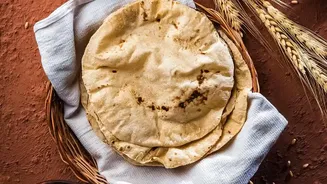
While this combination is also found in parathas, the dosa format offers a unique appeal. A dosa is a thin, crisp crepe, which provides a lighter texture compared to a denser, pan fried paratha. This crispness creates a delightful textural contrast with the soft, crumbly paneer filling. Making a dosa from rajgira flour can be tricky because it lacks gluten, the protein that gives wheat dough its elasticity. Often, boiled and mashed potatoes are mixed into the batter to help bind it. The resulting dosa is flavourful, savoury, and an innovative way to enjoy the benefits of both rajgira and paneer, whether you are fasting or simply looking for a healthy and delicious meal.