









The Promise of a Seamless Journey
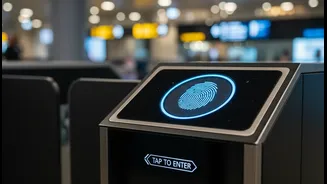
Digital travel initiatives like India's DigiYatra are transforming the airport experience. The pitch is compelling: enrol once, and your face becomes your boarding pass, allowing you to glide through checkpoints in seconds. This system, now active in dozens
of Indian airports, aims to make travel paperless and hassle-free. By leveraging biometric technology, it promises to cut down queues and enhance security, processing passengers in a fraction of the time it used to take. For the millions of passengers who have already opted in, the appeal is undeniable. But this convenience comes with a data footprint, and the ease of the journey itself should be matched by the ease of managing the data that powers it.
The First Hurdle: Enrolment
Your relationship with a digital travel system begins with enrolment. This process often involves downloading an app, verifying your identity with a government-issued document like Aadhaar, and taking a live selfie to create a biometric template. While proponents describe this as a simple, one-time setup, the reality can be more complex. Users are asked to consent to the collection and use of highly sensitive personal data. However, for consent to be meaningful, it must be fully informed and unambiguous. The crucial first step isn't just about getting passengers signed up; it's about clearly communicating what data is being collected, why it's needed, and how it will be protected. A complicated or opaque enrolment process creates confusion and erodes trust from the very beginning.
Understanding How Your Data Is Used
Once enrolled, how is a passenger's data actually used? According to the DigiYatra Foundation, the system is designed with privacy in mind. Your biometric data is stored encrypted on your own phone, not in a central government database. When you travel, a temporary, single-use token is shared with the airport, which is then purged from airport servers within 24 hours of your flight's departure. This decentralised model is a significant step forward. However, concerns remain about transparency and oversight. A parliamentary committee has flagged the lack of a comprehensive independent audit of the system, creating a gap in verifying these privacy claims. Passengers need simple, real-time ways to see exactly when and where their data has been used, ensuring the system operates exactly as promised.
The Right to Disappear: Simple Deletion
Perhaps the most fundamental control a user can have is the right to delete their data, also known as the 'right to be forgotten'. This principle, central to global privacy laws like GDPR, states that users should be able to easily and permanently remove their information from a service. For digital travel systems, this means a simple, one-click process within the app to delete one's account and all associated data. While DigiYatra's policy states that users can opt-out and have their data wiped, the process must be foolproof and transparent. Users shouldn't have to navigate complex menus or wonder if their data is truly gone. The ability to leave a service should be as easy as it was to join. Without a simple and absolute right to deletion, passenger consent is not truly voluntary.
Why Simplicity Builds Enduring Trust
The long-term success of any passenger-facing technology does not depend on its technical sophistication, but on the trust it builds with its users. Complicated privacy policies and confusing controls create suspicion, harming adoption rates. While DigiYatra is voluntary, reports have emerged of passengers feeling pressured to sign up at airports, undermining the principle of explicit consent. To counter this, the system's operators must prioritise clarity. Simple controls for enrolment, use, and deletion are not just user-friendly features; they are essential tools for accountability. They empower passengers, giving them genuine ownership over their digital identity. Ultimately, the most trusted systems are the ones that give users the most control in the simplest way possible.