




Bengaluru: India's Dark Store Capital
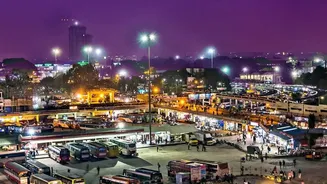
Bengaluru has become the undisputed epicentre of India's quick-commerce, or q-commerce, revolution. As of mid-2026, the city is home to over 629 dark stores, more than any other major Indian metro, including Delhi and Mumbai. These facilities, run by
giants like Blinkit, Zepto, Swiggy Instamart, and others, represent over 11% of the national total. This isn't just a business trend; it's a fundamental shift in the city's commercial infrastructure. The reason for this concentration goes beyond Bengaluru's reputation as a tech hub with high disposable income. The city's notorious traffic congestion makes a 10-minute delivery promise incredibly appealing to time-poor professionals, creating a fertile ground for a model built on hyperlocal speed. Companies are in a fierce race for market share, planting their flags—in the form of these micro-warehouses—in every dense, high-demand neighbourhood.
What Exactly is a 'Dark Store'?
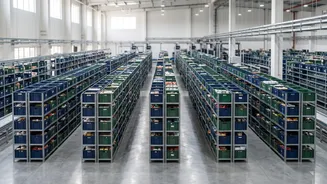
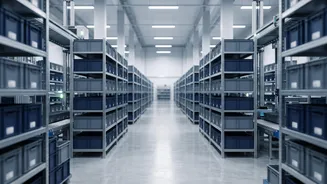
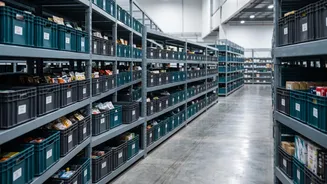
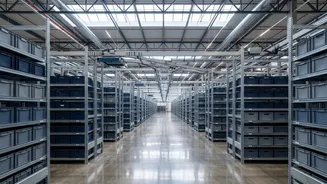
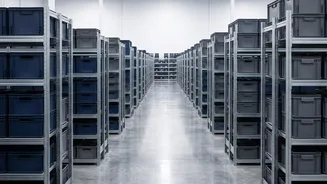
Despite the name, there is nothing sinister about a dark store. It's simply a retail space that is closed to the public. Think of it as a small, highly organised warehouse, typically between 2,000 and 5,000 square feet, tucked away in a dense urban neighbourhood. Inside, shelves are stocked not for browsing but for speed. The layout is meticulously optimised for one purpose: allowing an employee (a 'picker') to find, pack, and hand off an order for delivery in under two minutes. These stores are the engine of quick commerce, using data to predict local demand—stocking more breakfast items on a Saturday morning or more energy drinks near a college during exams—to ensure they can fulfill their promise of near-instant delivery. Their location is their biggest asset, drastically cutting down the last-mile delivery journey.
The Job Creation Engine
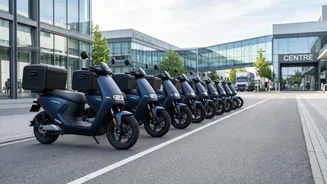
The most significant positive impact of this expansion is employment. Each dark store requires a team of pickers, packers, quality checkers, and store managers, in addition to a fleet of delivery partners. Across Bengaluru's network, this translates to an estimated 6,300 to 12,600 direct dark store jobs. Job portals show a constant demand for these roles, with entry-level salaries for packers and helpers starting around ₹13,000-₹14,000 per month and manager-level roles reaching up to ₹100,000. This creates a vital source of employment, particularly for gig workers seeking flexible hours. The industry's high attrition rates mean there is a constant need for new hires, making it a powerful, if churning, engine for job creation in the city's blue-collar labour market.
Growing Pains for the Urban Landscape
However, this rapid, often unregulated, growth comes with significant challenges. The proliferation of dark stores is putting immense pressure on Bengaluru's real estate market. Warehouse leasing in the city surged by 78% in the first half of 2026, with rentals and land prices steadily climbing. This 'revitalisation' of underused commercial properties also creates new pressures. The constant buzz of delivery bikes adds to traffic and noise pollution in residential areas. Furthermore, the convenience of q-commerce poses a direct threat to traditional kirana stores, which have long been the backbone of neighbourhood retail. Reports indicate a significant number of these small shops have struggled to compete, as urban shoppers shift a portion of their spending to delivery apps. Zoning restrictions and urban planning policies have yet to catch up with this new form of commerce, leaving many questions about its long-term integration into the city fabric.
The Road Ahead: Profitability and Sustainability
The future of the quick-commerce model is not guaranteed. While companies have attracted billions in investment, the path to profitability is narrow. High operational costs, from urban real estate rentals to maintaining a large delivery fleet, are significant hurdles. The model works on thin margins, small basket sizes, and a high frequency of orders, making operational efficiency paramount. We are already seeing the first signs of consolidation, with some companies starting to shut down stores in areas where too many services overlap, suggesting the era of pure expansion is giving way to a focus on sustainable economics. For Bengaluru, the challenge will be to balance the undeniable convenience and employment benefits of this new industry with the need for thoughtful urban planning that preserves the character and liveability of its neighbourhoods.