


Periyar National Park, Kerala
While many parks shut down for the rains, Periyar in the heart of the Western Ghats remains open year-round, and the monsoon is arguably its most beautiful season. The park, wrapped around the serene Periyar Lake, becomes a vision in emerald. The best
way to experience it is via a boat safari on the lake. As you glide across the water, you’ll see the forest at its most lush. This is when herds of elephants, a prime attraction here, are often seen bathing and playing by the water’s edge. The air is thick with the scent of wet earth and the chorus of insects and birds. Besides elephants, you have a good chance of spotting sambar deer, gaur (Indian bison), wild boar, and the Malabar giant squirrel. It’s less about chasing predators and more about soaking in the vibrant, living ecosystem of a rainforest reborn.
Tadoba-Andhari Tiger Reserve, Maharashtra
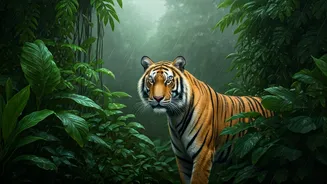
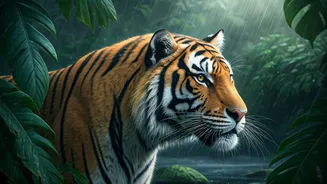
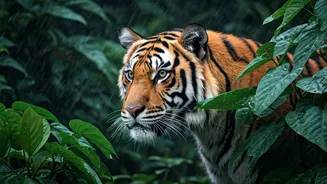
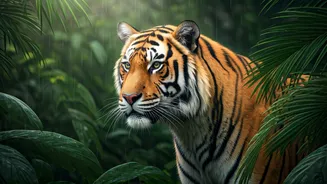
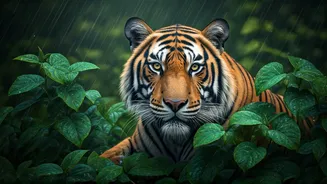
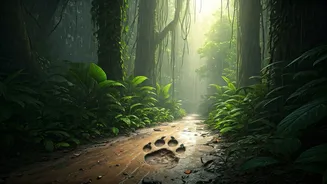
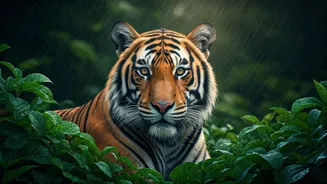
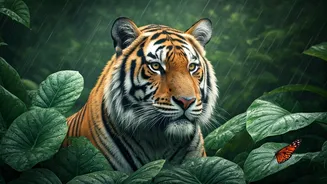
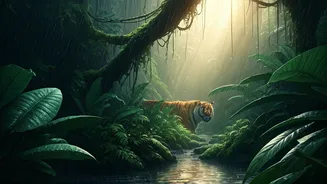
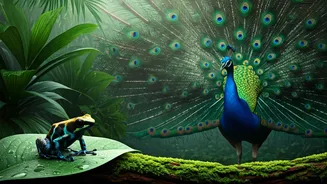
Known for its high density of tigers, Tadoba is a favourite among wildlife enthusiasts. While the core areas of the reserve close during the monsoon, the buffer zones remain open for safaris, offering a completely different experience. The forest, usually painted in shades of brown and yellow, becomes a dense, almost impenetrable wall of green. Tracking a tiger in this landscape is more challenging, which makes a sighting all the more rewarding. The big cats are often found resting near water bodies or walking along the safari tracks to avoid the wet undergrowth. The monsoon is also a fantastic time to appreciate the smaller wonders of the jungle—colourful frogs, snakes, and a dazzling variety of insects. The dramatic, overcast skies and the thriving vegetation make for stunning photography.
Keoladeo National Park, Rajasthan
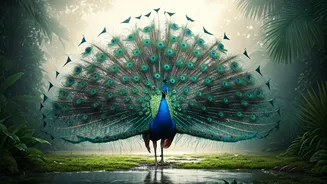
Forget tigers and think feathers. The monsoon is the absolute best time to visit Keoladeo National Park (formerly Bharatpur Bird Sanctuary), a UNESCO World Heritage Site. The rains replenish the park's shallow wetlands, turning the dry landscape into a thriving aquatic haven. This triggers the breeding season for hundreds of species of resident birds. The cacophony is incredible as painted storks, open-billed storks, egrets, cormorants, and herons build their nests and raise their young in massive colonies. You can explore the park on a cycle rickshaw, with knowledgeable guides pointing out the frenetic activity in the treetops. It’s a celebration of new life, a noisy, chaotic, and utterly mesmerising spectacle that every nature lover should witness at least once.
Jim Corbett National Park, Uttarakhand
India’s oldest national park doesn’t completely shut its gates in the monsoon. The Jhirna and Dhela zones of Corbett typically remain open to visitors, providing a glimpse into the Himalayan foothills during the rains. The landscape undergoes a dramatic transformation; the riverbeds swell, the forests become verdant, and the air is crisp and clean. With fewer tourists, the experience is more intimate and peaceful. Elephant sightings are common as they enjoy the lush vegetation. You can also spot various species of deer, wild boar, and a rich array of birdlife. The drive through the revitalised forest, with the clouds hanging low over the hills, is an experience in itself. It’s a chance to see a familiar favourite in a brand new, rain-washed avatar.
Ranthambore National Park, Rajasthan
Similar to other tiger reserves, the core zones of Ranthambore close for the monsoon. However, the adventure doesn't stop, as buffer zones (typically Zones 6 to 10) remain accessible. This is a fantastic opportunity to see Ranthambore’s dramatic landscape of ancient forts, lakes, and rugged terrain without the crowds and scorching heat of the peak season. The forest turns a brilliant green, contrasting beautifully with the historic ruins scattered throughout. The chances of spotting a tiger are still decent, but the real joy is the overall atmosphere. You might see a leopard resting on a rocky outcrop, a sloth bear ambling through the foliage, or crocodiles basking by the rain-fed lakes. It’s a quieter, more atmospheric safari that reveals a softer side of this legendary tiger land.