



The Moon: A Gateway to Deep Space
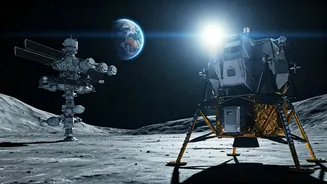
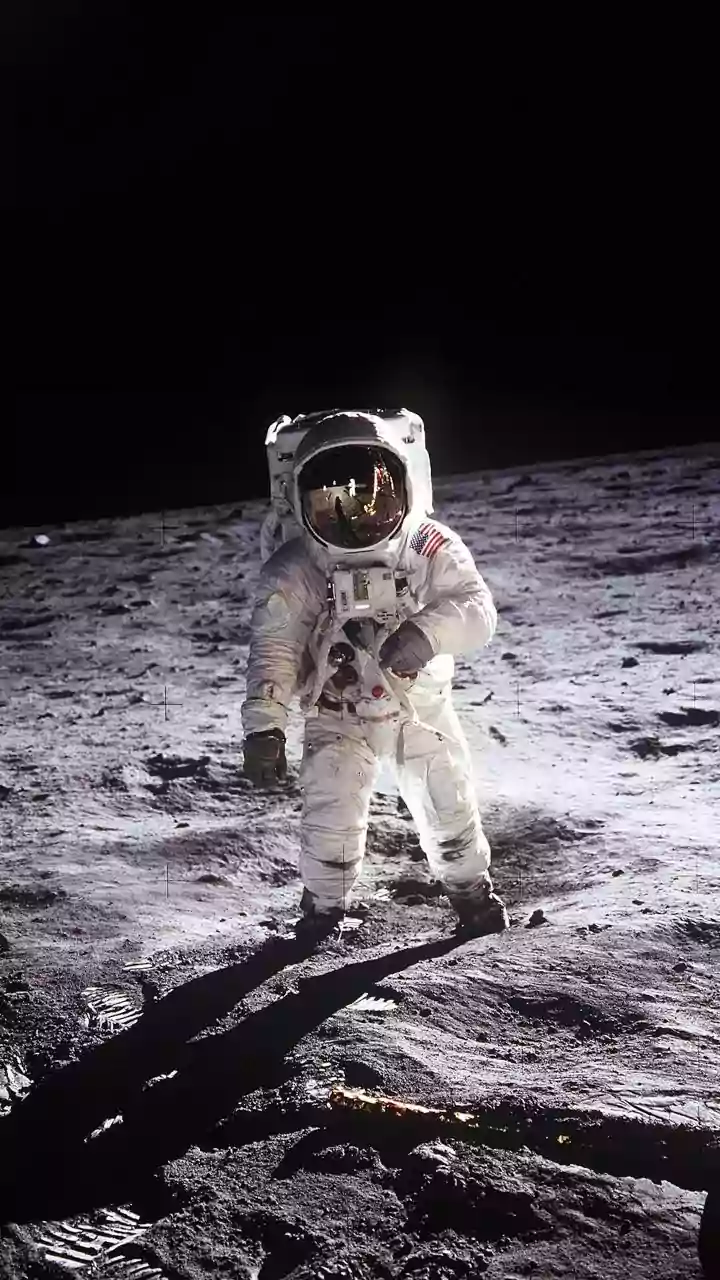
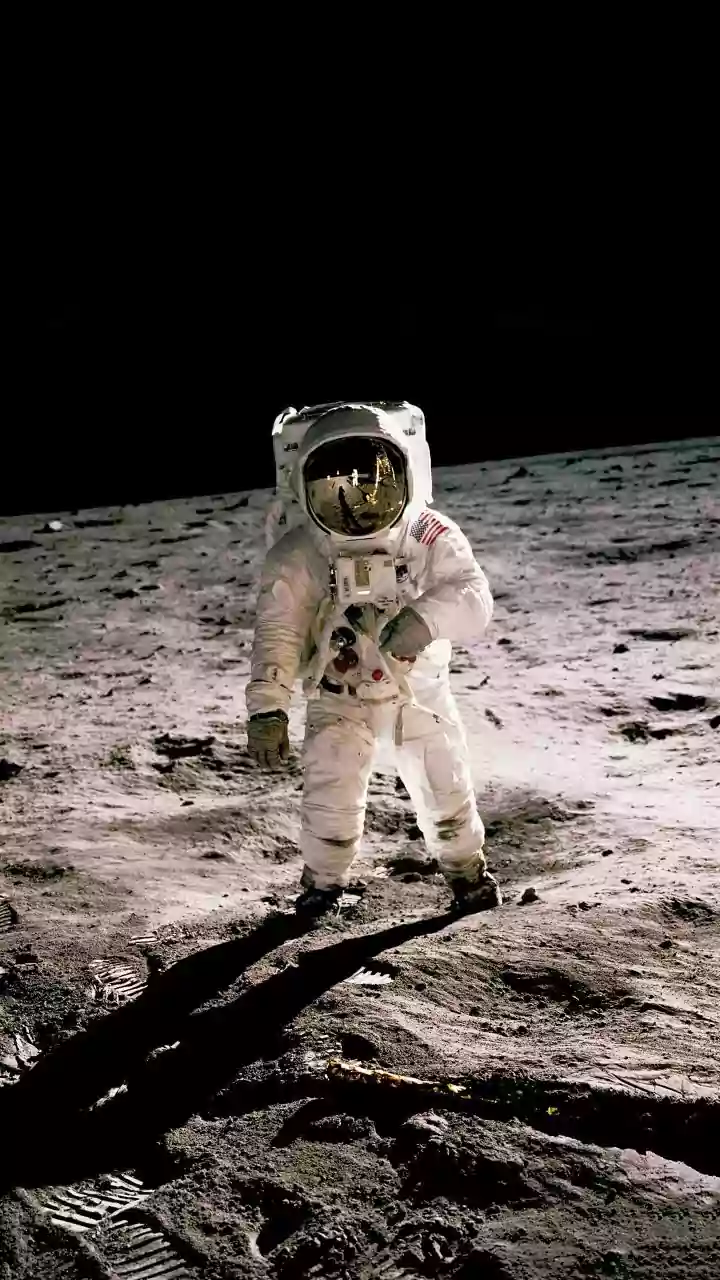
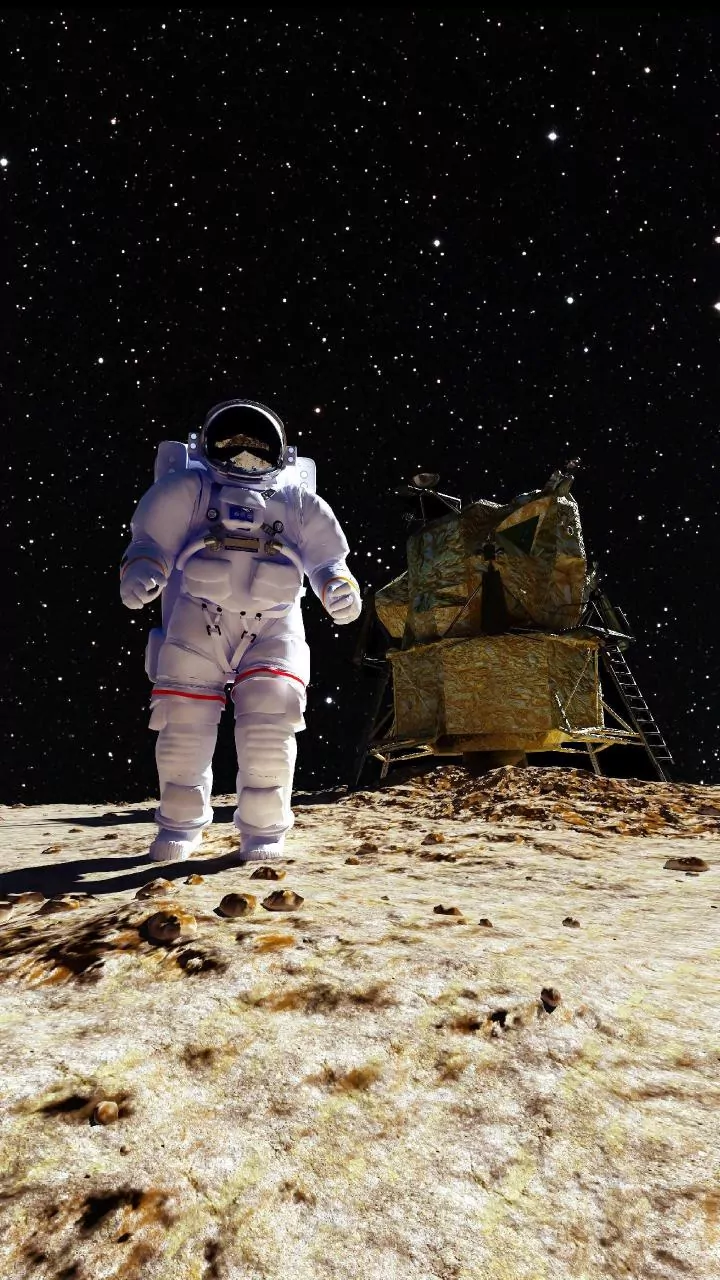
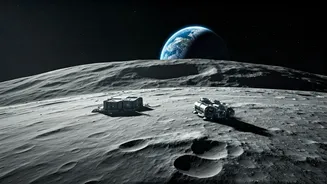
A return to the Moon is the undisputed first chapter in humanity's next great space odyssey. Programs like NASA's Artemis are not just about repeating the feats of the Apollo era. [8, 15] Instead, they aim to establish a sustainable human presence on the lunar
surface, complete with a supporting orbital station known as the Gateway. [15, 29] The primary goal is to learn how to live and work on another world, using the Moon as a testbed for the technologies needed for far longer missions. [15, 29] Key to this strategy is the potential to mine lunar resources, particularly water ice discovered near the south pole. [15, 29] This ice could be converted into drinking water, breathable oxygen, and, crucially, rocket fuel, transforming the Moon from a desolate rock into a cosmic refuelling station for missions to Mars and beyond. [3, 15]
Mars: The Red Planet Beckons
Mars remains the ultimate prize in the medium-term future of human exploration. [14, 20] Both the United States and China have set their sights on sending astronauts to the Red Planet. [7, 20, 23] NASA sees its lunar Artemis program as the direct preparatory phase for an eventual crewed mission to Mars, possibly by the late 2030s. [10, 14, 15] The engineering challenges are immense, as a trip to Mars is months long with no quick way home, requiring new solutions for life support, radiation protection, and landing heavy payloads through its thin atmosphere. [22, 32] China is also aggressively pursuing a crewed landing by 2030 and has already successfully landed its Zhurong rover on the surface, making it only the second nation to do so. [7, 22] This ambition is part of a broader, rapid expansion of China's space capabilities, which includes its own fully operational space station, Tiangong. [7, 11]
India's Interplanetary Ambitions
Following the historic success of Chandrayaan-3's lunar south pole landing and the Mangalyaan Mars orbiter, the Indian Space Research Organisation (ISRO) is confidently charting its own interplanetary course. [2, 18, 36] A key upcoming mission is the Venus Orbiter Mission, unofficially named Shukrayaan, which aims to study the Venusian atmosphere and is currently planned for a 2028 launch. [9, 36] ISRO is also developing a successor to its first Mars mission, Mangalyaan-2, which will be a more complex endeavour featuring a lander and potentially a rover, marking India's first attempt to soft-land on another planet. [2, 5, 28] These missions are cornerstones of India's long-term "Space Vision 2047," which includes developing a domestic space station (Bharatiya Antariksh Station) and landing an Indian astronaut on the Moon by 2040. [21]
Competition, Collaboration, and Cosmic Rules
This new era of deep space exploration is defined by a complex mix of national rivalry and international partnership. The geopolitical tensions of Earth are extending into orbit and beyond. [3, 13] Two major blocs have formed around lunar exploration, which serve as a proxy for future deep space governance. The U.S.-led Artemis Accords establish a set of principles for peaceful and transparent cooperation, and have been signed by dozens of nations. [4, 24, 34] In parallel, China and Russia are leading the International Lunar Research Station (ILRS) project, a competing vision for a future moon base with its own set of partners. [4, 12, 24] While the 1967 Outer Space Treaty forbids any nation from claiming sovereignty over celestial bodies, the first to establish infrastructure and operational norms at key locations could set powerful precedents for how humanity explores and uses resources in space. [24]