



First, Understand Your Shade
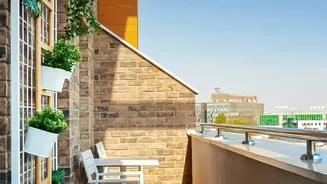
Before buying any plants, observe your balcony. 'Low light' can mean different things. If you can comfortably read a book during the day without artificial light, you likely have 'bright shade', which supports a wide variety of plants. If the space is
only bright for a couple of hours, that's 'partial shade'. If it's gloomy for most of the day, blocked by other buildings, you have 'deep shade'. Understanding this will be the single most important step in choosing plants that will thrive, not just survive. Place plants needing more light closer to the railing, and those that tolerate deeper shade nearer the back wall.
Choose the Right Foliage Plants
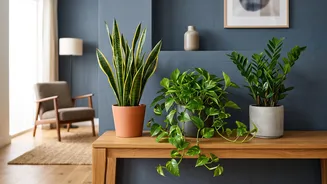
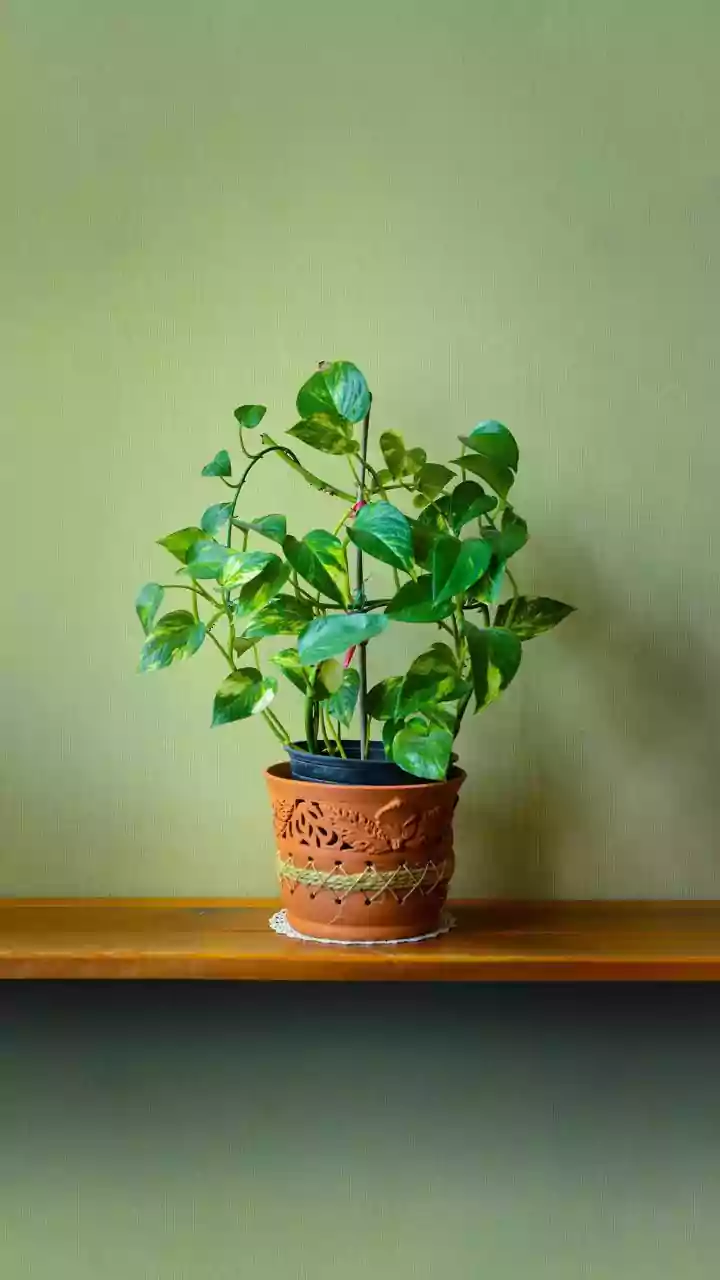
Plants grown for their leaves are often the most dependable choices for a shady spot. Snake Plants (Sansevieria) and ZZ Plants (Zamioculcas zamiifolia) are champions of low light, tolerating even the darker corners of a balcony. They grow slowly but remain strong and sculptural. Pothos and Philodendrons are excellent for hanging baskets or trailing down shelves, making a space feel lush without taking up floor area. Ferns are another classic choice, as many naturally grow in the filtered light of a forest floor, and they can soften the hard corners of a balcony. For bright shade, Peace Lilies and Spider Plants are also great options.
Yes, You Can Have Flowers
While a shady balcony won't be ideal for sun-lovers like marigolds or roses, you still have options for colour. Begonias are considered one of the best choices for shaded containers, offering vibrant blooms all summer. Impatiens, also known as Busy Lizzies, are also excellent for brightening up deeply shaded areas with a wide range of colours. Fuchsias, with their unique, dangling flowers, and some varieties of Hydrangea can also perform well in pots on a balcony that is protected from harsh afternoon sun.
Growing Edibles in the Shade
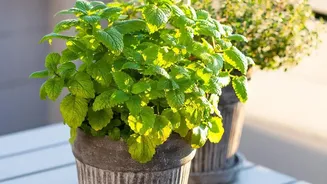
Fruiting vegetables like tomatoes and chillies need a lot of sun, but you can still grow your own food. Leafy greens are your best bet. Varieties of lettuce, spinach, and rocket can do well with just a few hours of gentle sun or bright, indirect light. Many herbs are also surprisingly adaptable. Mint is famously vigorous and will grow almost anywhere. Parsley, chives, and coriander can also be successful in a partially shaded spot.
Smart Watering and Potting
Overwatering is the most common mistake in a low-light garden. Without direct sun to help evaporation, soil stays damp for longer. Instead of watering on a strict schedule, always check the soil first. Push your finger two to three centimetres into the pot; if it feels damp, wait another day or two before watering. Ensure every pot has drainage holes. A light, well-draining potting mix is also crucial to prevent roots from sitting in water, which can lead to rot.
Little Tricks to Boost Light
You can make the most of the light you have. Using light-coloured walls or even strategically placed mirrors can help bounce available daylight back onto your plants. Keeping railings and glass clean also helps maximize light penetration. Another simple trick is to arrange your plants thoughtfully; place shorter plants in front of taller ones so they don't block the limited light from each other. Finally, rotating your pots every week or so will encourage even growth and prevent plants from leaning too much in one direction.