




From Monuments to Moments
For decades, international travel for many Indians meant a whirlwind tour of famous sights—a photo with the Eiffel Tower, a visit to a Swiss peak, a walk through Times Square. The goal was to cover as much ground as possible. Today, that mindset is shifting
dramatically. Travellers, particularly younger demographics like millennials and Gen Z, are moving away from passive sightseeing towards active participation. The new travel goal isn't just to see a place, but to feel it. This has fuelled a boom in what the industry calls 'experiential travel', where the primary motivation is the experience itself, not just the destination. According to a 2026 Airbnb report, many Gen Z travellers now plan holidays backwards, starting with an event like a concert or festival and choosing the destination second. This represents a fundamental change from valuing possessions to valuing memories and personal growth.
The Rise of the 'Experience Economy'
Several factors are driving this change, but economic growth is a major one. With rising disposable incomes, especially in Tier 2 and Tier 3 cities, more Indians have the financial freedom to travel internationally. However, they aren't just spending more; they're spending differently. Reports show a clear preference for investing in experiences over material goods, with one survey revealing that 81% of young Indians would choose luxury travel over a lavish wedding. This new form of 'luxury' is less about five-star hotels and more about unique, exclusive, and personalized experiences. Attending a world-renowned festival like Brazil's Rio Carnival, Spain's La Tomatina, or Germany's Oktoberfest offers a level of excitement and cultural immersion that a standard city tour cannot match. This desire for 'experiential wealth' and story-rich memories is reshaping the travel market.
The Social Media Influence
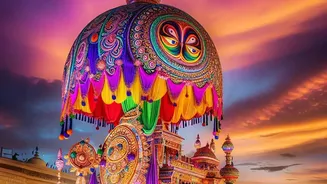
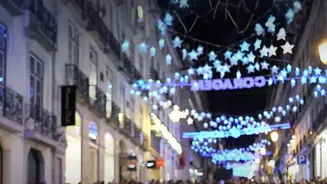
It's impossible to discuss modern travel trends without mentioning social media. Platforms like Instagram and YouTube have become the new guidebooks for an entire generation. A single viral reel can turn a little-known festival into a must-visit destination. The visual and participatory nature of events like Thailand's Songkran water festival or Taiwan's Lantern Festival makes them incredibly 'Instagrammable'. This creates a powerful cycle of inspiration and aspiration, where seeing friends or influencers participate in these vibrant events online fuels a desire to experience them firsthand. Studies show that a vast majority of Indian travellers use platforms like YouTube for travel inspiration. The goal is no longer just to have a story to tell, but to have compelling visual content to share, turning travel into a form of social currency.
A Search for Authentic Connection
Beyond the thrill and the social media buzz, there's a deeper motivation at play: a genuine desire for authentic cultural connection. Many modern travellers feel that traditional tourism offers a sanitised, surface-level view of a country. Festivals, on the other hand, provide a window into the soul of a place. Participating in a local celebration, whether it's the Gion Matsuri in Kyoto or the Day of the Dead in Mexico, allows travellers to engage with traditions, interact with locals, and understand a culture from the inside. This quest for authenticity aligns with a broader trend towards mindful travel, where tourists seek to have a positive impact and form meaningful connections. Reports indicate that a staggering 95% of Indian travellers are seeking authentic local experiences and cultural exchanges on their trips. Planning a journey around a festival is the perfect way to ensure that connection happens.