





The Carry-On Challenge
With airline baggage fees on the rise and the convenience of travelling light becoming ever more appealing, mastering the art of carry-on packing is no longer just for minimalists. It’s a practical skill for any modern traveller. The goal is to fit everything
you need without facing last-minute gate-check fees or the dreaded struggle to close an overstuffed bag. This is where packing efficiency tools become invaluable. While standard packing cubes help with organisation, compression cubes take it a step further by actively creating more space. They are a game-changer for anyone looking to maximise their luggage capacity without sacrificing their wardrobe choices.
How Compression Cubes Work
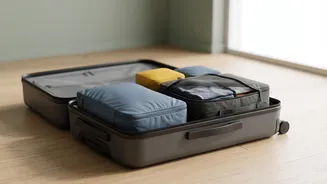
At first glance, a compression cube looks just like a regular packing cube: a zippered fabric pouch for organising clothes. The magic, however, lies in the second zipper. After you fill the cube and close the main compartment, a second compression zipper runs around the outside. Zipping this compresses the cube, squeezing out excess air from your clothes and reducing the overall volume. It’s not a vacuum seal, but it significantly condenses soft and bulky items. This dual-zipper system turns a puffy pile of sweaters or a stack of T-shirts into a dense, manageable block that fits neatly into your suitcase.
The Rolling vs. Folding Debate
How you place clothes into the cube is key to its effectiveness. The age-old packing debate of rolling versus folding finds a clear winner here. For most items, rolling is the superior method before placing them in a compression cube. Tightly rolled garments prevent sharp creases and, more importantly, eliminate the flat air pockets that folding can create. By rolling each item, you create dense cylinders that can be packed tightly together inside the cube. This allows the compression zipper to work more effectively, squeezing out the air trapped within the fabric itself. The result is a more significant reduction in volume compared to packing folded clothes. However, for structured items like blazers or certain dress shirts, a neat fold may still be preferable to avoid unwanted creasing.
A Step-by-Step Packing Strategy
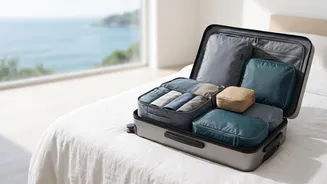
To get the most out of your cubes, follow a simple process. First, sort your clothes by category: tops in one cube, bottoms in another, and smaller items like underwear and socks in a third. Tightly roll each piece of clothing. Arrange the rolled items inside the cube, fitting them together like a puzzle to minimise gaps. Be careful not to overfill the main compartment; if you have to strain to close the first zipper, the compression zipper won't work and may even break. Once the main compartment is comfortably full and zipped, close the second compression zipper. A pro tip is to guide the fabric with your finger as you zip to prevent it from snagging.
More Than Just Saving Space
The primary benefit is space, but the advantages don't stop there. Compression cubes are fantastic organisational tools. Instead of digging through a messy suitcase, you can simply pull out the cube you need. This makes unpacking at your destination a breeze—just transfer the cubes directly into the hotel drawers. They also help keep clothes neat and reduce wrinkles by holding garments snugly in place. Furthermore, they can be used to quarantine dirty laundry, with many cubes offering water-resistant linings that contain odours and moisture. This system not only streamlines packing but also makes living out of a suitcase far more organised and less chaotic.
Mistakes to Avoid
While effective, compression cubes can be used incorrectly. The most common mistake is overfilling them. A cube that is strained to its limit becomes a hard, inflexible brick that creates awkward empty spaces in your bag. Another error is trying to compress non-compressible items like stiff denim or rigid jackets; these are better packed flat. It’s also important to remember that compression cubes reduce bulk, not weight. Your bag will be just as heavy, so keep an eye on airline weight restrictions. Finally, always close the main compartment zipper before attempting to use the compression zipper.