



The Foundation: Water Ratio is Everything
The most powerful tool for changing your khichdi’s texture is the amount of water you use. The ratio of water to your combined rice and dal is the primary determinant of the final consistency. A standard starting point for a soft, but not soupy, khichdi is often
a 1:3 ratio, meaning one part rice and dal mixture to three parts water. For a drier, more pulao-like texture, you might use a 1:2.5 ratio. For a very soft, porridge-like consistency, a 1:4 or even 1:5 ratio is common. Keep in mind that khichdi thickens as it cools, so if you want it to remain loose, make it slightly runnier than your desired final texture. You can always add more hot water at the end to thin it out if it becomes too thick.
For a Softer, Creamier Khichdi
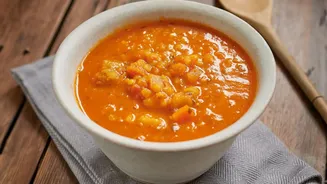
If your goal is a velvety, melt-in-your-mouth 'dheeli khichdi', there are several levers to pull. First, increase your water ratio significantly—think 4 or 5 cups of water for every combined cup of rice and dal. The choice of rice is also crucial. Short-grain, starchy rice varieties like Sona Masoori, Ambe Mor, or even broken basmati rice release more starch as they cook, contributing to a creamier, softer result. The type of dal matters, too. Moong dal (split and skinned mung beans) is the most common choice as it cooks quickly and breaks down easily, creating a smooth consistency. Masoor dal (red lentils) also works well. Finally, don't be afraid to stir. While excessive stirring can be a mistake for drier khichdi, for a creamy version, stirring and lightly mashing the grains against the side of the pot towards the end of cooking helps break them down and release starch.
For a Drier, Fluffier Khichdi
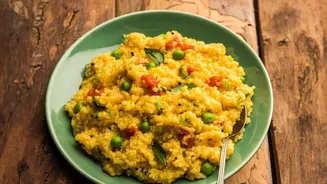
To achieve a 'khili-khili' khichdi, where each grain of rice and dal remains distinct, precision is key. Start by reducing your water ratio to about 2.5 cups for every combined cup of rice and dal. The best rice for this style is long-grain basmati, which is known for its ability to cook up fluffy with separate grains. To further prevent stickiness, it's important to wash the rice and dal thoroughly to remove excess surface starch. Soaking the grains for about 20-30 minutes helps them cook evenly without needing excess water, which prevents them from turning mushy. Unlike when making soft khichdi, you should avoid stirring too frequently, as this can break the rice grains and make the dish sticky. Using dals that hold their shape better, like whole moong or toor dal, can also contribute to a firmer texture.
Other Factors That Influence Texture
Beyond water and grain selection, other elements play a subtle but important role. The cooking method is one. A pressure cooker or Instant Pot traps steam, meaning you might need slightly less water than when cooking in an open or loosely covered pot on the stovetop, where more water evaporates. Roasting the dal in a little ghee before adding water can impart a nutty flavour and can also affect how it breaks down. Finally, don't underestimate the power of ghee. While primarily used for flavour, adding a generous spoonful of ghee not only enriches the dish but can also help keep grains separate in a drier khichdi and adds to the velvety mouthfeel of a softer version.