








The Monsoon Reality Check
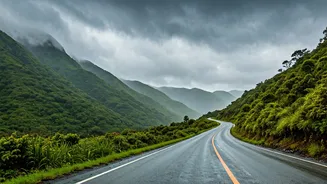
As June comes to a close, the southwest monsoon is active across large parts of the country. While some northern regions are still waiting for relief, heavy to very heavy rainfall is lashing the western coast, northeast, and parts of central and southern
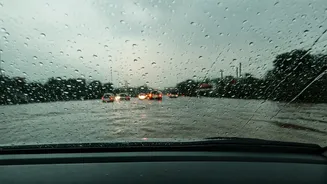
India. According to the India Meteorological Department (IMD), this pattern of intense rainfall is expected to continue, bringing with it the usual challenges: waterlogged streets, traffic snarls, and reduced visibility. Simply hoping for the best is no longer a viable strategy. An unprepared commute plan is a plan to fail. It’s time to shift from a 'lazy' routine to a smart, proactive approach to navigating the season safely.
Before You Leave Home
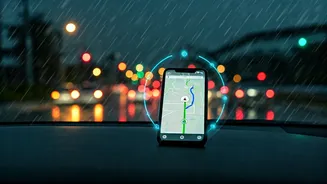
A smooth monsoon journey begins before you even step out the door. First, become a weather-watcher. Check reliable sources like the IMD's website or trusted weather apps for real-time rainfall and traffic updates for your route. This simple habit can help you decide whether to leave earlier, take an alternate route, or even work from home if possible. Next, assemble a personal monsoon kit. This should include a sturdy umbrella, a lightweight raincoat, and waterproof footwear. It’s also wise to keep a small towel, a fully charged power bank, and important documents in a waterproof pouch. Having these essentials on hand can make a huge difference if you get caught in a downpour or stranded in traffic.
Navigating by Car
For car owners, the monsoon demands both vehicle preparedness and defensive driving. Before the season gets into full swing, ensure your vehicle is ready. Check that your tyres have adequate tread depth, your brakes are in top condition, and your wiper blades are new enough to clear the windshield without streaking. Functioning headlights, tail-lamps, and fog lights are non-negotiable for visibility. When on the road, the golden rule is to slow down and increase the distance from the vehicle in front of you, as braking distances are longer on wet roads. Avoid driving through waterlogged areas. If you're unsure of the depth, it’s safer to find another route. If you must pass through a puddle, do so slowly and steadily in a low gear. Afterwards, tap your brakes lightly a few times to dry them out and restore their effectiveness.
For the Two-Wheeler Warriors
Commuting on a motorcycle or scooter during the monsoon is a true test of skill and preparation. Your safety is paramount, so never ride without a full-face helmet and proper protective gear. Invest in good quality waterproof riding gear, including a jacket, pants, and boots, to stay dry and comfortable. Your bike needs attention too. Regularly check the tyre pressure and condition, as worn tyres are a major skidding hazard on slippery roads. Keep moving parts like the chain well-lubricated to prevent rust. On the road, be extra cautious. Painted lines and manhole covers become extremely slippery when wet. Be especially considerate to pedestrians and be aware that larger vehicles have massive blind spots in the rain. Finally, avoid parking under trees or near electrical poles, which can be hazardous during storms.
Mastering Public Transport
Using public transport can help you avoid the stress of driving, but it comes with its own set of monsoon challenges. Expect delays and larger crowds. Plan to leave earlier than usual, and use live tracking apps for buses and trains to monitor schedules and avoid long waits at exposed stops. Boarding at stations just before or after the main hubs can sometimes help you find a less crowded space. Keeping your electronics, wallet, and important papers in a waterproof bag or pouch is essential to protect them from the rain and humidity. Wear footwear with a good grip, as station floors and vehicle steps can become very slippery. And of course, always have your umbrella or raincoat ready for the walk to and from the station or bus stop.