





Which Brands Can I Find?
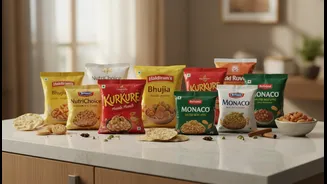
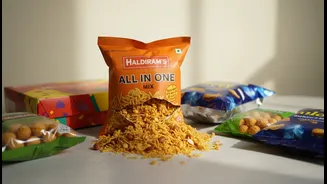
The names will be familiar to anyone acquainted with Indian snacks. Powerhouse brands like Haldiram's, Bikaji, MTR Foods, and Bikano have established a significant presence in international markets. You can find their products in countries like the USA,
UK, Canada, Australia, and the Middle East. Alongside these giants, other popular brands such as Balaji Wafers and Deep Foods are also making their way onto global shelves. This expansion means a wide variety of namkeens, sweets, and ready-to-eat meals are more accessible than ever, moving from specialty stores to mainstream supermarket aisles.
Where Should I Look for Them?
A decade ago, you might have needed a dedicated trip to a specialty Indian grocery store like Patel Brothers to find your favorite bhujia. While these stores remain vital hubs, they are no longer the only option. Major international retailers, including Walmart, Costco, and Trader Joe's in the US, now stock Indian snacks. This move into mainstream grocery is a deliberate strategy by brands to reach a broader audience beyond the Indian diaspora. Online marketplaces and dedicated delivery services have also made it incredibly easy to get your snack fix with just a few clicks.
Is the Taste the Same as in India?
This is the million-rupee question. The short answer is: not always. While brands strive for authenticity, they often engage in 'local adaptation'. This can mean reducing spice levels to appeal to a wider range of palates in Western markets or altering recipes to comply with local food regulations regarding ingredients and additives. Some companies even set up local manufacturing facilities, like Haldiram's in the UK and Bikaji in the US, which can lead to subtle differences in taste and texture compared to the products manufactured in India. While the core flavour profile is usually preserved, don't be surprised if that packet of masala chips has a slightly different kick.
What About Ingredients and Food Safety?
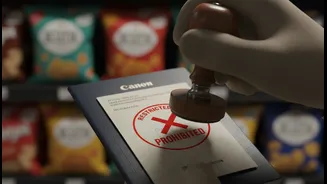
This is a critical area for both consumers and exporters. Products sold in countries like the United States or in the European Union must meet stringent food safety standards, including regulations set by the FDA and its counterparts. These bodies check for things like pesticide residues, unapproved additives, and microbiological contamination. While major brands invest heavily in compliance, there have been instances of shipments being rejected. In response to global trends, many companies are also innovating with 'cleaner' product lines. This includes offering baked instead of fried options, using healthier oils, reducing sodium, and introducing snacks made from alternative grains like millets to cater to health-conscious consumers.
Why Are These Snacks Suddenly Everywhere?
The boom is driven by a perfect storm of factors. First, a large and growing Indian diaspora creates a strong, consistent demand for the tastes of home. Second, there is a growing curiosity and appetite for ethnic and spice-forward flavors among mainstream international consumers. Indian food companies are capitalizing on this, seeing international expansion as a major growth opportunity, especially as the domestic market becomes more saturated. They are no longer just exporting; they are building a global presence, one crunchy, savory, and satisfying snack at a time.