

The Problem with 'Perfect Timing'
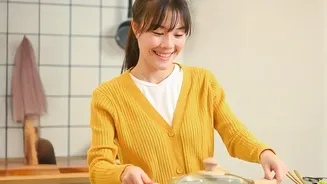
Many of us build menus that create a culinary traffic jam. The main dish needs searing just as the side dish requires a final stir, and the salad wilts if dressed too soon. This approach turns hosting into a stressful, sweat-inducing performance where
the host is too busy to connect with their guests. The goal of a gathering is connection, but it's hard to be present when you’re mentally calculating cooking times for three different pans on the stove. This model of entertaining sets the host up for failure, or at the very least, exhaustion.
Adopt a Make-Ahead Philosophy
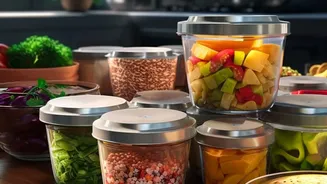
The solution is to design a menu where most of the work is done long before the doorbell rings. This means embracing dishes that are either served at room temperature, can be gently reheated, or actually improve in flavour after a day or two. This strategy, often called batch cooking, isn't just for weekly meal prep; it's a game-changer for entertaining. It reduces stress, allows for better time management, and shifts the focus from frantic cooking to relaxed hosting. The aim is for the kitchen to be clean and for you to be ready when guests arrive.
Building Your Low-Stress Menu
A balanced, low-stress menu has components that can be prepared at different times. Aim for a mix of dishes: one or two that are made entirely ahead, one that involves minimal day-of effort, and perhaps something you simply buy. For a main course, think of stews, braises, lasagna, or shepherd's pie—dishes that taste even better when reheated. For sides, consider hearty grain salads, roasted vegetables that are delicious at room temperature, or a vibrant bean salad. Even chopping vegetables or making sauces a day in advance can significantly reduce your last-minute workload.
Dishes That Defy the Clock
Your new best friends are dishes that don't need to be served piping hot. Think of a large platter of grilled vegetables with a flavourful vinaigrette, a robust tandoori skewer, or a quiche. Many salads with sturdy greens or grains improve as they marinate. Desserts are particularly well-suited for this approach; cheesecakes, pies, and mousses almost always require chilling and are best made the day before. Even a simple, high-quality dessert bought from a good bakery can save you time and stress, allowing you to focus on the main parts of the meal.
The Real Goal: Enjoying Your Guests
By shifting your menu strategy, you're not just making cooking easier; you're changing the entire dynamic of the event. When you aren't tethered to the stove, you can greet people properly, engage in conversation, and actually participate in the memories being made. Your guests have come to see you, not to watch you cook. Accepting help or delegating a dish can also lighten the load. The most successful gathering isn’t the one with the most technically complex food, but the one where the host is relaxed and present, creating a warm and welcoming atmosphere for everyone.