




What Are the Orionids?
The Orionid meteor shower is an annual event that occurs when Earth passes through the stream of debris left behind by one of history's most famous comets: 1P/Halley, or Halley's Comet. These tiny particles, often no bigger than a grain of sand, burn
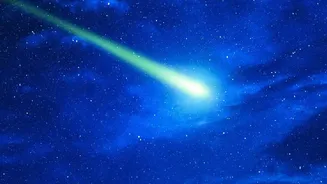
up upon entering our atmosphere, creating the fleeting streaks of light we call meteors or shooting stars. The Orionids are known for being particularly fast, entering the atmosphere at around 66 kilometres per second. This speed can sometimes result in bright meteors that leave persistent, glowing trails in their wake.
Mark Your Calendar: When to Watch in 2026
The Orionid meteor shower is active from early October to early November, but the best time to watch is during its peak. In 2026, the peak occurs on the night of October 21-22. The absolute best viewing window will be in the predawn hours, specifically after the moon sets. On the peak night, a bright waxing gibbous moon will be in the sky, but it is expected to set around 3 a.m. local time. This creates a period of dark, moon-free sky from roughly 3 a.m. until dawn, which is your prime time for meteor spotting.
Finding a Spot in the City's Glow
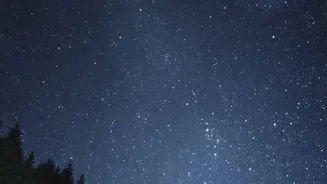
The biggest challenge for most observers is light pollution. While a trip to the countryside is ideal, it’s not always possible. To improve your chances in a city or suburb, find the darkest spot available. This could be a local park, a sports field, or even your own backyard if you can escape the direct glare of streetlights and house lights. Use buildings, trees, or hills to block out the brightest sources of light on the horizon. Even a short drive away from the city centre to a location with a clearer view of the sky can significantly increase the number of meteors you'll see.
Your Eyes Are the Only Gear You Need
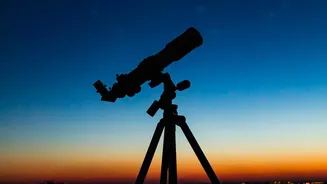
You do not need a telescope or binoculars to watch a meteor shower. In fact, they are a disadvantage. Telescopes have a very narrow field of view, and since meteors can appear anywhere in the vast night sky, you are almost guaranteed to miss them while looking through an eyepiece. Your unaided eyes are the perfect tools for the job. The key is to allow them to fully adapt to the darkness, a process that takes about 20 to 30 minutes. During this time, avoid looking at your phone or any other bright screens, as it will reset your night vision. If you need a light, use a red flashlight, which has less impact on dark adaptation.
Patience, Comfort, and Where to Look
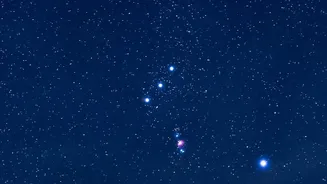
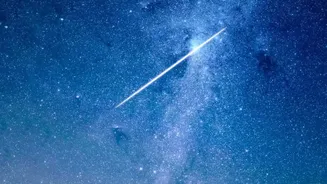
Meteor watching requires patience. The shower is predicted to produce about 15 to 25 meteors per hour under ideal dark-sky conditions, so the rate will be lower from a light-polluted area. Meteors often come in spurts, with several minutes of quiet followed by a sudden streak. Get comfortable to ensure you can wait it out. A reclining lawn chair, a sleeping bag, or a simple blanket on the ground will save your neck from straining. Lie on your back and look straight up, taking in as much of the sky as possible. The meteors will appear to radiate from the constellation Orion, but they can be seen all over the sky. For the best view of long, dramatic streaks, look about 45 degrees away from the radiant point.