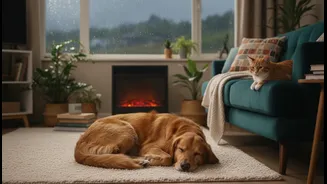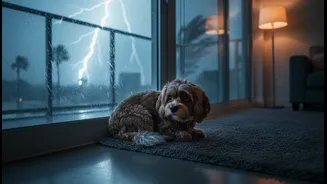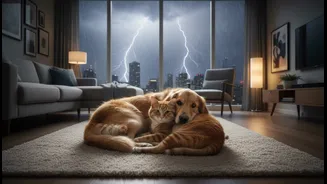



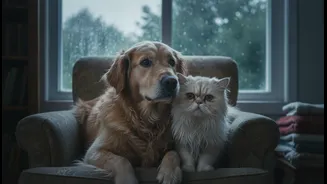
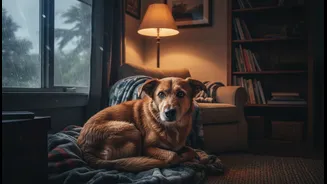
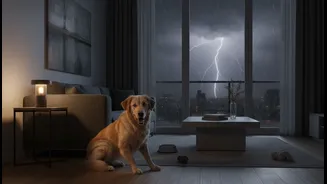


Why Thunder Terrifies Your Pet
For our dogs and cats, a thunderstorm is a sensory assault. Their hearing is far more sensitive than ours, making the rumble of thunder feel overwhelming and threatening. But it's not just the noise. Pets can also be sensitive to changes in barometric
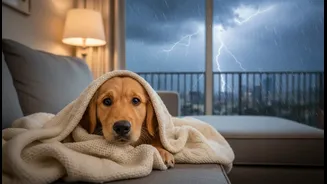
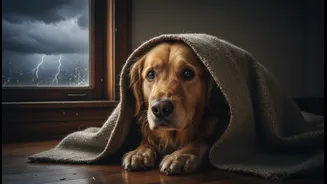
pressure and the build-up of static electricity in the air that precedes a storm. This combination of loud sounds, disorienting flashes of light, and uncomfortable physical sensations can trigger a significant fear response. They don't understand the source of the chaos, and their instinct is to hide or flee from the perceived danger.
Create a Monsoon-Proof Safe Haven
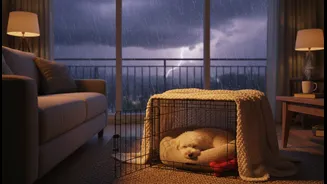
In a compact apartment, creating a designated safe space is crucial. This 'den' should be in a quiet, interior part of the home with few or no windows, like a closet or bathroom. Fill this space with familiar comforts: their favourite soft bedding, a beloved toy, and even an article of your clothing that carries your scent. The goal is to create a predictable, secure retreat that your pet can access anytime they feel anxious, especially if you're not home. Covering a crate with a blanket can also mimic a den, but never force your pet inside, as confinement can increase panic for some.
Mask the Storm with Sound and Sight
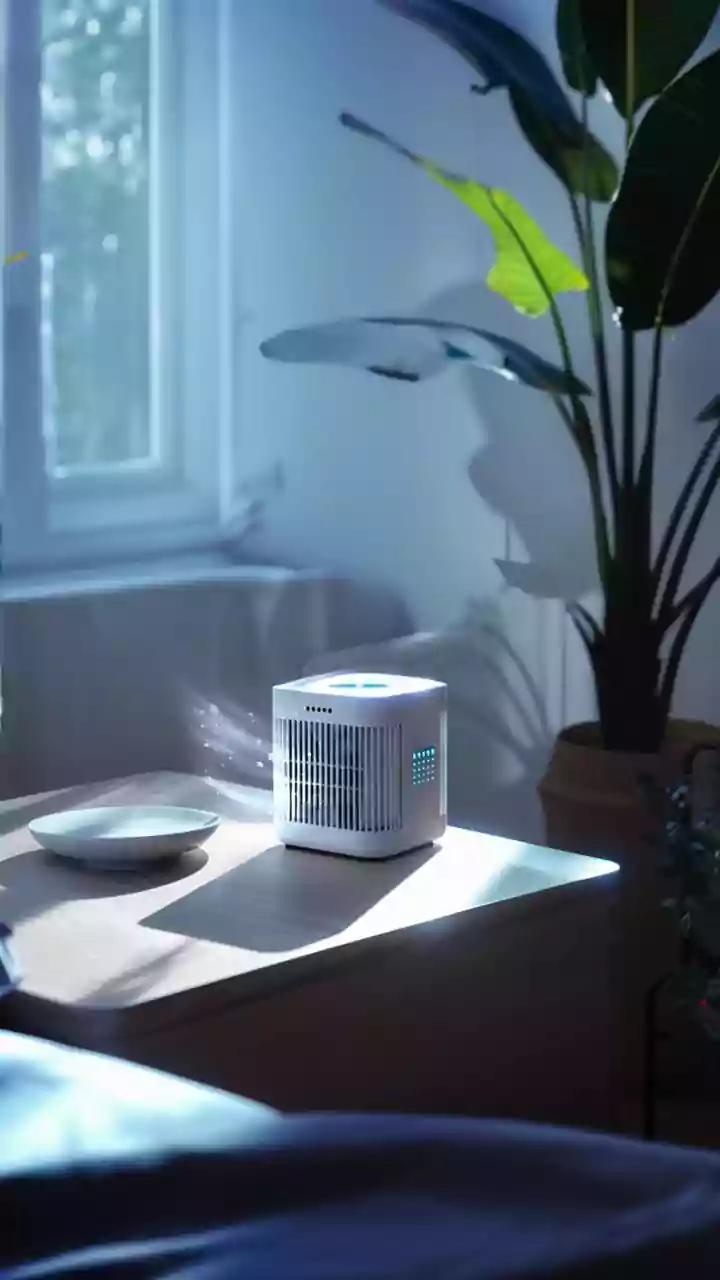
You can help minimise the storm's impact by managing your pet's environment. Close curtains and blinds to block out sudden, startling flashes of lightning. This reduces the visual triggers associated with the storm. To counter the loud claps of thunder, play calming music, turn on the television, or use a white noise machine. This background noise can help muffle the scary sounds from outside, making the storm less intrusive and providing a more consistent and calming auditory environment for your pet.
Your Calm Presence Is a Powerful Tool
Pets are highly attuned to our emotions and often take their cues from us. If you remain calm and composed during a storm, it signals to your pet that there is no real danger. It's a common myth that comforting a scared pet reinforces their fear; in reality, your soothing presence can make them feel more secure. However, avoid excessive coddling or frantic fussing, which can inadvertently signal that there is something to worry about. Act normally, speak in a gentle voice, and if your pet seeks comfort, it is okay to provide it through gentle petting.
Distractions and Calming Aids
Redirecting your pet's focus can be highly effective. Engage them with a high-value chew toy, a food puzzle, or a lick mat to keep their mind occupied. For pets with more significant anxiety, several aids can help. Pressure wraps, like the popular ThunderShirt, apply gentle, constant pressure that has a calming effect, similar to swaddling an infant. Pheromone diffusers or sprays, available for both dogs and cats, mimic natural calming scents and can help reduce stress. Always consult your veterinarian before trying any new supplement or medication to ensure it's safe for your pet.
Long-Term Strategy: Desensitisation
For pets with severe storm phobia, working on the fear when the weather is calm is a proactive approach. This involves a process called desensitisation and counter-conditioning. You can play recordings of thunderstorm sounds at a very low volume while engaging your pet in a positive activity, like playing with a favourite toy or offering special treats. Over many sessions, you gradually increase the volume as long as your pet remains calm and comfortable. This helps to slowly change their association with the noise from something scary to something neutral or even positive. This process takes time and patience, and for severe cases, it's often best to work with a professional animal behaviourist.