






The Rise of the Midnight Meal
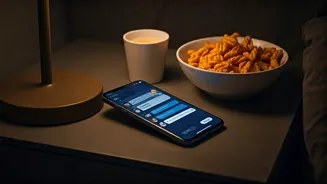
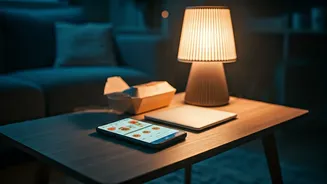
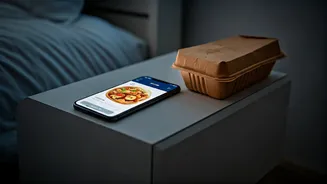
The traditional 9 PM dinner is becoming a thing of the past for a significant slice of urban India. Food delivery platforms have seen late-night orders, typically placed between 11 PM and 3 AM, double over the past year. This isn't just a weekend phenomenon.
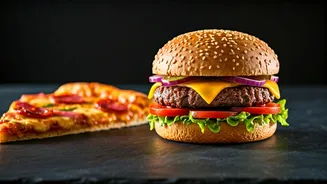
Companies like Swiggy and Zomato consistently report massive volumes of post-midnight orders, transforming late-night delivery from a niche service into a mainstream behaviour. Recent data, boosted by events like the FIFA World Cup, shows a 12-15% surge in this late-night window. The most popular items ordered after dark are comforting and indulgent: pizzas, burgers, and the undisputed king, biryani. Cities like Bengaluru, Hyderabad, and Mumbai lead this trend, but emerging markets like Surat, Patna, and Thiruvananthapuram are quickly catching up.
Why Is Young India Staying Up?
This shift isn’t happening in a vacuum. It’s a direct reflection of changing lifestyles, particularly among young professionals and students. Longer and more flexible work hours, especially in the tech and service industries, have blurred the lines between day and night. The chairman of McDonald's India (North and East) noted that the sleep schedules of young consumers have shifted to 2 AM or even 3 AM. Add to this the rise of binge-watching on streaming platforms and a growing culture of convenience, and you have a perfect recipe for a thriving night-time economy. For many, ordering food late at night has become a form of emotional comfort or stress relief after a demanding day. These apps offer an easy solution, fuelling a cycle where the convenience of getting food delivered makes it easier to keep these late hours.
More Than Just Hunger Pangs
For food delivery platforms, this late-night data is a goldmine. They are evolving from simple delivery services into powerful data-intelligence platforms. By analyzing what you order and when, they can predict demand, optimize delivery routes, and even decide where to place their next cloud kitchen. These insights allow for hyper-personalization. Your app doesn't just know you're awake; it knows you might be stressed and in the mood for a dessert. This data-led approach helps companies position themselves not just as a utility but as an integral part of modern urban culture, using their findings to generate media buzz and maintain relevance. They can scale their operations in real-time, increasing delivery partner incentives and ensuring restaurant availability to meet the spike in demand after midnight.
The Unseen Costs of Convenience
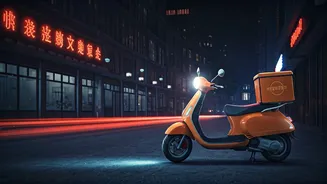
While the convenience is undeniable, this growing trend has clear downsides. Health experts warn that regularly eating high-calorie meals late at night can disrupt the body's natural circadian rhythm, affecting digestion and metabolism. It can lead to poor sleep quality, weight gain, and an increased risk of health issues over time. Beyond personal health, there are logistical challenges. Delivery platforms face hurdles like limited rider availability during odd hours, which can lead to longer delivery times. And then there's the privacy question. While the data helps create a seamless user experience, it also means that some of our most private habits—our sleep schedules, our comfort food cravings—are being tracked and analyzed. This raises important questions about where the line should be drawn between personalized service and digital intrusion.