


The Science of Slow Heat
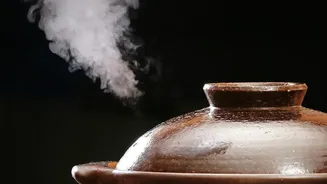
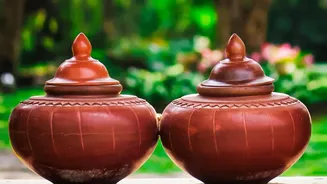
Unlike metal pans that heat up quickly and can create aggressive hot spots, clay is a poor conductor of heat. This might sound like a disadvantage, but it's actually clay's greatest strength. Clay pots heat up slowly and, most importantly, evenly. This gentle,
uniform heat distribution means your food is cooked by a consistent warmth from all sides, not just from the bottom. This process significantly reduces the risk of scorching or burning, allowing complex flavours to develop without the food breaking down aggressively. It’s the perfect environment for slow-cooked dals, tender meat curries, and fragrant biryanis that need time to meld.
A Masterclass in Moisture Control
The secret to a succulent curry or a perfectly moist biryani lies in moisture management, and this is where a clay pot truly excels. Unglazed clay is naturally porous, meaning it's filled with microscopic air pockets. During cooking, these pores absorb steam released by the food. Instead of letting the moisture escape, the pot traps it and then allows it to circulate evenly, continuously basting the food in its own juices. This self-regulating humidity prevents dishes from drying out, resulting in tender, flavourful meals that require less oil or fat to stay moist.
The Far-Infrared Advantage
Here's where it gets really interesting. When heated, clay emits far-infrared heat. This is a gentle, long-wavelength form of heat that penetrates food deeply and cooks it from the inside out. While the aggressive, shorter-wavelength heat from metal pans can damage the delicate cellular structure on the food's surface, far-infrared heat cooks it thoroughly without destroying its integrity. This method is particularly effective at breaking down collagen in tough cuts of meat into gelatin, resulting in that sought-after melt-in-your-mouth texture.
Guarding Precious Micronutrients
Many essential vitamins and minerals in our food are delicate and heat-sensitive. The high, direct heat of conventional cooking can destroy a significant portion of these nutrients. Clay pot cooking, with its low-and-slow approach, is much gentler. The steady, moist heat helps preserve water-soluble nutrients that might otherwise be lost. Furthermore, clay is naturally alkaline. This property can help neutralize the acidity in foods like tomatoes, making dishes easier to digest and balancing their final pH level. The result is a meal that isn't just tastier, but also more nutritious.
Excellent Heat Retention
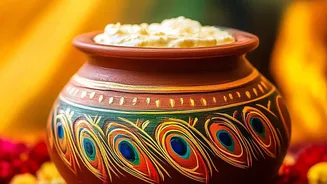
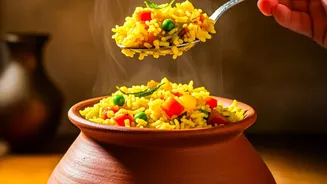
Anyone who has been served dal from a 'handi' knows it stays piping hot long after being brought to the table. Clay has a high thermal mass, meaning it absorbs and stores heat very effectively. While it takes longer to heat up, it also takes much longer to cool down compared to metal. This exceptional heat retention means food continues to cook gently even after it's removed from the stove, and it stays warm for hours without reheating. This not only saves energy but also ensures your second helping is just as warm and inviting as the first.