



First, Banish the Damp
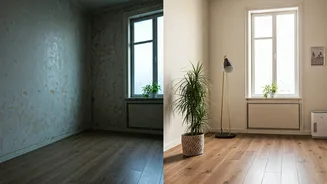
Before you can add glow, you need to deal with the damp. High humidity, especially during monsoon season, is a common issue in Indian homes. It creates a musty smell and can lead to mould, which is bad for both your health and your belongings. The first
and simplest step is to improve air circulation. Open your windows and doors for a few hours each day to let fresh air move through the space. Even leaving interior doors open can help prevent moisture from getting trapped in rooms. Use exhaust fans in kitchens and bathrooms religiously, and let them run for a little while after you've finished cooking or showering to pull excess moisture out of the air.
Use Natural Dehumidifiers
You don’t need an expensive machine to reduce humidity. Simple, natural solutions can be very effective. Bowls of rock salt or charcoal briquettes placed in damp corners, closets, and bathrooms can absorb a surprising amount of moisture from the air. You can also save and reuse the little silica gel packets that come in new shoes and electronics; just place them in drawers and cupboards to protect your clothes and furniture. Wiping down wooden furniture regularly and avoiding drying clothes indoors will also go a long way in preventing a damp-prone environment.
Add Glow with Layered Lighting
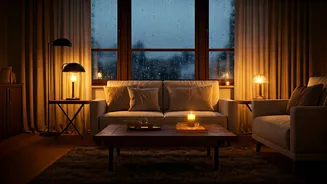
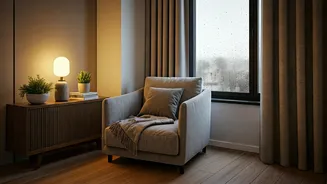
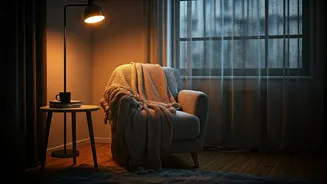
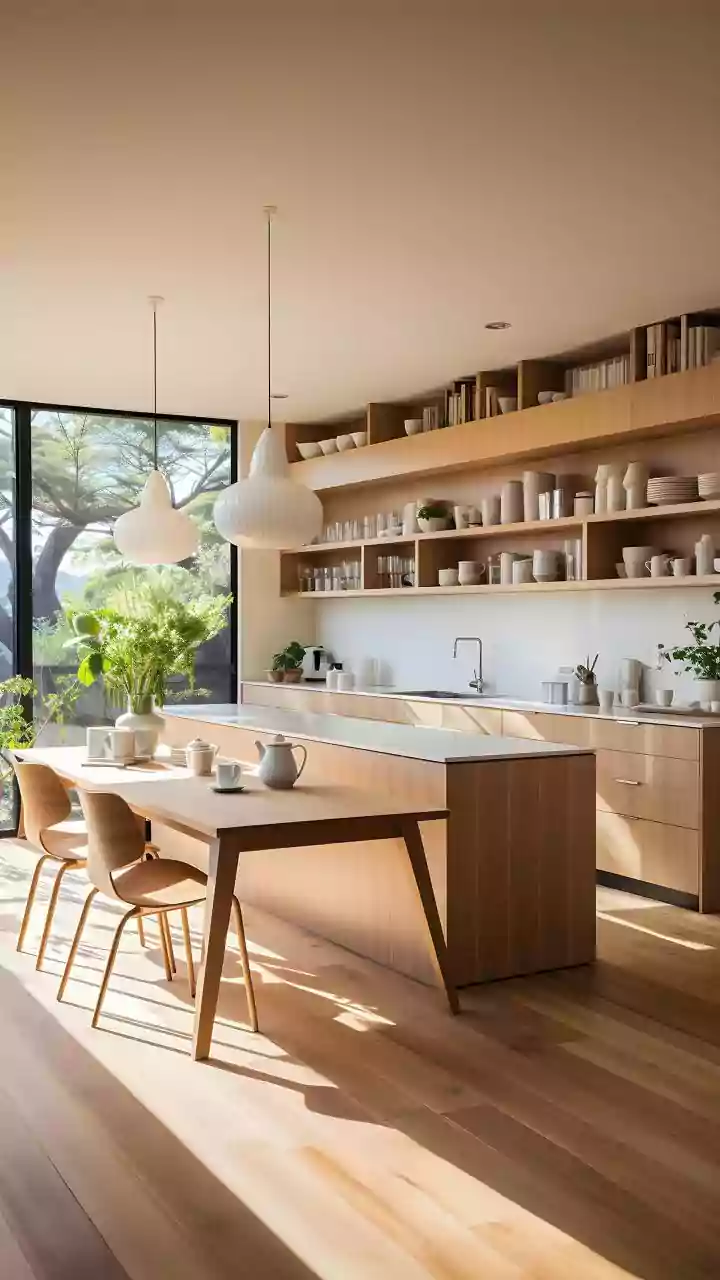
Most rentals are cursed with a single, harsh overhead light. The secret to a warm, inviting space is layered lighting. This means using multiple light sources at different heights to create pools of soft light. Since you probably can't install new fixtures, think portable. A stylish floor lamp in a dark corner, a table lamp on a console, and even a small, rechargeable lamp on a bookshelf can completely change the atmosphere. For kitchens, adhesive LED strips under the cabinets are a renter's best friend, providing excellent task lighting without any drilling. When choosing bulbs, opt for a “warm white” (around 2700K-3000K) to create a cosy, welcoming glow rather than a cool, clinical feel.
Harness the Magic of Mirrors
It’s the oldest trick in the book for a reason: mirrors make a small space feel bigger and brighter. By reflecting light, they create an illusion of depth and openness. The most effective placement is directly opposite a window, where a mirror can capture and bounce natural light around the room. If you don't have a window, placing a mirror next to a lamp achieves a similar effect. You don't need to hang them, either. A large, full-length mirror casually leaned against a wall can make a room feel taller and more relaxed. A collection of smaller mirrors can also serve as a stylish focal point on an empty wall.
Choose Colours & Textures Wisely
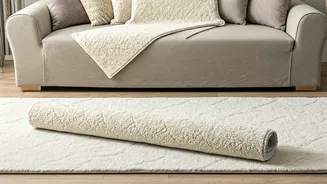
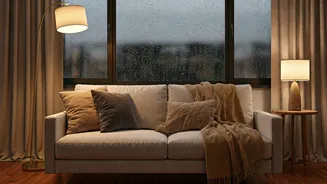
Even if you can't paint the walls, you can control the colour palette through textiles and decor. To make a dark room feel brighter, avoid pure white, which can look grey in low light. Instead, opt for warm neutrals like cream, beige, or soft sand in your curtains, rugs, and bedding. These colours have a natural warmth that glows even without direct sun. Incorporating reflective surfaces beyond mirrors also helps. A glass coffee table, a metallic tray, or shiny decor accents can catch and scatter light, adding a subtle sparkle and a sense of airiness to the room.
Bring the Outdoors In
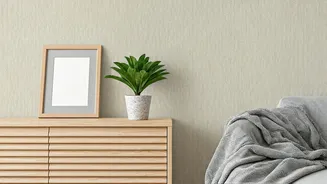
Plants not only add a touch of life and colour but can also help manage the environment inside your home. Some plants, like snake plants, ZZ plants, and peace lilies, are known for their air-purifying qualities and ability to tolerate low light, making them perfect for dim apartments. The Snake Plant is particularly great as it releases oxygen at night and is incredibly low-maintenance. Areca Palms act as natural humidifiers, which can be beneficial in dry indoor air, while other plants like peace lilies can help absorb moisture from the air. Just be careful not to overwater them, as this can contribute to the very humidity you're trying to reduce.