





What is Biophilic Design?
At its heart, this trend is called 'biophilic design', and it’s simpler than it sounds. The term 'biophilia', popularised by biologist E.O. Wilson, refers to our innate, biological need to connect with nature. Biophilic design is the practice of applying
this idea to our living and working spaces. It’s about creating environments where we feel a constant, soothing connection to the natural world. It goes beyond just aesthetics; it's a wellness strategy for the modern age. Think of it as the antidote to concrete jungles and endless screen time, a way to build a personal sanctuary that nurtures your mind and body.
More Than Just a Potted Plant
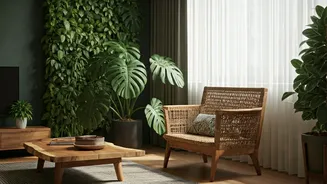
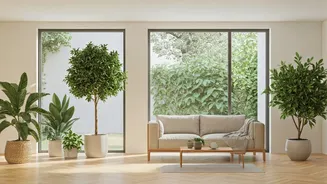
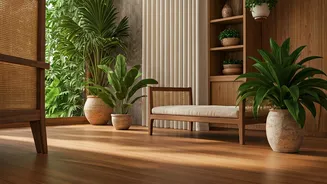
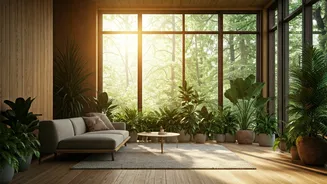
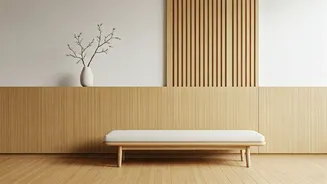
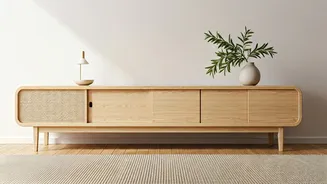
While adding a few houseplants is a great start, true biophilic design is more holistic. It involves incorporating nature both directly and indirectly. Direct connection means things you can see, touch, and feel: plants, water features, natural light, and fresh air. Think of a sunny corner filled with greenery, the gentle sound of a tabletop fountain, or simply opening your windows to let a breeze flow through. Indirect connection involves mimicking nature through materials, patterns, and colours. This could mean using furniture made of wood or cane, choosing textiles like jute and cotton, or using wallpapers and art that depict natural landscapes or patterns found in nature, like honeycombs or leaf veins. The goal is to create a multi-sensory experience that reminds us of the outdoors.
The Science-Backed Benefits for Well-being
This isn’t just about making your home look pretty. A growing body of research supports the tangible benefits of biophilic design. Studies have shown that interacting with nature, even indoors, can significantly reduce stress levels, lower blood pressure, and improve mental clarity. Office spaces with natural elements have been linked to higher productivity and creativity, while hospitals have found that patients with a view of nature often recover faster. By incorporating these elements into our homes, we’re not just decorating; we’re actively creating an environment that supports our mental and physical health. The air-purifying qualities of certain indoor plants like snake plants and peace lilies are an added, practical bonus in urban Indian homes.
Bringing Nature Home: Easy First Steps
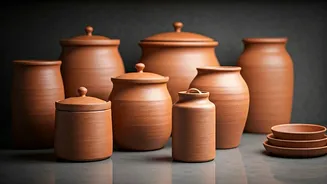
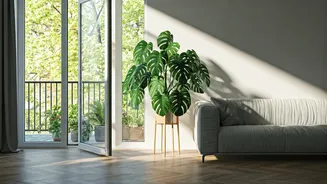
You don't need a massive budget or a complete home makeover to embrace this trend. Start small. Begin by identifying a spot in your home that gets good natural light and create a 'green corner'. Choose hardy, low-maintenance plants suitable for the Indian climate, such as the ZZ plant, snake plant, or money plant. Maximise natural light by using sheer curtains instead of heavy drapes. Introduce natural materials through small decor items: a jute rug, terracotta pots, bamboo coasters, or a wooden serving bowl. Open your windows for at least a few minutes each day to improve ventilation. Even playing sounds of nature, like rain or birdsong, can contribute to a calmer atmosphere.
A Modern Return to Indian Roots
While 'biophilic design' might be a modern buzzword, the principle is deeply embedded in traditional Indian architecture and ways of life. Think of the central courtyards (aangans) in old homes, designed to bring light, air, and often a tulsi plant into the heart of the house. Consider the widespread use of natural, locally sourced materials like terracotta, stone, and wood. Verandahs have always served as a transitional space between the indoors and outdoors. In a way, embracing biophilic design is not about adopting a foreign trend, but rather reconnecting with a timeless wisdom that has always understood the importance of living in harmony with the natural environment.