







What Is Water Weight?
Water weight, known medically as edema, is simply excess fluid that gets trapped in your body's tissues. Your body is made of about 60% water, which is essential for nearly every bodily function, from regulating temperature to transporting nutrients.
This fluid exists both inside and outside your cells. When the balance is just right, you don't notice it. But when your body holds onto more water than usual, you might feel puffy or bloated, and see a temporary jump on the scale. This can happen in specific areas like your hands, ankles, and face, or feel more generalised. It's important to distinguish this from fat gain; water weight can cause your weight to fluctuate by a kilogram or two from one day to the next, while fat gain is a much slower process.
Your Body’s Delicate Fluid Balancing Act
Your body is constantly performing a complex balancing act to maintain fluid homeostasis. This process is managed by your kidneys, which filter your blood and decide how much water to excrete as urine and how much to reabsorb. This system is heavily influenced by electrolytes—minerals that carry an electric charge, such as sodium and potassium. Hormones also play a starring role. For instance, antidiuretic hormone (ADH) tells your kidneys to conserve water when you're dehydrated, while aldosterone helps manage sodium and potassium levels, which in turn affects fluid retention. Think of it as a highly responsive internal plumbing system designed to keep everything stable. When any of these signals get disrupted, the system can be thrown off balance.
Common Triggers for Water Retention
Several everyday factors can cause your body to hold onto extra water. A high-sodium diet is a primary culprit; when you consume too much salt, your body retains water to dilute the excess sodium and maintain balance. Consuming a lot of refined carbohydrates can also lead to water retention, as your body stores carbs as glycogen, and each gram of glycogen is stored with about three grams of water. Hormonal fluctuations, particularly those during the menstrual cycle, are another common cause for women. Even physical inactivity can play a part. When you sit or stand for long periods, gravity can cause fluid to pool in your lower extremities. Finally, stress can indirectly cause puffiness by influencing hormones like cortisol, which affects kidney function and fluid balance.
The Hydration Paradox: Drink More to Retain Less
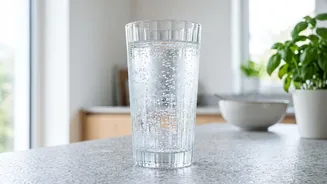
It seems counterintuitive, but one of the best ways to combat water retention is to drink more water. This is the hydration paradox. When you're dehydrated, your body perceives a scarcity of water and goes into conservation mode. It releases hormones that signal the kidneys to hold onto every last drop, leading to bloating and swelling. However, when you are consistently well-hydrated, you send a signal of abundance. Your body feels secure that more fluid is coming, so it doesn't need to hoard its current supply. Adequate water intake helps your kidneys function optimally, allowing them to flush out excess sodium and waste products that contribute to retention. So, staying hydrated assures your body that it's safe to let go of the extra fluid it's been holding.
Managing Your Fluid Balance
Beyond staying hydrated, you can support your body's fluid balance with a few other simple strategies. Pay attention to your electrolyte balance by managing sodium intake and increasing your consumption of potassium-rich foods like bananas, avocados, spinach, and sweet potatoes. Potassium helps counteract sodium's effects by working with it to regulate fluid inside and outside your cells. Regular physical activity is also key. Exercise improves circulation, which helps move excess fluid out of your tissues and encourages sweating, a natural way to release water and salt. Finally, prioritising sleep and managing stress can help regulate hormones like cortisol, further supporting a healthy and stable fluid balance.