




A Vision for Urban Eco-Tourism
After years of planning, the ambitious Kukrail Night Safari project has received its final clearance from the Supreme Court, paving the way for construction to begin. Inspired by Singapore's world-renowned attraction, the safari is designed to be a unique
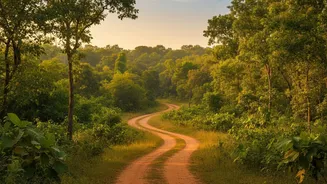
blend of education, entertainment, and environmental stewardship. The project will be developed within the ecologically sensitive Kukrail Reserve Forest, a 2,027-hectare area on the outskirts of Lucknow. The goal is to allow visitors to observe nocturnal animals during their most active hours, an experience starkly different from a traditional daytime zoo visit. This initiative positions Lucknow as a pioneer in innovative urban ecology and is expected to significantly boost tourism in Uttar Pradesh.
What to Expect After Dark
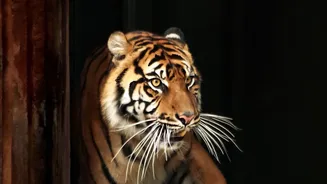
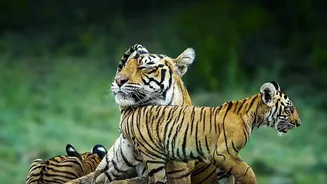
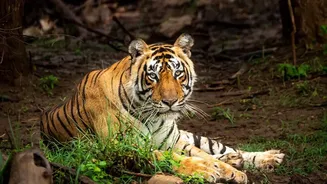
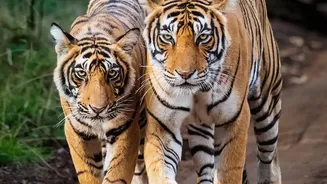
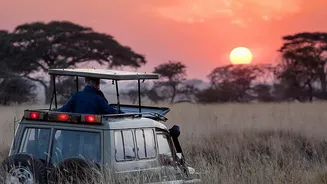
Visitors will embark on a journey through the forest in quiet, battery-operated trams to minimise disturbance to the animals. A specialised lighting system designed to mimic natural moonlight will allow for clear viewing without causing discomfort to the wildlife. The safari plans to feature large, naturalistic enclosures for a variety of species, including Asiatic lions, Bengal tigers, leopards, and hyenas. The entire experience, expected to last around 40 minutes, will take visitors through different thematic zones showcasing various habitats. Beyond the safari itself, the master plan includes amenities like a 7D theatre, an auditorium, and wildlife interpretation centres to provide a comprehensive educational experience.
Conservation at its Core
While the safari promises a unique attraction, its foundation is built on conservation. The project is not just a tourist destination but also a dedicated research and breeding facility. The Kukrail forest is already home to India's oldest and one of its most successful gharial rehabilitation centres, which was established in 1975. This existing conservation legacy will be integrated into the new project, which aims to protect and breed several other species. The entire facility is being designed to have a minimal ecological footprint, with eco-friendly infrastructure like bamboo huts and nature trails. One of the key conditions of the project's approval was a commitment to environmental safeguards, including strict rules on tree felling and compensatory afforestation.
The Road Ahead: Timeline and Details
The project is estimated to cost around ₹1,500 crore and will be developed in phases. The first phase will focus on constructing the night safari, which is expected to take at least two years to complete. While initial proposals included relocating the existing Lucknow Zoo to Kukrail, this plan was rejected by regulatory committees to protect the forest area. Therefore, the Nawab Wajid Ali Shah Zoological Garden will remain at its current location. The Supreme Court has mandated strict oversight, with a special committee set to conduct periodic inspections to ensure all environmental conditions are met. With the final legal hurdles cleared, construction is expected to begin soon, bringing India's first-of-its-kind night safari one step closer to reality.