

The Unmatched Power of a Perfect Fit
Off-the-rack clothing is designed for a standardised body, which means it rarely fits anyone perfectly. This is where a tailor works their magic. A few simple adjustments can transform a garment from 'good enough' to 'made for you'. When your clothes
fit perfectly—shoulders aligned, trousers falling at the right length, and waistlines sitting just so—it does more than just look good. It enhances your posture, boosts your confidence, and makes you feel more comfortable in your own skin. Properly fitted clothes give a sleek, polished appearance that signals attention to detail.
Fall in Love with Your Wardrobe Again
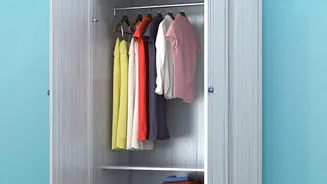
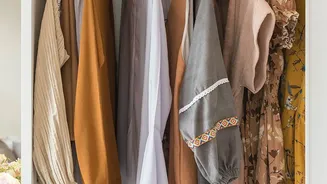
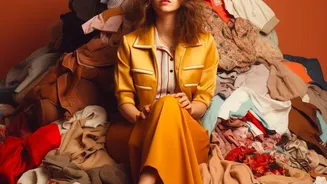
Many of us have clothes sitting unworn in our closets because of minor issues: a pair of trousers that are slightly too long, a kurta that's a bit too loose, or a dress from two seasons ago that feels dated. Tailoring allows you to 'shop your own closet' by reviving these forgotten pieces. Instead of discarding them, an expert tailor can update silhouettes, repair minor damage, and adjust the fit for your current body shape. This not only saves you money but also breathes new life into garments you once loved, allowing you to wear them for years to come.
A Smarter Choice for Your Wallet
Investing in alterations is often far more economical than constantly buying new clothes. In India, simple alterations like hemming trousers or shortening sleeves can cost between ₹200 and ₹500, while more complex adjustments like resizing a salwar kameez might range from ₹350 to ₹800. Compare that to the cost of a brand new, quality garment, and the savings become clear. By extending the life of your existing clothes, you reduce the need for impulse buys and get more value from each piece you own. A well-altered garment you wear frequently is a better investment than a cheap new item that languishes in your wardrobe.
A Stylish Step Towards Sustainability
The fashion industry is a major contributor to environmental waste. Choosing to alter your clothes is a powerful act of sustainable fashion. It directly combats the 'fast fashion' cycle of buying and discarding by extending the lifespan of your garments, which is the most effective way to reduce your fashion footprint. Every time you repair a zipper, adjust a waistline, or modernise an old blazer, you are keeping clothes out of landfills and reducing the demand for new resource-intensive manufacturing. Supporting local tailors also strengthens your community economy.
How to Get Started with Tailoring
Finding a good tailor is key. Start by asking for recommendations from well-dressed friends or at high-end clothing stores, as they often have trusted contacts. You can also search online for local tailors with positive reviews. For your first visit, bring a simple, lower-cost item like a pair of trousers or a shirt for a basic alteration. This allows you to assess their workmanship without risking an expensive piece. Garments made from quality fabrics like cotton, wool, or linen are excellent candidates for tailoring, as are classic items like blazers, trousers, jeans, and dresses.