



The Rain-Soaked Renaissance
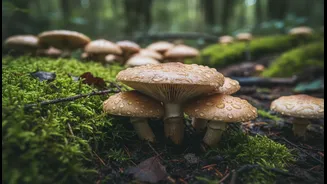
For generations, the arrival of the first rains has signalled the start of a quiet, patient hunt in India’s forests. Tribal communities and villagers, armed with ancestral knowledge, have always known the secrets of the monsoon floor: where to find the most
delicious fungi that sprout, seemingly by magic, from the damp earth. But what was once a hyperlocal, traditional practice is now capturing the imagination of a wider audience. From high-end restaurant menus in metros to the kitchens of curious home cooks, wild Indian mushrooms are being celebrated for their unique flavours, meaty textures, and deep connection to the season. This isn't just about food; it's a rediscovery of local, foraged ingredients that tell a story of the land.
Meet The Stars of the Season
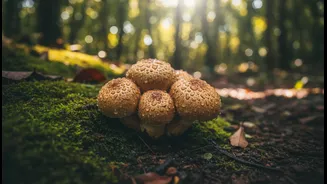
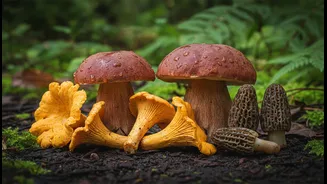
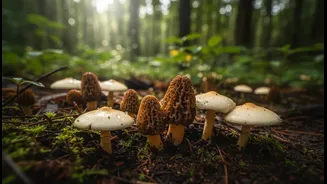
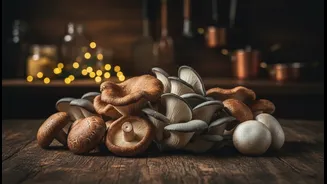
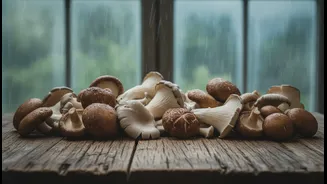
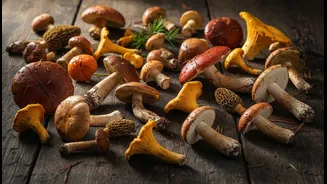
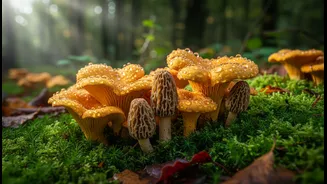
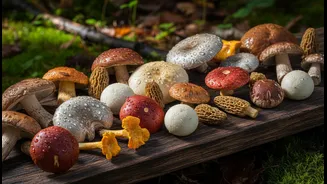
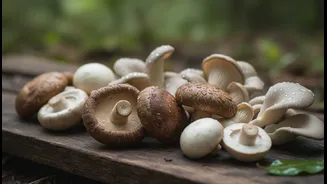
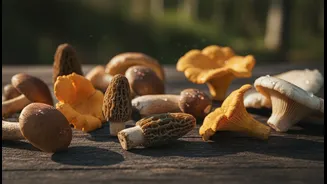
Forget the button mushroom. The monsoon brings forth a spectacular cast of wild characters, each with its own distinct personality. In Goa and along the Konkan coast, the undisputed king is the 'Roen Olmi' or 'Alami', a species of Termitomyces that grows exclusively on termite hills. These mushrooms, which can command high prices, have a firm, meaty texture and an intensely earthy flavour, perfect for a traditional Goan 'xacuti' or a simple 'chilly fry'. In Jharkhand and Chhattisgarh, tribal communities forage for 'Rugda', a round, pebble-like mushroom with a crunchy exterior and a soft centre, often called 'vegetarian mutton'. Meanwhile, in the Northeast, one might find 'Uyen', a shiitake-like mushroom from Manipur, or varieties that sprout from bamboo groves in Odisha, each bringing a unique taste of its native soil.
From Forest Floor to Five-Star Plate
The journey of these mushrooms from hidden forest patches to urban dining tables highlights a growing appreciation for native ingredients. Chefs are increasingly looking beyond commercially farmed produce to champion these seasonal delicacies. The 'Olmi' from Goa, for example, is no longer just a feature of home cooking but is appearing in gourmet preparations that celebrate its unique taste. This culinary curiosity is fueled by a desire for authenticity and sustainability, as consumers become more interested in where their food comes from. During the monsoon, when fishing is often banned, these mushrooms also serve as a popular and flavourful meat substitute in many coastal communities. The result is a delicious bridge between ancient foraging traditions and modern culinary innovation, placing these humble fungi in the spotlight.
The Forager's First Rule: Absolute Certainty
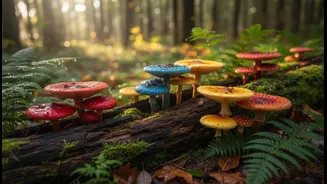
The allure of foraging is powerful, but it comes with a critical warning: never, ever eat a wild mushroom that you cannot identify with 100 percent certainty. Many delicious edible mushrooms have poisonous lookalikes, and a mistake can lead to severe illness or even be fatal. There are no simple rules or tricks—like checking for bright colours—to distinguish safe mushrooms from toxic ones. This knowledge is passed down through generations or acquired through years of careful study with experts. For the average person, the safest way to enjoy this monsoon bounty is to buy from trusted local vendors at the market. These sellers are often part of the same communities that have been harvesting these fungi for centuries and possess the invaluable expertise to know what is safe to sell and eat.
More Than Just Flavour
Part of the mushroom's rising popularity is linked to a growing awareness of their health benefits. Wild mushrooms are a nutritional powerhouse. They are a low-calorie source of protein, fibre, and antioxidants. They are also one of the few natural, non-animal sources of Vitamin D, which is essential for immune health. With their rich, savoury 'umami' flavour, they provide a satisfying depth to dishes, making them an excellent meat substitute for those looking to reduce their meat consumption. Their unique compounds are also studied for their ability to boost the immune system, support brain health, and promote a healthy gut. This combination of incredible taste and impressive health credentials makes them the perfect superfood for the season.