







From 'No Pain, No Gain' to 'Train Smarter'
Remember when bragging about being sore for days was a badge of honour? That era is officially ending. The fitness community is experiencing a major mindset shift. The old-school 'no pain, no gain' philosophy, which often led to burnout, injury, and plateaus,
is being replaced by a more intelligent and sustainable approach: 'train smarter, not just harder.' Today’s fitness enthusiasts, from professional athletes to dedicated amateurs, understand that the magic doesn't just happen during the hour you spend lifting weights or on the treadmill. The real gains in strength, endurance, and overall health are made during the recovery period. This is when your body adapts to the stress of exercise, repairs muscle tissue, and replenishes its energy stores. Ignoring recovery is like building a house without letting the foundation set—sooner or later, it’s all going to come crashing down.
The Science of Rest
So, what’s actually happening when you ‘recover’? It’s not just about sitting on the couch. Exercise creates microscopic tears in your muscle fibres and depletes your energy. Recovery is the active biological process of repairing this damage. During this time, your body works to rebuild those muscle fibres stronger than before—a process called hypertrophy.
Furthermore, intense exercise is a stressor that activates your sympathetic nervous system (the 'fight or flight' response). Proper recovery helps shift you back into the parasympathetic state (the 'rest and digest' system), which lowers your heart rate, reduces stress hormones like cortisol, and promotes repair. Without this crucial shift, you can end up in a state of chronic stress and overtraining, leading to fatigue, poor performance, a weakened immune system, and increased risk of injury.
The Non-Negotiable Foundation: Sleep and Nutrition
Before you rush out to buy the latest high-tech recovery gadget, it’s essential to master the basics. No amount of foam rolling can make up for poor sleep or a bad diet. Sleep is the single most powerful recovery tool you have. During deep sleep, your body releases human growth hormone (HGH), which is critical for tissue repair and muscle growth. Aiming for 7-9 hours of quality sleep per night is non-negotiable for anyone serious about their fitness.
Nutrition is the other pillar. Immediately after a workout, your muscles are like a sponge, ready to soak up nutrients. Consuming a combination of protein (to repair muscle) and carbohydrates (to replenish glycogen stores) within an hour or two post-exercise can significantly speed up your recovery process. Don’t forget hydration—water is essential for nearly every metabolic function, including flushing out waste products created during exercise.
Your Modern Recovery Toolkit
Once you have the fundamentals locked down, you can explore the tools and techniques that have made recovery a hot topic. Think of these as performance enhancers for your rest day.
**Active Recovery:** This means engaging in light, low-intensity movement on your rest days. A gentle walk, a casual swim, or some light stretching can increase blood flow to your muscles, helping to clear out metabolic waste and reduce soreness without adding more stress to the body.
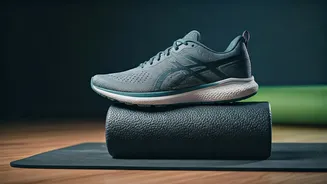
**Soft Tissue Work:** Foam rollers and massage guns are now staples in most gyms. These tools help release muscle tightness, break up knots (adhesions), and improve flexibility and range of motion. While they can be intense, regular use can dramatically reduce Delayed Onset Muscle Soreness (DOMS).
**Temperature Therapy:** The sight of athletes plunging into ice baths is now common. Cold therapy (cryotherapy) is thought to reduce inflammation and numb sore muscles. On the other end, heat therapy, like using a sauna or a hot pack, can increase blood flow, relax tight muscles, and promote a sense of well-being. Some people even alternate between hot and cold for maximum effect.