





The Myth of the Expensive Superfood
The belief that healthy eating requires a hefty budget is deeply ingrained. We see images of quinoa from the Andes, avocados from Mexico, and kale smoothies, and assume that health comes with a high price tag and a significant carbon footprint. This narrative
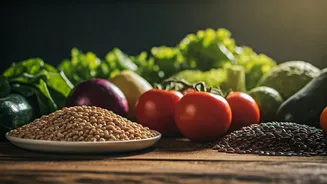
often overlooks the treasure trove of nutrition available in our own backyards and local markets. For generations, Indian diets have been built on inexpensive, nutrient-dense foods. The current redefinition isn’t about inventing something new, but rather rediscovering the wisdom we already possess. It’s a collective shift away from aspiring to global fads and towards celebrating the power of local, seasonal, and traditional ingredients that are both light on the wallet and incredibly beneficial for our health.
The Mighty Millet Makes a Comeback
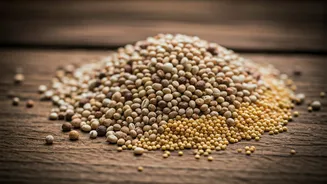
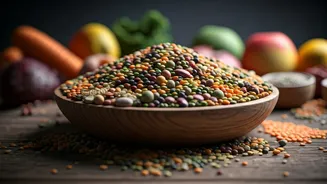
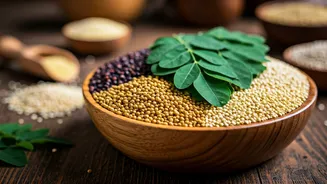
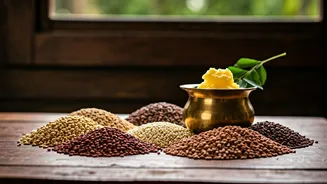
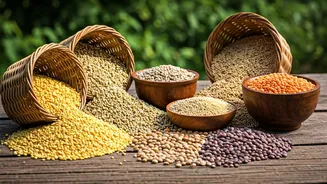
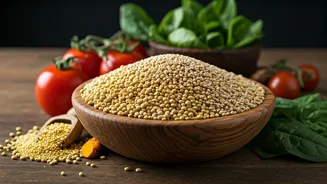
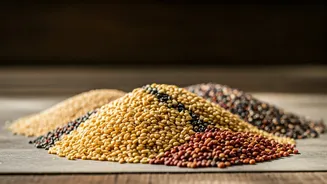
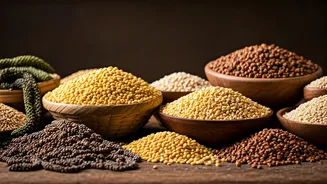
At the forefront of this change is the humble millet. Once a staple in many parts of the country, millets like jowar, bajra, and ragi were sidelined by the dominance of wheat and rice. Now, they are staging a spectacular comeback. Championed by the government and highlighted by the UN's declaration of 2023 as the International Year of Millets, these ancient grains are being recognised for what they are: nutritional powerhouses. They are rich in fibre, protein, and micronutrients, are naturally gluten-free, and have a low glycemic index, making them excellent for managing blood sugar levels. More importantly, they are climate-resilient crops that grow well in arid conditions with minimal inputs, which helps keep their price accessible for the average consumer. From millet dosas and rotis to porridge and even baked goods, Indians are creatively incorporating these grains back into their daily meals, proving that superior nutrition doesn't have to be imported.
Back to Our Roots: The Power of Local
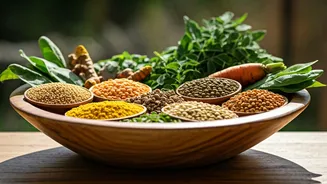
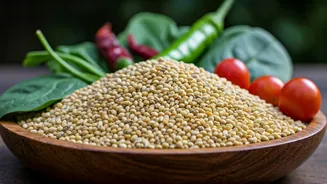
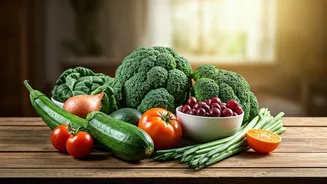
Beyond millets, there's a growing appreciation for hyper-local greens and vegetables that our grandmothers swore by. Think moringa (drumstick leaves), amaranth leaves (cholai), colocasia (arbi), and countless other regional specialties that were once dismissed as 'poor man's food'. Nutritionists and chefs are now celebrating these ingredients for their dense nutritional profiles, often surpassing their more expensive, imported counterparts. This ‘back to roots’ movement encourages eating seasonally, which has two major benefits. First, seasonal produce is at its nutritional peak and tastes better. Second, because it's available in abundance, it’s significantly cheaper. By choosing a simple gourd (lauki) or pumpkin (kaddu) over broccoli or zucchini, consumers are making a choice that is healthier for their bodies, their wallets, and the local farming ecosystem.
Startups and a New Mindset
This cultural shift is also being fueled by a new wave of Indian food startups. These direct-to-consumer (D2C) brands are challenging the old guard by making healthy eating convenient and transparent. They are offering everything from millet-based breakfast mixes and healthy snacks to cold-pressed juices and organic spices, often at competitive prices. By cutting out the middleman, these companies can better control quality and cost. They are also masters of storytelling, using social media to educate consumers about the benefits of local ingredients and traditional recipes. This has helped create a community of conscious consumers who are more informed and empowered. They are learning to read labels, question marketing jargon, and understand that the most effective 'diet' is often the one that is closest to their own culinary heritage.