


The Great Pea Debate: Fresh vs. Frozen
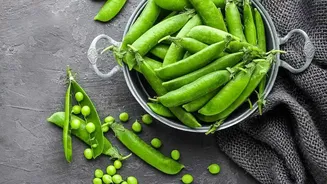
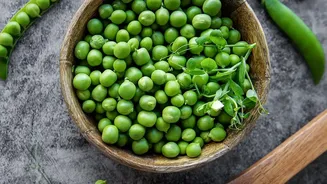
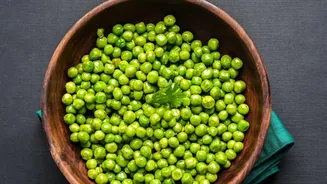
In the world of vegetables, 'fresh is best' is a common refrain. However, when it comes to green peas, the reality is more nuanced. Fresh peas are a seasonal delight, offering a crisp, sweet pop of flavour that's hard to beat, especially when eaten raw
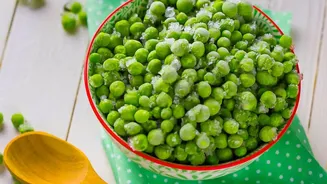
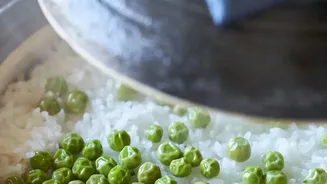
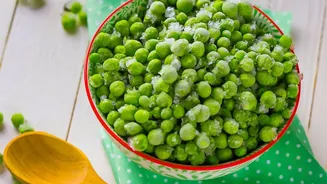
or lightly cooked. But their sugars start converting to starch almost immediately after being picked, meaning their peak quality is fleeting. This is where frozen peas shine. They are typically harvested at their peak ripeness and flash-frozen within hours, a process that locks in their sweetness, texture, and vital nutrients like Vitamin C. In fact, studies show that frozen peas often retain their nutritional profile better than fresh peas that have been transported and stored for several days. For convenience, year-round availability, and consistent quality, the freezer aisle offers a surprisingly stellar option.
When To Let Fresh Peas Shine
The brief window when fresh peas are in season is a cause for celebration. Their delicate, sweet flavour and crisp texture are best appreciated in simple preparations where they are the star of the show. The key is minimal cooking; you want them to be just tender enough to pop in your mouth, not turn to mush. Steaming or blanching them for just a minute or two is often all that's needed. Toss them into a butter lettuce salad with a light vinaigrette, or serve them simply with a knob of butter and a sprinkle of salt and mint. They are also perfect for slathering on crostini after a quick puree with lemon and parmesan. When you find them at the market, seize the opportunity to enjoy them in dishes that require little more than a gentle warming.
Harnessing the Power of Frozen Peas
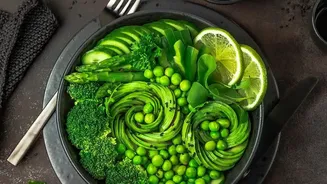
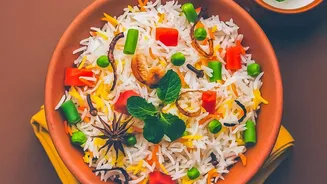
Frozen peas are a true kitchen workhorse, available year-round and ready in minutes without any tedious shelling. Their versatility is nearly boundless. Because they hold their shape and texture well, they are perfect for incorporating into cooked dishes. You can toss them into pasta during the last minute of cooking, stir them into risottos, or add them to stir-fries and curries for a burst of colour and sweetness. They don't need to be thawed before cooking; you can add them directly to soups, stews, and casseroles. Their consistent quality and flavour make them a reliable ingredient you can always have on hand for a quick and nutritious meal addition.
Recipe Spotlight: Vibrant Pea and Mint Soup
This classic soup is where frozen peas truly excel, creating a velvety, vibrant, and deeply comforting dish. The recipe is wonderfully simple and quick to prepare. Start by gently sautéing a chopped onion and a clove of garlic in a pot. Add vegetable or chicken stock and bring it to a simmer. Stir in a generous amount of frozen peas and cook for just a few minutes until they are tender and bright green—be careful not to overcook them, as they can lose their vibrant colour and fresh taste. Remove the pot from the heat and add a handful of fresh mint leaves. Use an immersion blender to puree the soup until it's smooth and creamy. Season with salt and pepper, and perhaps a squeeze of lemon juice to brighten the flavours. You can serve it warm or chilled, garnished with a swirl of cream or yogurt.
Recipe Spotlight: Classic Matar Paneer
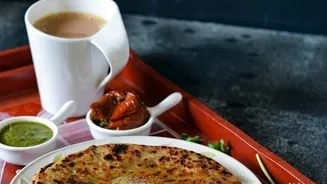
A staple of North Indian cuisine, Matar Paneer is a flavourful curry where peas and paneer (a firm, non-melting Indian cheese) swim in a rich tomato-based gravy. This dish is perfect for frozen peas, which hold up beautifully in the sauce. The gravy typically starts with a base of sautéed onions, ginger, and garlic, followed by pureed tomatoes and a blend of spices like turmeric, coriander, and garam masala. Once the sauce has thickened and the oil begins to separate, the peas are added and simmered until tender. Cubes of paneer, which can be pan-fried beforehand for extra texture or added directly, join the peas for the final few minutes of cooking. Finished with a touch of cream or yogurt and fresh coriander, it's a hearty and satisfying meal best served with naan or basmati rice.