




Understanding Root Rot
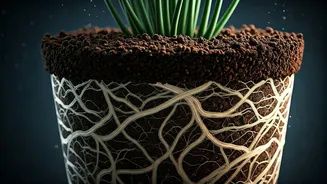
Root rot is exactly what it sounds like: the decay of a plant's roots. The primary cause in the context of monsoons is overwatering, but not from your watering can. When soil becomes waterlogged from constant rain, the air pockets that roots need to breathe
are filled with water. This oxygen-starved environment is the perfect breeding ground for fungi and bacteria that attack the roots, causing them to turn brown, black, and mushy. Left unchecked, this decay prevents the plant from absorbing nutrients and water, eventually leading to its demise.
Start with the Right Foundation
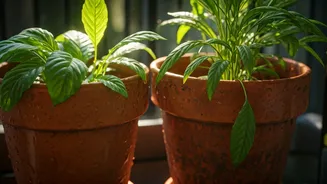
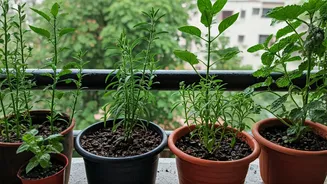
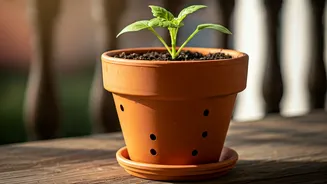
Prevention begins before the first raindrop falls. The key is ensuring excellent drainage. Start with your pots. Terracotta or unglazed clay pots are porous and help wick away excess moisture. Regardless of material, ensure every pot has multiple, unobstructed drainage holes. The soil itself is just as critical. Avoid using heavy garden soil, which compacts easily and retains too much water. Instead, opt for a light, well-draining potting mix. A good combination for balcony pots is a mix of coco peat, compost, and perlite or coarse sand, which provides nutrients while allowing excess water to escape easily.
Proactive Monsoon Prep
As the rainy season approaches, take a few preparatory steps. First, physically lift your pots off the ground. Placing them on pot feet, bricks, or small stands creates a gap that allows water to drain freely and prevents drainage holes from getting blocked. This is one of the most effective and simplest ways to combat waterlogging. Also, check that the existing drainage holes are clear of old roots or compacted soil. It's also a good idea to prune your plants lightly, removing any dead or weak branches. This improves air circulation around the plant, which helps foliage dry faster and reduces the risk of fungal diseases that thrive in damp conditions.
Managing Through the Downpour
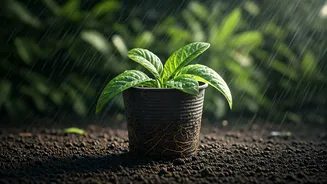
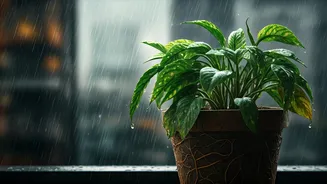
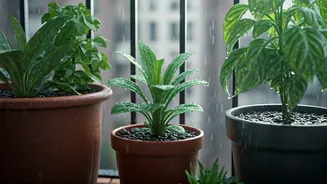
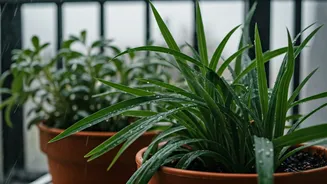
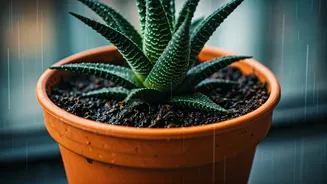
When the rain is relentless, your primary goal is to minimize the amount of water your pots absorb. If possible, move smaller, more sensitive plants (like succulents) to a sheltered part of the balcony where they are protected from the direct onslaught of rain. For larger pots that can't be moved, you might consider gently tilting them after a particularly heavy shower to help excess water drain out. The most important rule during this time is to stop manual watering. The monsoon will provide more than enough moisture; check the soil by sticking a finger an inch or two deep. Only water if it feels dry, which will be rare.
After the Rain: Damage Control
Once the rain subsides, don't assume the danger has passed. This is a critical time for assessment. Gently aerate the top layer of compacted soil with a small fork or even a stick, which helps it dry faster and restores oxygen to the root zone. Avoid walking on or working with heavily waterlogged soil, as this causes further compaction. Empty any water that has collected in the saucers beneath your pots. Hold off on fertilizing. Waterlogged roots are stressed and cannot absorb nutrients effectively; adding fertilizer now can cause more harm than good. Wait until you see signs of new, healthy growth.
Recognizing the Signs of Trouble
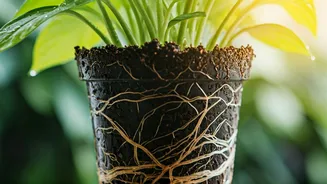
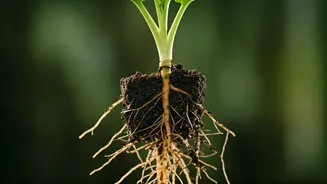
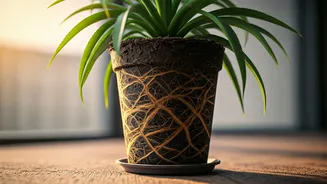
Early detection is key to saving a plant. The first signs of root rot often appear on the leaves. Look for yellowing leaves (especially lower ones), sudden wilting even when the soil is wet, and stunted growth. If you notice these symptoms, you should investigate the roots. Another tell-tale sign can be a foul, swampy smell coming from the soil. To confirm, you'll need to gently remove the plant from its pot. Healthy roots are typically white and firm. If you find roots that are brown or black, mushy, and fall apart easily, you are dealing with root rot.
Emergency Surgery for Your Plant
If you've confirmed root rot, you must act fast, though recovery is not always possible. Gently remove the plant and wash the old soil from its roots. Using clean, sterilized scissors, carefully trim away all the black, mushy, and dead roots until you are left with only healthy, white root tissue. Since the root system is now smaller, you should also prune back about a third of the plant's foliage to reduce the stress on the remaining roots. Dispose of the old, contaminated soil and thoroughly clean the pot before repotting the plant in fresh, sterile, well-draining soil. Water lightly and place it in a spot with bright, indirect light to recover.