






Say Goodbye to Expensive Transport
The single biggest expense for most weekend trips is simply getting there. A quick search for flights to popular destinations like Goa or Kerala, especially during peak season, can reveal startlingly high prices that consume a large portion of your budget
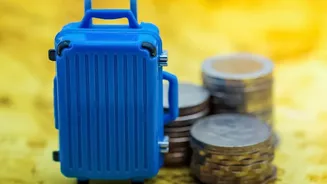
before you even book a hotel. A mid-range trip in India can cost between ₹4,500 to ₹7,000 per person per day, with transport being a major factor. Exploring your own district or a neighbouring one completely transforms this equation. Instead of expensive flights or long-distance trains, your travel costs shrink to the price of a local bus ticket, a short train ride, or a bit of fuel for your car or motorbike. This simple switch can save you thousands of rupees, freeing up funds for other experiences or simply allowing you to enjoy a break without financial strain.
Eliminate Accommodation and Food Costs
A typical weekend trip involves at least one or two nights in a hotel, where even budget options in tourist hotspots can add up. A day trip to a heritage site within your district eliminates this cost entirely. You get to explore a fascinating new place and still sleep in your own bed at night. If you decide to stay overnight in a nearby town, you'll find that local guesthouses and small hotels are significantly cheaper than those in major tourist hubs. The same logic applies to food. Instead of paying inflated prices at restaurants catering to tourists, you can enjoy authentic, delicious meals at local dhabas and eateries for a fraction of the cost. A proper meal can often be found for less than ₹100, a price rarely seen in prime vacation spots.
Benefit from Low or No Entry Fees
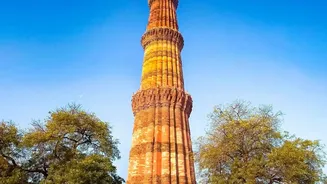
Major national monuments and UNESCO World Heritage Sites often have entry fees that, while reasonable, can add up. For instance, entry to the Taj Mahal for Indian citizens is around ₹50, while other major forts can be around ₹30-40. While these prices are low, many district-level heritage sites, such as smaller temples, old administrative buildings, forgotten forts, or historical public spaces, have even lower fees or are completely free to enter. These sites are maintained by local trusts or are simply open to the public, offering a chance to soak in history and architecture without spending a rupee. This allows you to visit multiple spots over a weekend without constantly dipping into your wallet for tickets, making the entire experience more relaxed and accessible.
Maximise Your Time, Save Your Leave
Long-distance travel doesn't just cost money; it costs time. A trip to another state can easily eat up half a day or more in transit each way. This often means taking a day or two off from work to make the journey worthwhile. Local exploration, on the other hand, is the perfect fit for a standard two-day weekend. You can leave on a Saturday morning, spend the whole day exploring, and be back by evening, or extend it to Sunday without feeling rushed. This efficiency means you don't have to dip into your precious annual leave, saving it for a longer holiday. In essence, you get the refreshment of a trip without the associated loss of time and professional commitments.
The Invaluable Joy of Discovery
Beyond the clear financial savings, there is an immense and often overlooked value in connecting with your own local history. These nearby spots—an old stepwell, a colonial-era bungalow, or the ruins of a small fortress—tell the story of your own region. Discovering these hidden gems fosters a deeper appreciation for the place you call home. This kind of travel moves beyond a simple checklist of tourist sites and becomes a more personal journey of discovery. It's a reminder that adventure and culture aren't just things you have to fly to; they are often waiting just a short drive away, offering a high return of experience on a very low investment.
Support Your Local Community
When you spend money exploring your district, that money tends to stay within the community. The cash you pay for a bus ticket, a cup of chai, a meal at a local restaurant, or a souvenir from a small shop directly supports local families and entrepreneurs. This form of tourism is sustainable and helps preserve not just the physical heritage sites but also the local economy that surrounds them. It’s a rewarding feeling to know that your weekend of leisure is also contributing positively to the place and people right next door, making the experience richer and more meaningful.