





What Exactly Are Ultra-Processed Foods?
First, it's important to understand that not all processed food is bad. Processing can be as simple as freezing vegetables or canning beans to preserve nutrients. The concern lies with ultra-processed foods. According to the widely used NOVA classification
system, these are industrial formulations made mostly from substances extracted from foods, with additives to enhance taste, texture, and shelf life. Think of it this way: a whole potato is unprocessed, olive oil is a processed culinary ingredient, and canned vegetables are processed. But potato crisps, with their long list of flavour enhancers, preservatives, and artificial colours, are ultra-processed. Other common examples include sugary drinks, packaged biscuits and cakes, instant noodles, and many ready-to-eat meals. These products often contain ingredients you wouldn't find in a home kitchen, such as hydrogenated oils, modified starches, and various cosmetic additives designed to make them hyper-palatable.
The Latest Health Concerns
A growing body of research links high consumption of UPFs to a range of health issues. Recent large-scale studies have found strong associations between diets high in UPFs and an increased risk of obesity, type 2 diabetes, and cardiovascular diseases like heart attacks and high blood pressure. Some findings suggest that for every 10% increase in UPF consumption, the risk for premature death from any cause may rise significantly. The reasons are multi-faceted. UPFs are typically high in calories, unhealthy fats, salt, and added sugars, while being low in essential nutrients like fibre and vitamins. Beyond their poor nutritional profile, some researchers believe the industrial processing itself and the additives used may contribute to systemic inflammation and negatively affect our gut microbiome, which has a known connection to mental health, potentially increasing risks for depression and anxiety.
The Rise of UPFs in India
The convenience, long shelf life, and intensive marketing of UPFs have made them increasingly common in diets worldwide, and India is no exception. Reports indicate a significant rise in the consumption of UPFs across the country. According to a World Health Organization report, retail sales of UPFs in India grew at a compound annual rate of over 13% between 2011 and 2021. Another analysis showed the market value soared from around $900 million in 2006 to nearly $38 billion by 2019. Categories like sweet biscuits, salty snacks, and carbonated soft drinks dominate the market. This dietary shift is a growing public health concern, as estimates from the Indian Council of Medical Research suggest that over half of India's disease burden is linked to unhealthy diets.
How to Spot UPFs in the Supermarket
Identifying UPFs can feel tricky, but there are simple clues to look for on the food label. The most telling sign is a long list of ingredients, especially ones that sound unfamiliar or more like a chemistry experiment. Look for terms like protein isolates, high-fructose corn syrup, hydrogenated or interesterified oils, and additives such as flavour enhancers, emulsifiers, and artificial sweeteners. If the ingredients list contains several items you wouldn't typically use in your own cooking, it's likely an ultra-processed product. Another clue is that the original whole food is often unrecognisable in the final product.
Making Smarter, Healthier Swaps
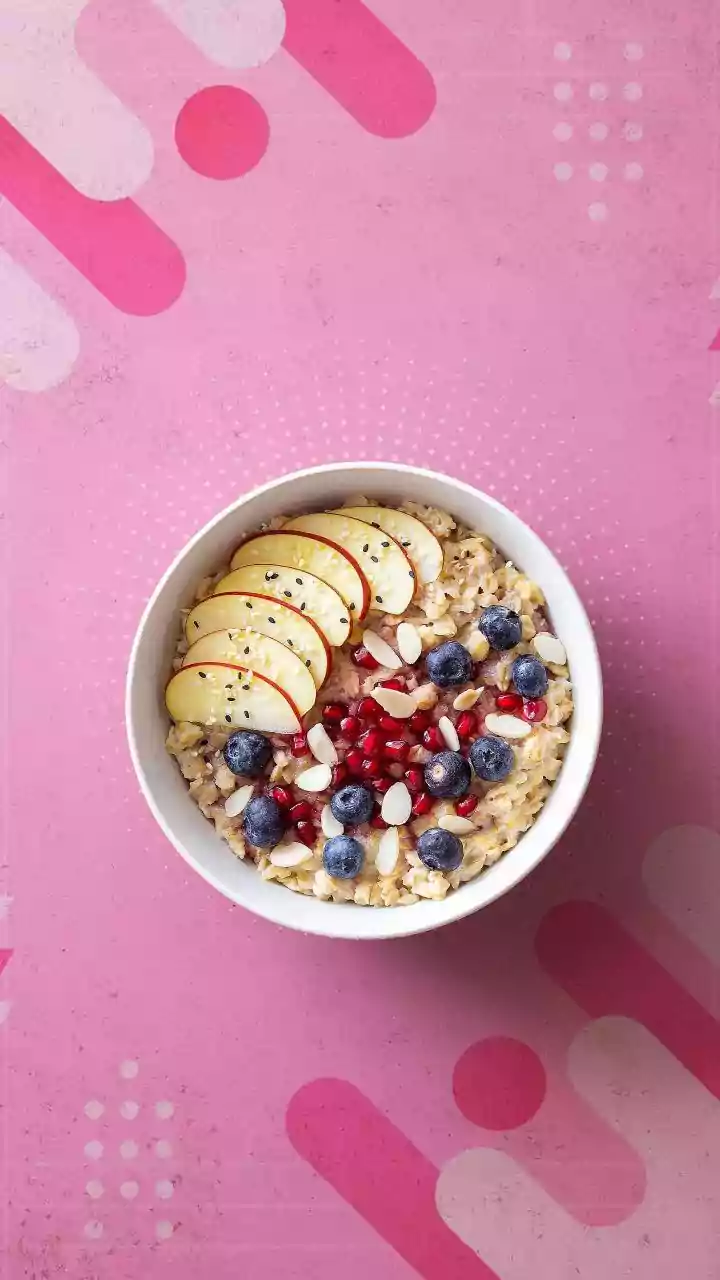
Reducing your intake of UPFs doesn't mean you have to eliminate them completely. The goal is to make mindful swaps to shift the balance of your diet toward less processed, more whole foods. Instead of reaching for a sugary breakfast cereal, try plain oatmeal or yogurt and add fresh fruit for sweetness. Swap crisps for a handful of roasted chickpeas or nuts. When making a sandwich, opt for whole-grain bread and use freshly cooked chicken or chickpeas instead of processed deli meats. Rather than using a bottled salad dressing, which can be high in sugar and preservatives, whisk together a simple vinaigrette with olive oil, lemon juice, and herbs. These small, consistent changes can significantly reduce your consumption of additives, sugar, and unhealthy fats over time.