
The Gut Health Connection
The foundation of a healthy body often begins in the gut. Our digestive system is home to trillions of microorganisms, collectively known as the gut microbiome. A balanced microbiome is crucial for everything from proper digestion and nutrient absorption
to immune function. Probiotics, which are live beneficial bacteria and yeasts, play a starring role in maintaining this balance. Found in fermented foods, they help replenish good bacteria, which can be depleted by factors like stress, poor diet, or antibiotics. Consuming probiotics can support regular bowel movements, reduce bloating, and even help manage symptoms of digestive issues like irritable bowel syndrome (IBS). Recent studies have shown that regular consumption of probiotic drinks like kombucha can measurably shift gut bacteria toward more beneficial species.
Why Go Dairy-Free?
For years, yogurt and milk kefir have been the go-to sources for probiotics. However, a significant portion of the global population is lactose intolerant, meaning they lack the enzyme to properly digest the sugar in milk, leading to discomfort. Others have milk allergies or follow vegan or plant-forward lifestyles. This has fueled a surge in demand for effective dairy-free probiotic options. Plant-based probiotic sources provide the same gut-supporting benefits without the dairy, offering an inclusive and often more easily digestible alternative for many people. Homemade versions allow for complete control over ingredients, avoiding the preservatives and added sugars often found in commercial products.
Meet Your New Favorite Probiotic Drinks
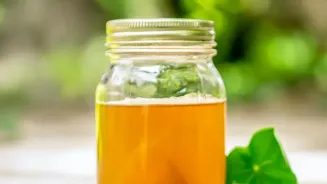
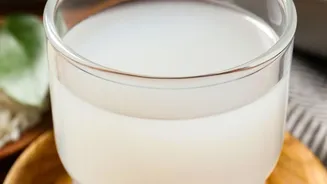
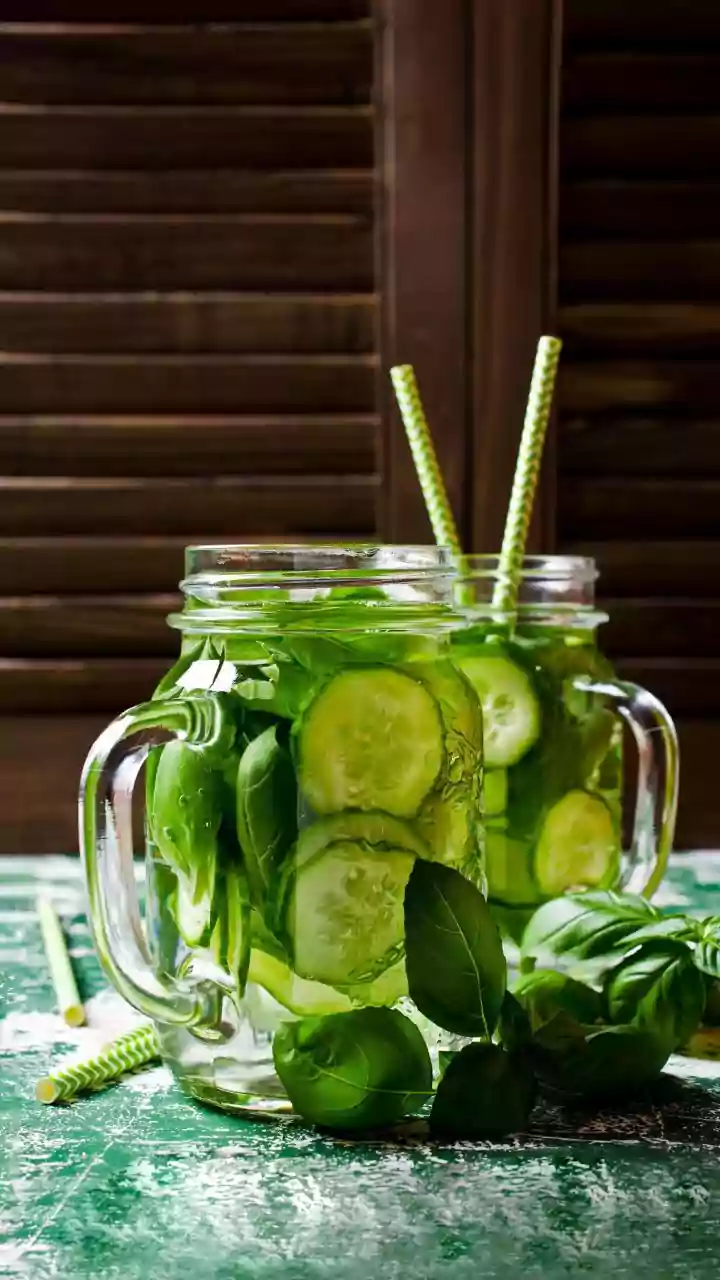
Moving beyond dairy opens up a world of exciting, fizzy, and flavorful beverages you can easily create at home.Water Kefir: Don't let the name fool you; there's no milk involved. Water kefir is made using 'kefir grains'—not actual grains, but symbiotic colonies of bacteria and yeast—which ferment sugar water. The result is a light, bubbly beverage that's low in sugar because the microorganisms consume most of it during fermentation. It's a fantastic, hydrating alternative to soda and can be flavored with fruit juice or herbs in a second fermentation. It is rich in beneficial microbes and may help enhance immune function.Kombucha: This popular fermented tea is made using a SCOBY (Symbiotic Colony of Bacteria and Yeast). Black or green tea is fermented with sugar to create a tangy, slightly sweet, and effervescent drink. Like water kefir, it’s a low-sugar alternative to typical soft drinks. Research suggests kombucha can aid in digestion and help improve gut flora.Other Dairy-Free Options: You can also ferment various plant-based milks, such as coconut, almond, or cashew milk, to create your own probiotic yogurt. Another traditional option is Kanji, a North Indian drink made by fermenting carrots with mustard seeds, which is packed with antioxidants.
The Sustainable Sip
One of the most compelling aspects of making your own probiotic drinks is the significant reduction in environmental impact. The beverage industry's carbon footprint is substantial, largely due to packaging and transportation. Think of all the single-use plastic bottles, cans, and glass that commercial drinks are sold in. By brewing at home in reusable glass jars and bottles, you drastically cut down on packaging waste.Furthermore, you eliminate the 'food miles' associated with shipping heavy liquids from a factory to a warehouse, then to a store, and finally to your home. Studies have shown that the greenhouse gas emissions from manufacturing a liter of a sugary drink can be over 80 times greater than that of a liter of tap water. Making your own beverages using local tap water almost entirely eradicates this transportation chain, contributing to a smaller personal carbon footprint and a more sustainable lifestyle.
Getting Started Is Easy
Diving into home fermentation might sound intimidating, but it's a surprisingly simple and forgiving process. To start making water kefir or kombucha, you only need a few basic items: a large glass jar, a breathable cloth cover, sugar, and your starter culture (water kefir grains or a SCOBY). These cultures can be purchased online or even acquired from a friend, as they multiply with each batch. The process typically involves dissolving sugar in water (or tea for kombucha), adding the culture, and letting it ferment at room temperature for a few days. For those looking to make dairy-free yogurt, the process involves heating a plant-based milk, adding a thickener and probiotic capsules or a starter, and letting it ferment in a warm place. The key is to start with small batches and maintain clean equipment to ensure a safe and successful ferment.