




Your Rain-Ready Wardrobe
When it pours, the right clothing is your first line of defence. The golden rule of monsoon trekking is to avoid cotton at all costs. Cotton absorbs moisture, gets heavy, and takes a long time to dry, leaving you cold and uncomfortable. Instead, opt for lightweight,
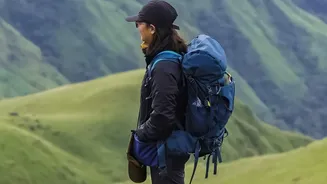
quick-drying synthetic fabrics like polyester or nylon for your t-shirts and trek pants. A layered approach works best. Start with a moisture-wicking base layer, add a fleece for warmth if needed, and top it off with a reliable waterproof rain jacket or a poncho. A good poncho can be a great choice as it often provides enough coverage for you and your backpack. Full-sleeved shirts and full-length pants also offer protection from insects and scratches on overgrown trails.
Protecting Your Gear
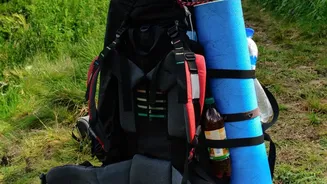
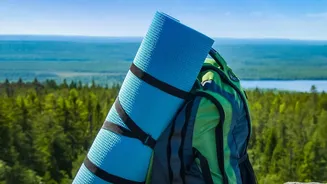
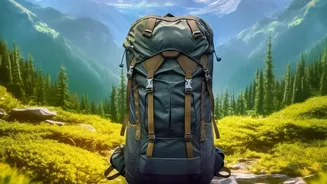
Keeping your essentials dry is non-negotiable. While many backpacks claim to be water-resistant, a sustained downpour will eventually find its way in. A snug-fitting rain cover for your backpack is essential. However, true waterproofing comes from the inside. Line your backpack with a large, heavy-duty plastic bag or use dedicated dry sacks to compartmentalise your belongings. Clothes, sleeping bags, electronics, and food should all go into their own waterproof bags. This double-layer system ensures that even if your main pack gets damp, your critical gear remains perfectly dry. Ziplock bags are excellent for smaller items like phones, wallets, and first-aid supplies.
The Right Foot Forward
Slippery rocks and muddy trails are a major challenge in the Ghats during the monsoon. Your choice of footwear can make or break your trek. Look for trekking shoes with a good grip and deep lugs on the sole to provide traction on wet surfaces. While waterproof shoes can keep your feet dry from external moisture, they can also trap sweat and take a long time to dry if water gets in from the top. An alternative approach favoured by many experienced trekkers is to use non-waterproof shoes with excellent drainage, paired with multiple pairs of quick-drying synthetic or wool socks. This allows water to drain out quickly and you can swap to a dry pair of socks during breaks to keep your feet comfortable. Avoid casual sneakers or sandals which offer little to no grip or ankle support.
On-Trail Safety and Comfort
Sudden downpours affect more than just your gear. Trails can become treacherous, and visibility can drop quickly. Always use a trekking pole for added stability on slippery descents and stream crossings. Be extremely cautious when crossing streams, as water levels can rise rapidly. It's often safer to wait or find an alternative route than to cross a swollen stream. The monsoon also brings out leeches, a common feature of Western Ghats treks. While mostly harmless, they can be a nuisance. Wearing leech-proof socks or tucking your pants into thick socks can help prevent bites. Many locals use salt, lemon, or tobacco leaves on their shoes as a deterrent. If one latches on, don't panic or pull it off; gently push its mouth sideways with a fingernail to break the suction.