






It's a modern ritual: tucking into bed, only to spend another hour scrolling. This habit doesn't just steal time; it sabotages your sleep. The blue light and mental stimulation are a recipe for restlessness. Here's how to reclaim your nights.
Why Your Phone Is Your Sleep's Worst Enemy
Before diving
into the solutions, it’s crucial to understand the problem. Your phone affects your sleep in two primary ways. First, the screen emits a high-energy blue light. This specific light spectrum is particularly effective at tricking your brain into thinking it's still daytime, suppressing the production of melatonin, the hormone that signals your body it's time to sleep. Studies show that even a couple of hours of screen time in the evening can significantly disrupt this natural process, making it harder to fall asleep. Second, the content on your phone is designed to be mentally stimulating. Whether you're catching up on work emails, doomscrolling through news feeds, or watching exciting videos, your brain remains active, engaged, and sometimes even stressed. This state of cognitive arousal is the exact opposite of the calm required for a smooth transition into deep sleep.
Create a 'Phone Parking Spot' Outside the Bedroom
The single most effective strategy is to create physical distance. If your phone isn't within arm's reach, you can't mindlessly grab it. Designate a specific charging spot in another room, like the kitchen or living room. Make this a non-negotiable part of your routine. By charging it elsewhere, you eliminate the temptation to check it 'one last time' from the comfort of your warm bed. This small act restores the psychological boundary that your bedroom is a space for rest and relaxation, not for entertainment or work.
Swap Your Phone for an Old-Fashioned Alarm Clock
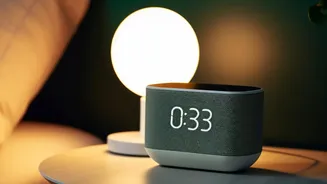
One of the most common excuses for keeping a phone by the bed is using it as an alarm. The solution is simple and inexpensive: buy a basic alarm clock. This removes the primary justification for having the device on your nightstand. By separating the function of waking up from the device that keeps you up, you break a critical link in the chain of bad habits. Plus, having an alarm across the room means you have to physically get out of bed to turn it off, which can help combat the morning snooze button marathon.
Establish a Digital Curfew
Willpower alone is often not enough, so create a firm rule. Set a 'digital curfew' at least 30 to 60 minutes before your intended bedtime. Some studies recommend an hour or more to allow your brain to fully wind down and melatonin production to begin. Set an alarm on your phone—not to wake up, but to tell you it's time to put it down for the night. Use this newly freed-up time to start a relaxing winddown routine that signals to your body that sleep is approaching.
Replace Scrolling With a Relaxing Ritual
You can't just remove a habit; you need to replace it with something better. If your brain is accustomed to stimulation before bed, give it a healthier alternative. Keep a physical book or magazine on your nightstand. The act of reading from a page is less stimulating than a screen and naturally tires your eyes. Other great options include journaling to clear your mind, listening to a calming podcast or audiobook, gentle stretching, or practicing mindfulness or meditation. The key is to find a quiet, screenfree activity you enjoy and can look forward to.
Make Your Phone Less Appealing
If going completely cold turkey feels too difficult, try making your phone less engaging. Most smartphones have a 'grayscale' mode in the accessibility settings. Turning your screen to black and white makes colourful apps and videos far less visually appealing and stimulating. Another trick is to use 'Do Not Disturb' or 'Sleep Mode' to automatically silence all notifications at a set time. Without the constant pings and vibrations vying for your attention, you're less likely to be drawn back into the digital world.