



The Great Indian Coffee Shift
A seismic shift is underway in India's beverage landscape. While instant coffee, valued for its convenience and affordability, still holds a significant market share, its dominance is being challenged by a rapidly growing 'third wave' of specialty coffee.
This movement prioritises quality, flavour, and origin over mass production. The Indian specialty coffee market was valued at over USD 3 billion in 2025 and is projected to more than double by the early 2030s, with forecasts predicting a compound annual growth rate of around 13-14%. This surge is not just about numbers; it reflects a deeper cultural change. The simple act of drinking coffee is evolving from a quick caffeine fix into an immersive experience, driven by a new generation of curious consumers.
Meet the New Connoisseurs: Gen Z and Millennials
At the heart of this revolution are India’s millennials and Gen Z, who now account for nearly two-thirds of the country's specialty coffee consumers. For this demographic, coffee is more than just a drink—it’s a lifestyle statement and a form of self-expression. Exposed to global trends through travel and social media, they seek authenticity and unique stories. They want to know the narrative behind their brew: the specific estate in Coorg or Chikmagalur it came from, the farmer who grew the beans, and the unique processing method used. This desire for transparency and quality has turned cafes into hubs for discovery, where discussions about roast profiles and brewing methods like pour-overs and AeroPress are becoming commonplace.
Decoding 'Specialty' and 'Single-Origin'
So, what exactly is this “specialty coffee” they’re after? Unlike commercial coffee, which is often a blend of beans from various sources, specialty coffee refers to high-quality beans with a unique flavour profile. The term often goes hand-in-hand with 'single-origin' or 'single-estate,' meaning the beans are sourced from one specific geographical location or farm. This traceability allows drinkers to experience the distinct 'terroir'—the unique combination of soil, climate, and altitude—of a region. Acclaimed Indian estates like Ratnagiri, Harley, and Mooleh Manay are now becoming household names among enthusiasts, celebrated for their complex notes ranging from fruity and floral to chocolatey and nutty. This focus on provenance is a world away from the uniform taste of a mass-produced instant blend.
The Rise of the Artisan Cafe and Roastery
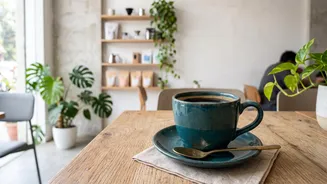
This consumer-led demand has fuelled an explosion of local, artisanal coffee brands and cafes. Homegrown chains like Blue Tokai and Third Wave Coffee have expanded rapidly, introducing Indians to freshly roasted, locally sourced beans. These brands have not only educated the consumer palate but have also created 'third places'—communal spaces that function as offices, social hubs, and creative sanctuaries. The growth is staggering; Third Wave Coffee, for instance, operates over 240 cafes and plans to expand significantly. This ecosystem is also supported by a booming home-brewing culture, with more people investing in equipment to replicate the cafe experience, driving sales of everything from French presses to high-quality grinders.
More Than a Beverage, It's an Identity
Ultimately, the switch from instant to specialty coffee reflects a broader evolution in Indian consumerism. It signals a move towards valuing experience over mere consumption, quality over quantity, and local craftsmanship over globalised uniformity. For many young Indians, choosing a sustainably sourced, single-origin coffee is a conscious decision that aligns with their values. It’s a quiet rebellion against the 'same-old' and a way to support local growers while indulging in a premium product. This shift is not just changing how India drinks coffee; it’s redefining the country's role from a major producer to a nation of discerning coffee lovers, shaping a vibrant and flavourful new culture, one cup at a time.