






We’ve all been there: one day your homemade chai is perfect, the next it’s weak or bitter. The culprit is often guesswork. Embracing a simple measurement shifts chai-making from a game of chance to a rewarding daily ritual with delicious results.
The Problem with 'Andaz'
In many
Indian households, cooking is done by 'andaz'—an estimation based on experience and intuition. While this works beautifully for seasoned experts, it's often the root of frustration for the rest of us. One person's 'pinch' is another's spoonful, leading to a daily lottery. One morning you have a fragrant, balanced cup; the next, it's either disappointingly watery or so strong it's bitter. Using too much water can dilute the flavours, while using too little can make the brew overly concentrated and harsh. This inconsistency can take the joy out of what should be a comforting, reliable part of your day. The solution isn't to lose the 'style' or personal touch of chai, but to build it on a reliable foundation.
The Science of a Perfect Brew
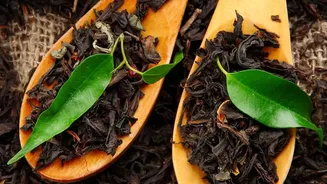
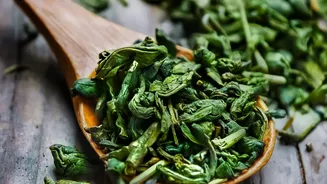
Brewing tea is a process of extraction, where hot water dissolves compounds from the tea leaves that create flavour and aroma. The key players are polyphenols (which contribute bitterness and astringency) and amino acids (which provide sweetness and savoury notes). The goal is to achieve a pleasant balance. The amount of tea leaves you use directly controls the concentration of these compounds. Too few leaves result in a weak, flat-tasting cup. Too many leaves, especially when steeped for too long, release an excess of tannins, a type of polyphenol that causes a bitter, drying sensation. Strength in tea should come from the quantity of the leaf, not just from a longer brewing time. By measuring your tea, you control the primary variable, ensuring you extract just the right amount of flavour every time.
Your Starting Ratio Guide
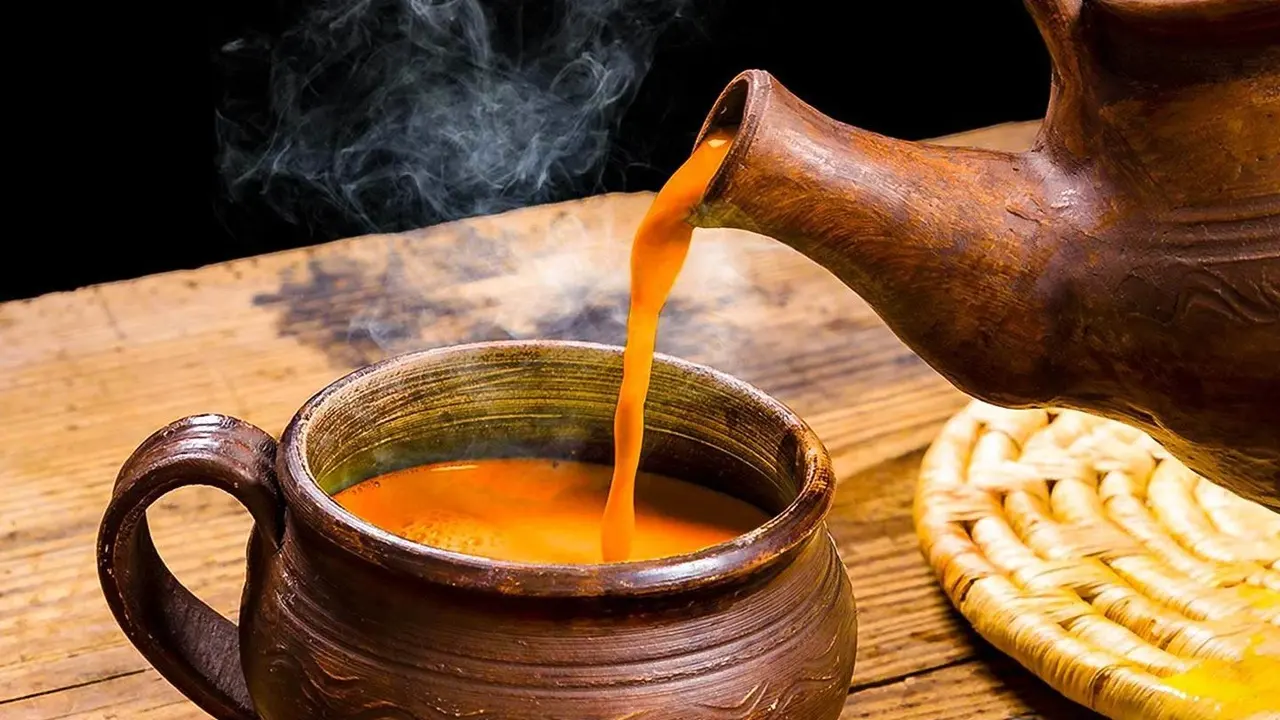
While there's no single 'correct' recipe, a reliable starting point can make all the difference. For a standard cup of chai, a good rule of thumb is to use one level teaspoon of CTC (Crush, Tear, Curl) tea granules per cup. If you prefer a stronger 'kadak' chai, you can increase this to a heaped teaspoon. For loose-leaf teas, which release flavour more slowly, you may need to use slightly more. The liquid ratio is just as important. Many experts recommend a 1:1 ratio of water to milk for a classic, creamy cup. For a lighter brew, you could try a 2:1 water-to-milk ratio. Start with these baseline measurements, and then you can adjust to find your personal perfect cup. Remember to account for some evaporation during boiling.
Beyond the Leaves: Other Factors for Consistency
Once you've nailed down your tea measurement, a few other elements can help you achieve chai perfection. Using fresh, whole spices that you crush just before brewing will always provide a more vibrant flavour than old, pre-ground powders. The timing of when you add ingredients also matters. Many recipes suggest simmering spices in water first to release their essential oils before adding the tea leaves. Adding milk too early in the process can interfere with the tea's flavour extraction, resulting in a flat taste. Finally, don't add sugar until after you've strained the chai; adding it too early can cause it to caramelize and impart a burnt flavour. By controlling these simple variables, you take charge of the final outcome.