



The Search for a Smarter Snack
For years, the global snack market has been dominated by sweet treats. However, a significant shift is occurring as consumers become more health-conscious. There's a growing awareness of the negative impacts of high sugar consumption, leading people to
seek alternatives that don't compromise on flavour or convenience. This trend is particularly noticeable in India, where the savoury snacks market is projected to grow at a compound annual growth rate of around 13% between 2024 and 2029. Consumers are increasingly reading labels and prioritising nutrition, with a recent report from the India Healthy Snacking Summit 2026 showing that 86% of respondents consider protein important when choosing snacks. This has created the perfect opportunity for a new hero to emerge in the snack aisle.
Enter the Powerful Pulse
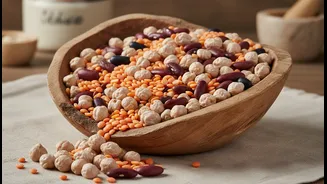
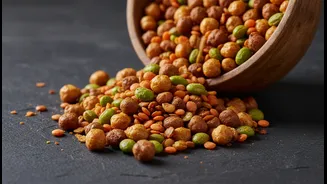
Pulses—the edible seeds of plants in the legume family, like lentils, chickpeas, and peas—are stepping into the spotlight. Already a cornerstone of Indian meals for centuries, they are now being reimagined for modern, on-the-go lifestyles. The appeal is clear: pulses are nutritional powerhouses. They are packed with plant-based protein, which helps in muscle maintenance, and are an excellent source of dietary fibre. This protein-fibre combination is key to their success as a snack. It promotes a feeling of fullness and satiety, helping to manage appetite and prevent overeating. Furthermore, pulses have a low glycemic index, meaning they release energy slowly, preventing the sharp blood sugar spikes and subsequent crashes often associated with sugary snacks.
From Dal and Chana to Crisps and Chips
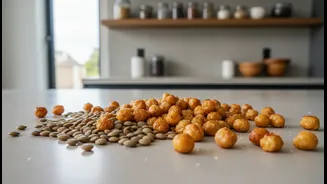
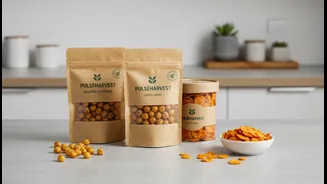
While roasted chana has long been a beloved healthy snack in India, the innovation has exploded. The market is now seeing a boom in products like lentil chips, pea-based puffed snacks, and black chana (kala chana) crisps. These aren't just healthier versions of potato chips; they offer a distinct, satisfying crunch and flavour. Brands are getting creative, using methods like vacuum-cooking or compression popping instead of deep-frying to create lighter, less oily products. A nutritional comparison shows that a serving of lentil-based chips can contain two to three times more protein and significantly less sugar and fat than traditional potato chips or even some protein bars. This shift transforms pulses from a simple meal staple into a versatile ingredient for the modern food system.
The Science of Savoury Satisfaction
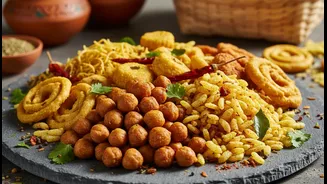
The move towards savoury is about more than just avoiding sugar. Many consumers find savoury flavours inherently more complex and satisfying for a snack. The combination of protein, fibre, and complex carbohydrates in pulse-based snacks provides sustained energy and keeps hunger at bay for longer. This makes them an ideal choice for the mid-afternoon slump or a pre-workout boost. In India, where traditional snacks, or namkeen, have always been popular, this trend feels like a natural evolution. Manufacturers are tapping into this by launching ethnic flavours like pudina chutney alongside global ones like sour cream and onion, catering to a diverse palate. The result is a snack that feels both innovative and comfortingly familiar.
Making Mindful Choices
While pulse-based snacks are generally a healthier option, it's still important to be a discerning consumer. When choosing a packaged snack, it's wise to check the ingredient list. Look for products where the pulse (like lentil flour or chickpeas) is one of the first ingredients to ensure you're getting a meaningful amount. Also, pay attention to the sodium content and the preparation method—baked or roasted is typically better than fried. The ultimate goal of this trend is not just to replace one packaged snack with another, but to embrace a more mindful approach to eating, where snacks are both delicious and genuinely nourishing.