



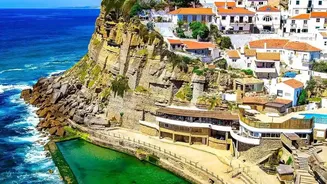
The Allure of the Atlantic Coast
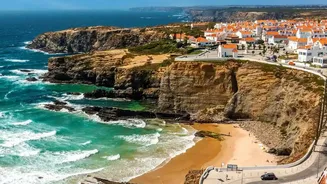
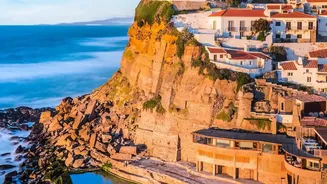
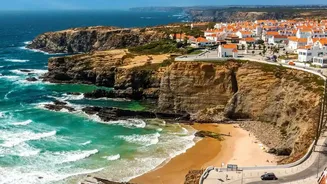
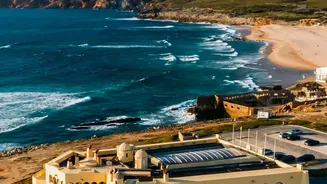
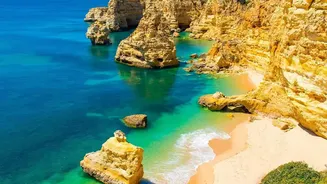
Portugal's coastline offers far more than the popular Algarve. North of Lisbon, the Costa de Prata, or Silver Coast, is a rugged stretch of world-class surf beaches, traditional fishing villages, and tranquil lagoons. South of the capital, the Alentejo
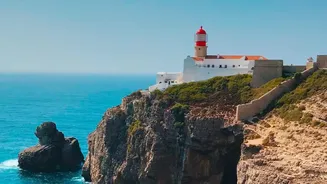
coast presents a wilder, more preserved shoreline protected within the Parque Natural do Sudoeste Alentejano e Costa Vicentina, one of Europe's largest coastal parks. This is a coastline of raw beauty, defined by dramatic cliffs and vast, empty sands.
Exploring the Silver Coast
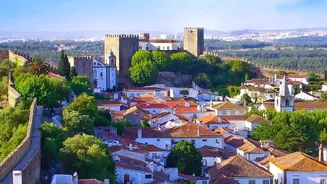
The Silver Coast blends natural beauty with rich history. Towns like Nazaré are famous not only for their picturesque settings but also for hosting some of the world's largest surfable waves. Nearby, the sheltered, shell-shaped bay of São Martinho do Porto offers calm waters perfect for families. A short drive inland leads to the enchanting walled medieval town of Óbidos. The region is a hub for water sports, from paddleboarding in the Óbidos Lagoon to surfing in Peniche and Ericeira. This stretch of coast provides an authentic taste of Portuguese life, where local markets and fresh seafood are central to the culture.
Into the Heart of the Alentejo
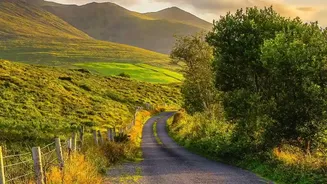
To journey inland is to discover a completely different rhythm. The Alentejo, covering nearly a third of Portugal, is a vast region of rolling golden plains, ancient cork forests, and whitewashed hilltop towns. Life here is dictated by the seasons and the fierce summer sun, making spring and autumn the ideal times to visit. The region's capital, Évora, is a UNESCO World Heritage site with a Roman temple and a haunting bone chapel. This is Portugal's quiet heartland, where fortified towns like Marvão and Monsaraz stand guard over the Spanish border and the roads are blissfully empty.
The Richness of Alentejano Culture
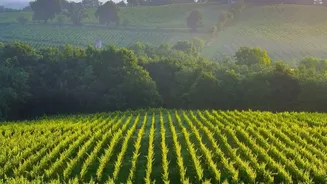
The Alentejo is as rich in culture as it is in space. It is renowned for its bold red wines, with many rural estates ('herdades') offering tours and tastings. The cuisine is hearty and rustic, famous for its black pork and bread-based dishes. The region is also a center for traditional crafts, with São Pedro do Corval known as Portugal's pottery capital. For a truly unique experience, the region's minimal light pollution has created the Dark Sky Alqueva Reserve, a perfect spot for stargazing.
The Terraced Hills of the Douro Valley
Further north, the inland landscape transforms again in the Douro Valley, a UNESCO World Heritage site. Here, steep, terraced vineyards cascade down to the Douro River, creating one of the world's most stunning wine landscapes. This is the birthplace of Port wine, but the region now produces a wide array of acclaimed red and white wines from indigenous grapes like Touriga Nacional. The best way to experience the valley is by car, train, or a river cruise, stopping at 'quintas' (wine estates) for tastings and to soak in the dramatic views.
The Mountains of Serra da Estrela
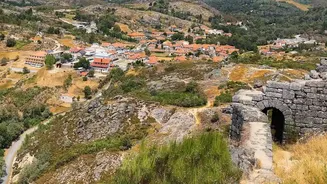
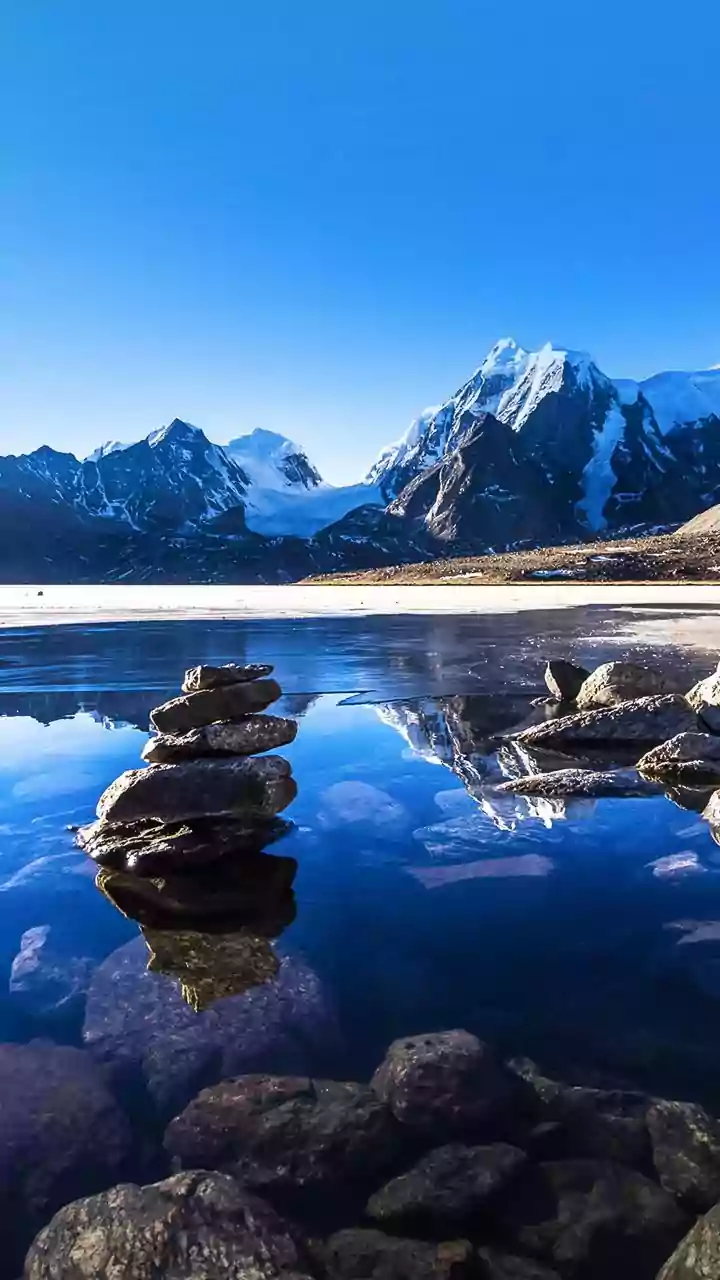
For true mountain scenery, the Serra da Estrela Natural Park in central Portugal is the country's largest protected area and home to its highest peaks. This is a landscape of granite boulders, glacial valleys, and deep ravines, offering a cool escape from the summer heat. With over 375 kilometers of marked trails, it's a paradise for hikers and cyclists. In winter, the mountains often see snow, offering modest opportunities for skiing. The region is also famous for its rich, buttery Queijo da Serra cheese, made from sheep's milk.