




Redefining the 'Easy' Trek
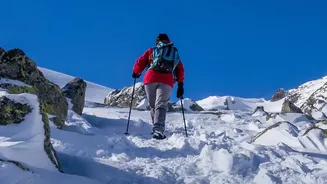
A major reason for the surge is the growing availability of treks designed specifically for beginners. Unlike gruelling expeditions, these 'easy' trails don't require technical climbing skills or extreme physical endurance. Treks like Kedarkantha, Brahmatal,
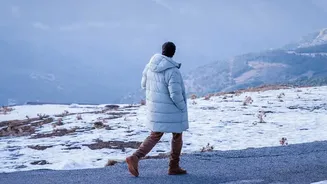
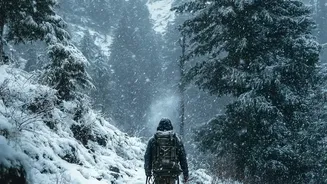
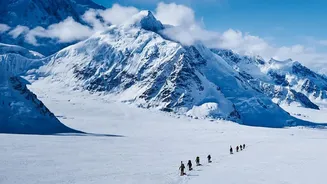
and Dayara Bugyal typically involve 4-6 days of walking on well-defined paths, with gradual ascents to manageable altitudes of around 12,500 feet. This classification helps demystify the Himalayan experience, making it seem achievable for anyone with a basic level of fitness and a desire for adventure. The focus is less on conquering a formidable peak and more on the immersive experience of walking through snow-laden forests and meadows.
The Rise of Organised Adventure
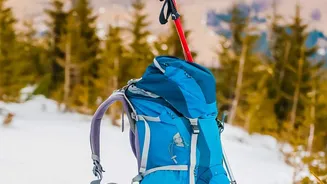
Trekking in India has transformed from an informal, high-risk activity into a structured and professionally managed industry. A few decades ago, adventurers relied on local guides and limited information, which made trekking seem daunting and inaccessible. Today, dozens of trekking companies offer all-inclusive packages that handle everything from transport and permits to food, equipment, and expert guidance. This organised ecosystem removes significant barriers to entry for novices. With experienced trek leaders ensuring safety and managing logistics, first-timers can focus on the experience itself, which has massively boosted their confidence and participation. This has been a key driver in the reported 227% spike in the number of trekkers over the last five years.
The Instagram-Worthy Experience
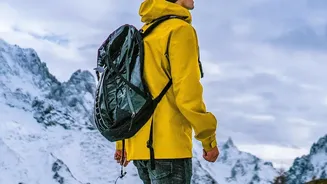
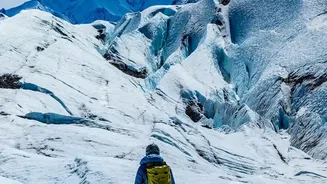
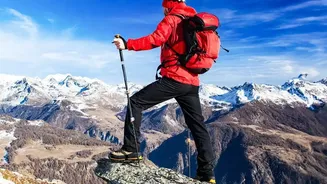
In the age of social media, a trek is not just a physical journey but also a visual story. Platforms like Instagram have become powerful marketing tools, with stunning images of snow-covered landscapes, frozen lakes, and panoramic summit views inspiring countless aspiring travellers. The vibrant, user-generated content from popular trails creates a compelling narrative that is both aspirational and seemingly attainable. This 'Instagram effect' plays a significant role in travel decision-making, encouraging people to seek out these picturesque experiences for themselves. Seeing friends and influencers share their trekking adventures makes the idea more relatable and fuels a desire to not miss out on the trend.
A New Quest for Wellness and Achievement
For many urban dwellers, these short treks offer a perfect escape from the stresses of city life. The combination of physical activity, fresh mountain air, and disconnecting from technology provides a profound sense of mental and physical rejuvenation. Completing a Himalayan trek, no matter how easy, offers a powerful sense of accomplishment and a confidence boost. It’s an adventure that feels both challenging and deeply rewarding. This shift towards experiential travel—where the goal is personal growth, meeting new people, and connecting with nature—has made trekking a popular choice for those seeking more than just a conventional holiday.