




The Current State of Overnight Travel
For decades, overnight trains have been the backbone of long-distance travel in North India, connecting Delhi with cities like Lucknow, Varanasi, Jaipur, and Amritsar. They offer a distinct advantage: saving a day of travel and the cost of a hotel room.
However, the experience can be a mixed bag. While services like the Rajdhani Express offer a baseline of comfort, many other trains struggle with issues of punctuality, cleanliness in washrooms, overcrowding, and inconsistent catering. These challenges often make the journey feel more like a necessity than a pleasant experience, discouraging potential leisure travellers who might otherwise opt for a weekend getaway by rail.
A Glimpse into the Future: The Vande Bharat Sleepers
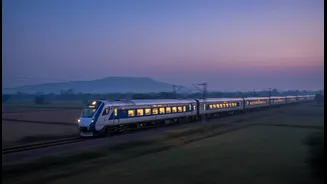
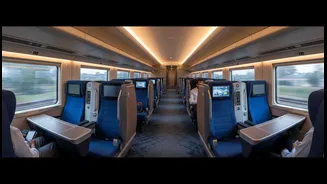
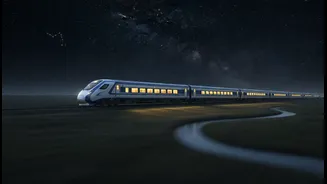
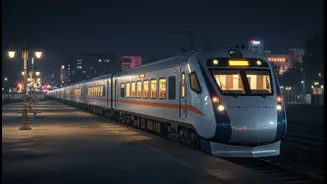
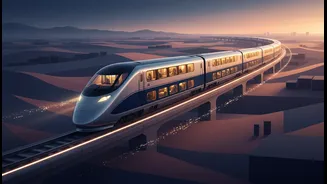
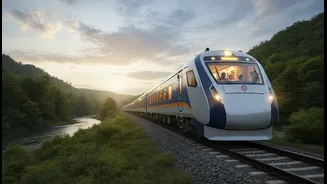
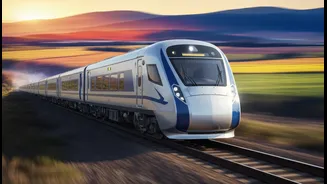
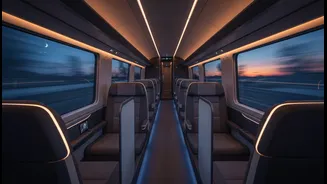
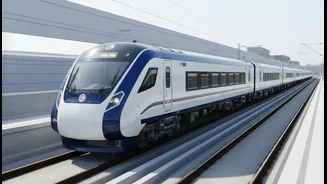
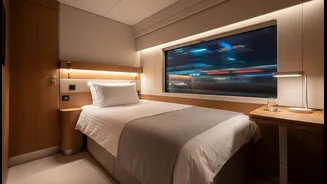
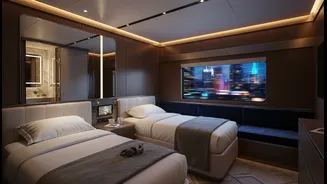
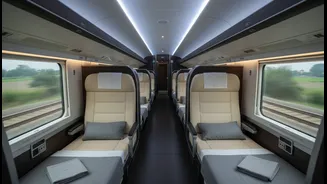
The game-changer on the horizon is the Vande Bharat Sleeper train, which began operations in January 2026. These indigenously designed trainsets are engineered to provide an experience more akin to air travel, with a focus on speed, comfort, and modern amenities. The trains feature ergonomically designed berths, automatic doors, bio-vacuum toilets with odour control, better suspension for a smoother ride, and reduced noise levels. With a mix of AC First, Two-Tier, and Three-Tier coaches, they are designed to cater to a wider range of passengers. The goal is to redefine overnight travel from a tiring transit into a restful, hotel-like experience. This leap in quality is precisely what's needed to unlock the potential for short, spontaneous city breaks.
Unlocking North India's Tourism Circuits
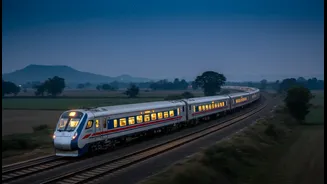
Imagine leaving Delhi after work on a Friday and waking up refreshed in Amritsar, ready to visit the Golden Temple. Or travelling overnight to Jaipur and spending the entire weekend exploring its forts and palaces before an overnight return on Sunday. This is the future that comfortable sleeper trains could enable. Key routes across North India are ripe for this transformation. A Delhi-Lucknow service could boost cultural tourism, while a Delhi-Varanasi route would serve pilgrims and tourists alike. Faster, more reliable, and cleaner trains would make weekend trips less of a logistical challenge and more of an appealing option for families, solo travellers, and business professionals. It could effectively create a new, sustainable tourism model built around the country's extensive rail network.
The Hurdles Beyond the Hardware
Simply introducing new, state-of-the-art trains is only part of the solution. To make overnight city breaks truly seamless, the entire ecosystem needs an upgrade. This includes ensuring the high punctuality that these new trains promise, which is often hampered by network congestion. Over 80% of India's busiest routes are running over capacity, which can lead to delays even for premium trains. Furthermore, railway stations need to be cleaner, safer, and offer better last-mile connectivity. The booking process, while largely digitised, can still be a hurdle for many. Addressing these infrastructural and operational challenges is critical to ensuring that the premium experience onboard the train is not undone by the experience before and after the journey.