

The Ancient Grain's Modern Appeal
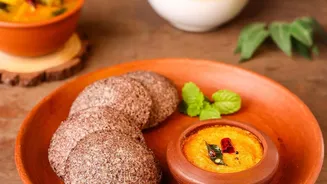
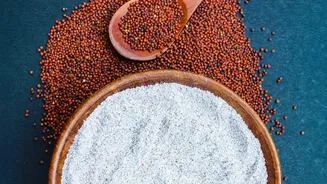
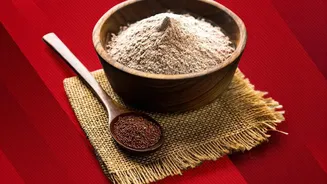
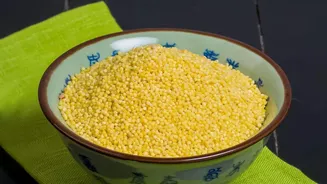
Jowar, also known as sorghum, is a powerhouse of nutrition that has been cultivated in India for centuries, traditionally used to make flatbreads like rotis and bhakris. This humble millet is naturally gluten-free, rich in dietary fibre, protein, and essential
minerals like iron and magnesium. Its recent surge in popularity among urban populations is driven by a growing awareness of health and wellness. Consumers are actively seeking alternatives to refined flours, and jowar fits the bill perfectly with its low glycemic index, which helps in managing blood sugar levels, and its high fibre content that promotes satiety and digestive health. This makes it an ideal ingredient for creating snacks that cater to diabetics, those with gluten intolerance, and anyone pursuing a healthier lifestyle.
The Baker's Gluten-Free Challenge
Transforming jowar into a crispy cookie, however, is a significant technical challenge. The very quality that makes it attractive to health-conscious consumers—its lack of gluten—is what makes it difficult to work with in baking. Gluten is the protein that gives wheat-based doughs their elasticity and structure, allowing them to trap air and create a light, chewy texture. Jowar flour, being gluten-free, produces a dough that can be dense and crumbly. Achieving the perfect crispy-yet-not-hard texture that cookie lovers crave requires a deep understanding of food science and innovative baking techniques. Without careful formulation, jowar cookies can easily turn out dry, sandy, or rock-hard.
Secrets from the Modern Kitchen
So, how do bakeries overcome these hurdles? The secret lies in a combination of smart ingredient pairing and precise technique. To compensate for the lack of gluten, bakers often introduce binding agents. These can include natural options like ground flaxseed, psyllium husk, besan (gram flour), or even mashed bananas. Some commercial bakeries might use gums like xanthan gum to mimic gluten's binding properties. Fat and sweeteners are also crucial. Many artisanal bakeries opt for healthier fats like ghee, coconut oil, or even the natural oils from ground nuts and seeds like almonds. These fats not only add flavour but also contribute to a richer mouthfeel and help in creating a crisp texture. Instead of refined sugar, many use jaggery, which adds a complementary earthy sweetness. The baking process itself is meticulously controlled; often, a lower temperature for a longer duration is used to slowly draw out moisture, ensuring the cookies become uniformly crispy without burning.
More Than Just a Healthy Snack
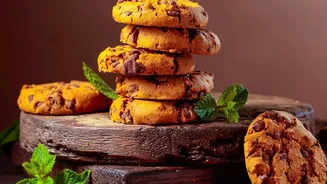
The result is a cookie that offers more than just a sweet treat. It's a functional food packed with benefits. The high fibre content from jowar keeps you feeling full longer, making it a satisfying snack that can help prevent overeating. The use of jaggery instead of refined sugar provides trace minerals like iron and magnesium. Furthermore, the grain's antioxidant properties, derived from compounds like polyphenols and tannins, help combat oxidative stress in the body. For urban consumers navigating busy lifestyles, a jowar cookie is a convenient way to get a dose of sustained energy without the subsequent crash associated with sugary, refined-flour snacks. It's a snack that aligns with modern wellness goals: clean ingredients, functional benefits, and no compromise on taste.
From Niche Market to Mainstream Trend
What started in niche health food stores and artisanal bakeries is now becoming a mainstream trend. Several startups and established brands have launched their own lines of millet-based products, with jowar cookies being a popular offering. This shift reflects a larger movement towards embracing traditional Indian ingredients and reimagining them for the modern palate. Consumers are no longer just buying a cookie; they are buying into a story of heritage, health, and innovation. They are choosing products that connect them to their roots while supporting a healthier future for themselves and the environment, as millets are also known for being sustainable, drought-resistant crops.