
The Red Planet’s Turbulent Weather
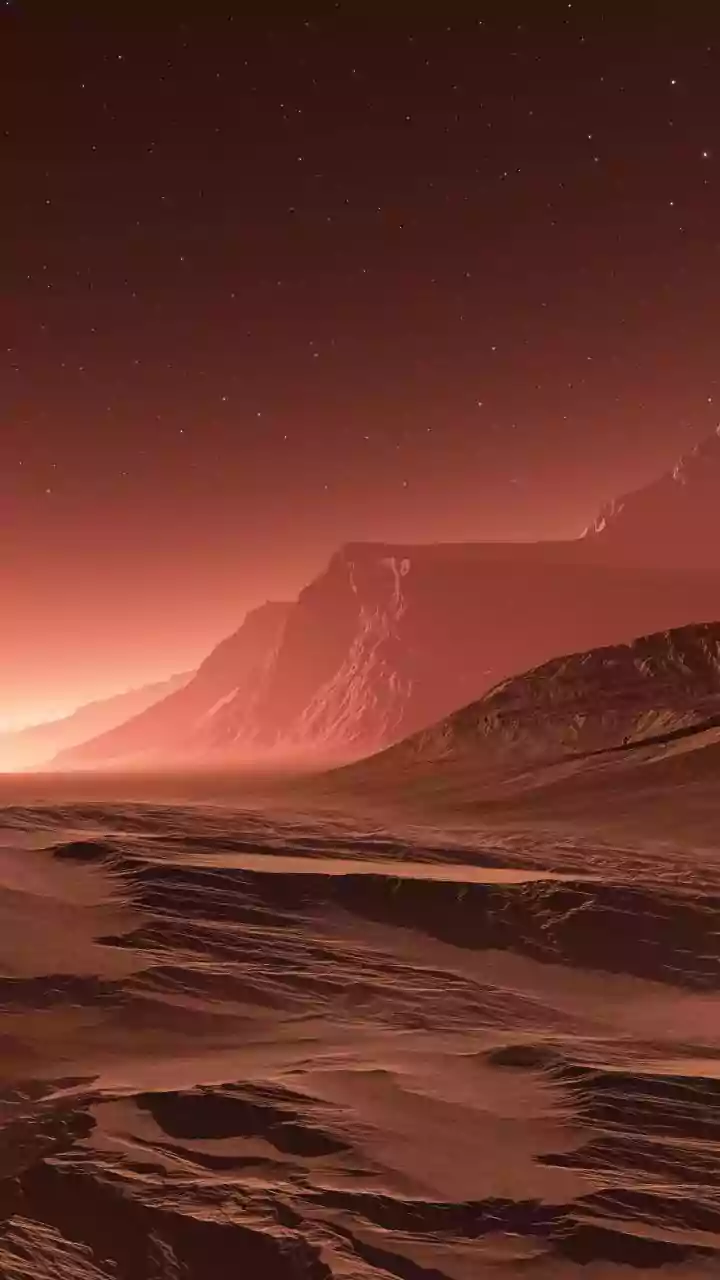
Imagine a dust storm so vast it covers an area twice the size of the United States and lasts for weeks. On Mars, this is a reality. These seasonal tempests range from small, local squalls to planet-encircling events that plunge the surface into near-darkness.
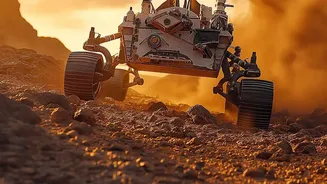
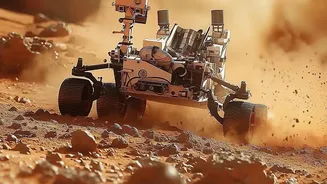
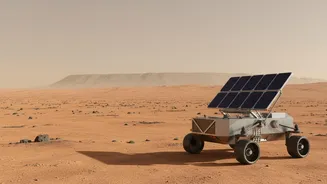
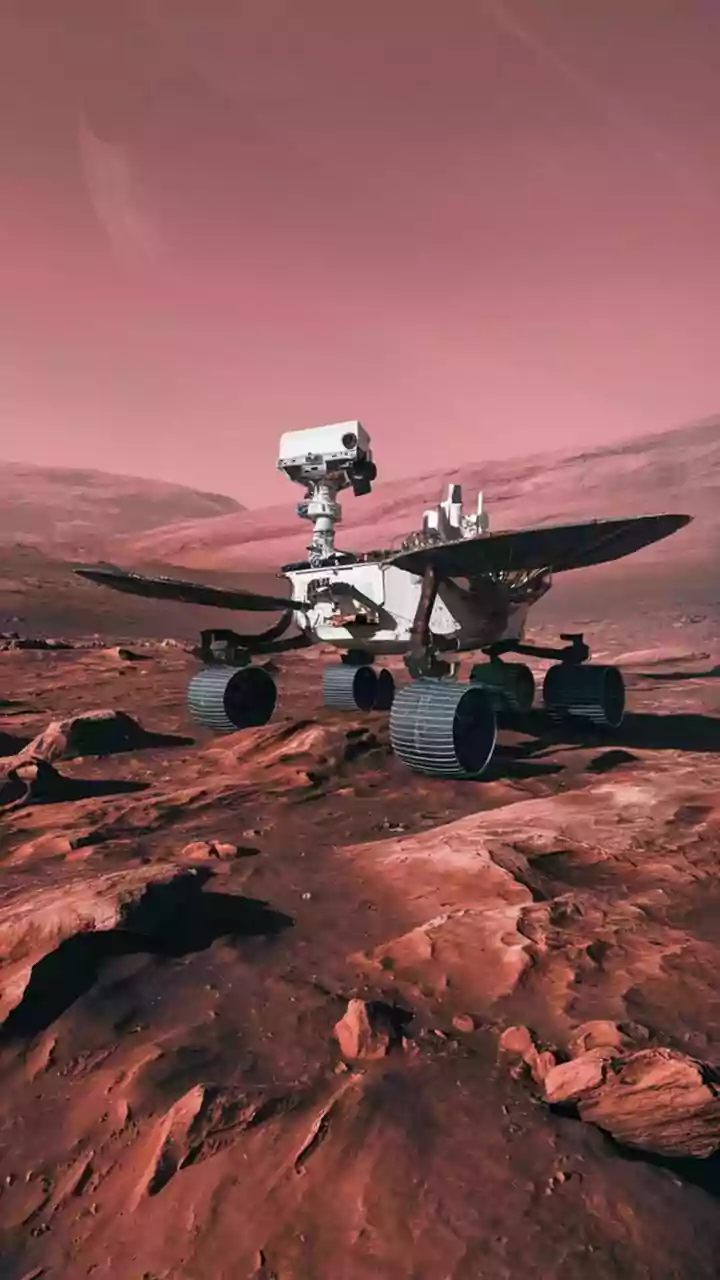
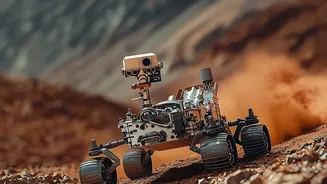
The primary danger for robotic missions isn't the wind—the Martian atmosphere is too thin for wind to cause much physical damage—but the dust itself. This fine, electrostatically charged dust sticks to everything. It coats solar panels, choking off the power supply for rovers like the long-lived Opportunity, whose mission ultimately ended during a global dust storm in 2018. It also gets into moving parts, abrades surfaces, and can interfere with communications and sensitive scientific instruments.
The Martian Weather Satellites
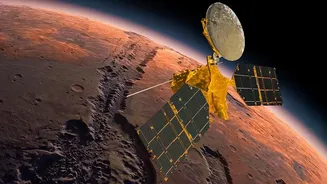
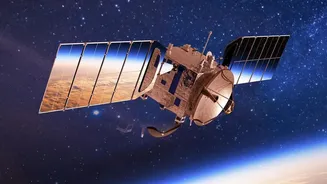
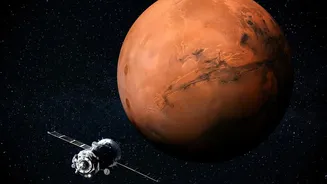
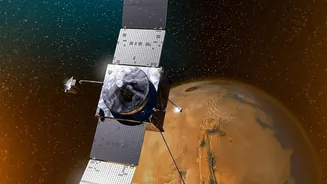
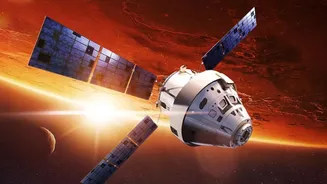
To protect these multi-billion dollar assets, NASA relies on a fleet of orbiters that act as Martian weather satellites. Chief among them is the Mars Reconnaissance Orbiter (MRO), a spacecraft that has been circling the Red Planet since 2006. While its mission includes studying geology and searching for water, one of its most critical roles is to monitor the atmosphere day in and day out. Along with other orbiters like Mars Odyssey and MAVEN, MRO provides a constant stream of data, creating a comprehensive picture of the planet's climate and serving as a vital early-warning system. These orbiters are the eyes in the sky, allowing scientists on Earth to become interplanetary meteorologists.
A Camera Built for Storm Chasing
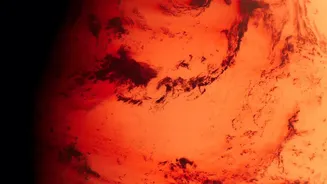
The key instrument for this planetary weather watch is the Mars Color Imager, or MARCI. It’s a wide-angle camera aboard the MRO specifically designed to produce a daily global weather map. Every day, MARCI captures a series of images in five visible and two ultraviolet wavelengths. Stitched together, these images provide a complete picture of the planet, allowing scientists at Malin Space Science Systems, who built and operate the camera, to track the formation of clouds, the movement of water vapor, and most importantly, the birth of dust storms. While other cameras on MRO, like the high-resolution HiRISE, can zoom in on incredible details, MARCI’s strength is its broad, synoptic view that tracks how weather systems evolve over time.
From Daily Snapshots to a Forecast
The process of predicting a storm is a meticulous one. Scientists analyze MARCI's daily global maps, looking for the tell-tale signs of dust being kicked up into the atmosphere. They can spot small, localized storms and monitor their growth and direction. This daily cadence is crucial, as some Martian dust storms can explode in size in a matter of days. In addition to MARCI's visual data, another MRO instrument called the Mars Climate Sounder measures atmospheric temperatures. Rising dust warms the atmosphere, which in turn can affect wind patterns and cause a storm to expand even more rapidly. By combining this temperature data with the visual tracking from MARCI, scientists can forecast how a storm might evolve and whether it poses a threat to assets on the ground.
Protecting Rovers and Future Astronauts
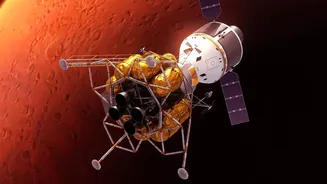
These orbital forecasts have proven invaluable. When a major dust storm was detected in January 2022, the team for the InSight lander was able to place it into a protective "safe mode" to conserve power as sunlight dwindled. The Ingenuity Mars Helicopter's flights were also postponed until the skies cleared. For solar-powered rovers, an early warning gives operators time to minimize activities and conserve precious battery life, hoping to ride out the storm. This capability is not just about protecting robots. As NASA and other agencies plan for human missions to Mars, the ability to predict these massive storms is a non-negotiable safety requirement. Future astronauts will need reliable weather forecasts to protect their habitats, power systems, and themselves from the hazardous, pervasive dust.