






The Rise of the Micro-Break
The era of saving up all your leave for one big yearly trip is fading. In its place, a new travel philosophy is taking hold, driven by the realities of modern work. Professionals across India are now opting for shorter, more frequent getaways that fit
into their packed lives. These "micro-vacations," often lasting just two to four days, have become a popular solution for those needing to recharge without the logistical headache of a long holiday. This shift reflects a change in priorities; travel is becoming less of a rare, monumental event and more of a regular, essential habit for well-being. Instead of waiting months for a break, people are weaving multiple short trips into their year, using long weekends and flexible work policies to their advantage.
Burnout as a Travel Agent
A key driver behind the staycation and micro-trip trend is widespread professional burnout. The 'always-on' culture, where work bleeds into evenings and weekends via smartphones and laptops, leaves many feeling perpetually drained. Frequent business travel itself contributes to this, causing exhaustion, disrupted sleep, and emotional strain. In this environment, the prospect of an elaborate vacation—with its planning, packing, and potential for travel stress—can feel like a second job. As a result, many are choosing to disconnect without the hassle of airports and overstuffed itineraries, prioritising genuine mental rest over a hectic travel schedule.
Redefining the Getaway
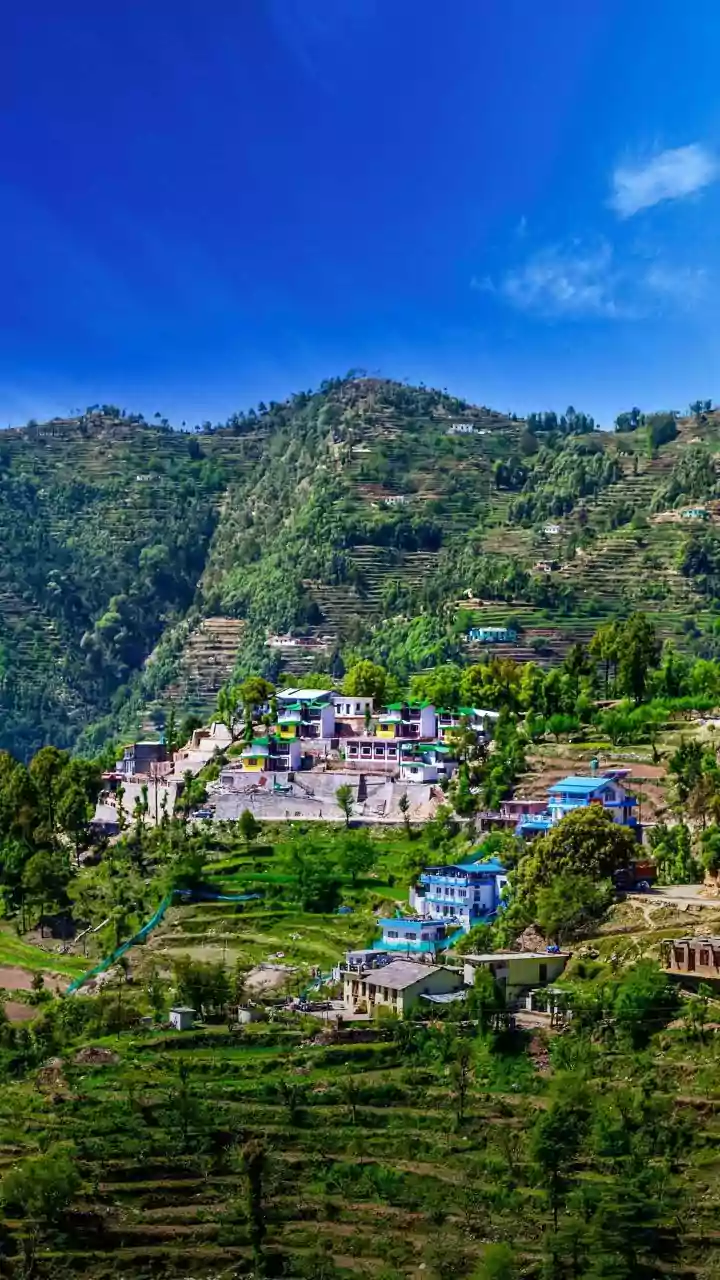
The modern staycation is far more than just staying home. It's about consciously creating a holiday experience within your own city or a short drive away. This can mean checking into a luxury city hotel for a weekend of pampering, complete with spa treatments and poolside dining. For others, it’s about exploring their local area like a tourist—visiting nearby museums, cafes, and parks that are often overlooked in the daily grind. This trend also includes quick getaways to nearby destinations, with hill stations like Mussoorie and Coorg, or beach towns like Alibaug and Pondicherry, becoming go-to spots for short, refreshing breaks. The focus has shifted from the distance travelled to the quality and convenience of the experience.
The New Economics of Rest
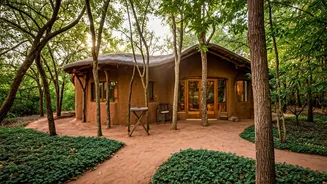
While time is the new currency, money still matters. Economic factors like fluctuating flight costs and general price uncertainty make local travel a more predictable and budget-friendly option. However, the trend isn't solely about saving money. Many are choosing to spend thoughtfully on high-quality local experiences. This includes investing in luxury hotel stays, wellness retreats, or unique accommodation that becomes the destination itself. The staycation allows for a taste of opulence and comfort without the significant expense of international flights and long-duration bookings, making it an accessible form of indulgence.
The Joy of Staying Close
Ultimately, the staycation trend is a move towards slower, more meaningful travel. It represents a pushback against the pressure to have a picture-perfect, far-flung holiday, embracing instead the joy of missing out on travel-related stress. By removing the pressure to 'do everything,' these shorter, local breaks create more space for spontaneity and genuine connection. This approach aligns with a growing desire for authenticity and supporting local communities, from independent cafes to family-run attractions. As work patterns continue to evolve, the ability to find rest and rejuvenation close to home is no longer just a trend, but a necessary and rewarding part of a balanced modern life.