

The Gold Standard: Cashew Paste
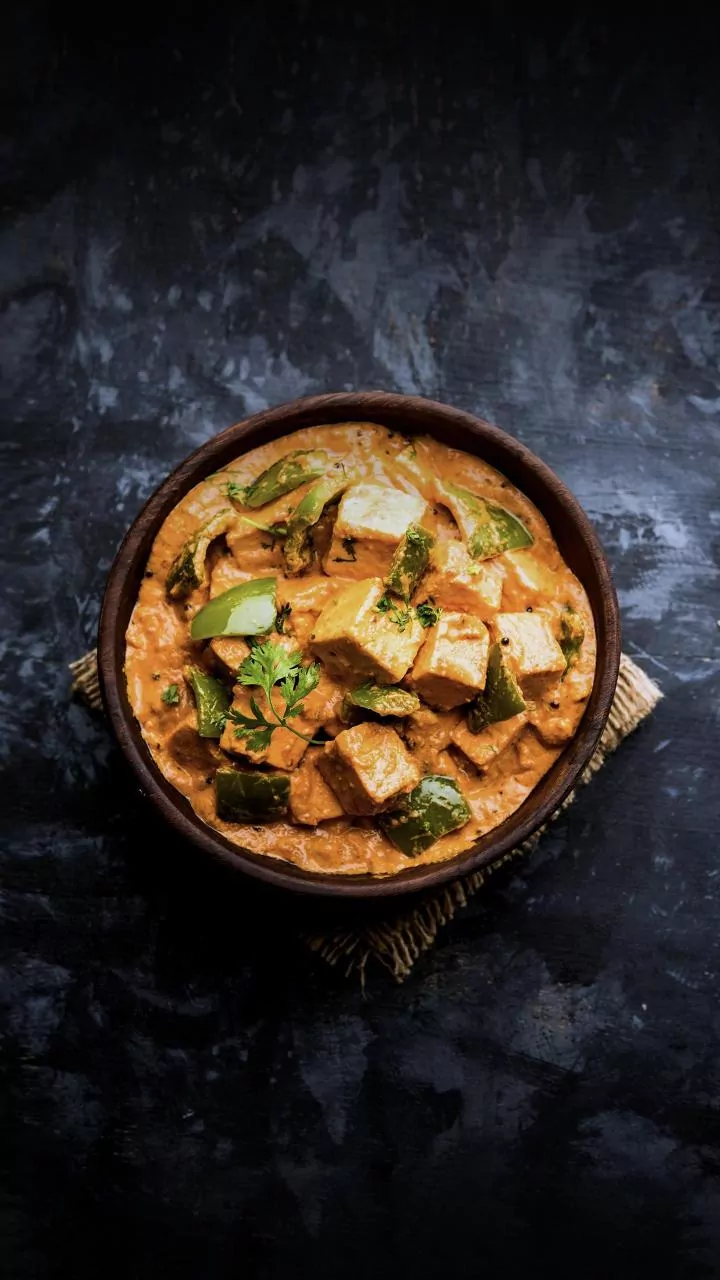
Cashew paste is perhaps the most popular and versatile dairy-free thickener in Indian cooking, especially in Mughlai and North Indian cuisines. It creates a wonderfully rich and creamy texture with a mild, slightly sweet flavour that doesn't overpower
the spices. To make it, simply soak raw, unsalted cashews in warm water for at least 30-45 minutes, though a few hours is better. Then, drain the nuts and blend them with a little fresh water until you have a completely smooth, thick paste. This 'kaju' paste can be stirred into the gravy base (typically after the onions and tomatoes have been cooked down) and simmered gently. It’s the secret behind many restaurant-style kormas and butter chicken alternatives, lending body and a luxurious finish without a drop of cream.
The Coastal Classic: Coconut Milk and Cream
Coconut is another cornerstone of creamy, dairy-free curries, particularly in South Indian and coastal regions like Kerala and Goa. Unlike the neutral flavour of cashew, coconut brings its own distinct, aromatic sweetness. For a thick, rich gravy, full-fat canned coconut milk or coconut cream is the best choice. It should be added towards the end of the cooking process and simmered gently, as boiling it vigorously can cause it to split. Its flavour profile pairs beautifully with tangy ingredients like tamarind and spices such as mustard seeds and curry leaves, creating a perfectly balanced sauce for vegetable, lentil, and fish curries.
The Royal Alternative: Almond Paste
Similar to cashews, almonds can be transformed into a paste that thickens and enriches gravies. Almond paste was historically used in the royal kitchens of North India. The process is much the same: soak blanched almonds in water, then grind to a fine paste. While some cooks prefer to remove the skins for a smoother, paler gravy, you can also use almond flour as a shortcut. Almonds provide a slightly different nutty flavour compared to the buttery quality of cashews, but they work exceptionally well in rich, celebratory dishes. Be mindful that, like other nut pastes, it can make a gravy gritty if not blended finely enough.
The Traditional Thickener: Poppy Seed Paste
White poppy seeds, known as 'khus khus' in Hindi and 'posto' in Bengali, are a traditional thickening agent that provides a unique texture and a subtle, earthy nuttiness. They are a staple in Bengali cuisine and are also used in other regional dishes. To prepare, the tiny seeds must be rinsed and then soaked for at least a couple of hours before being ground into a very fine paste, often with a little water. This paste is then cooked with the spices and other aromatics. It not only thickens the gravy but also gives it a distinct, almost nutty character, famously used in dishes like 'aloo posto' (potatoes in poppy seed paste).
The Unsung Hero: Melon Seed Paste
Melon seeds, or 'magaz', are a fantastic and surprisingly neutral thickening agent used in many Mughlai dishes. Often, a mix of four types of seeds (watermelon, muskmelon, cucumber, and pumpkin) known as 'char magaz' is used. These seeds are soaked and ground into a paste just like cashews. Their primary benefit is that they add body and a creamy feel to a gravy without contributing a strong flavour of their own, allowing the spices to shine. Magaz paste is often used in combination with cashew or almond paste to create complex, rich sauces for koftas and other celebratory curries.
Other Plant-Based Tricks
Beyond nuts and seeds, other ingredients can help create a thicker, more satisfying curry. A well-cooked onion and tomato masala, when puréed, forms a naturally creamy base. Some recipes also use a small amount of gram flour (besan) or even puréed cooked vegetables like potato or pumpkin to add body. Puréed lentils can also lend a hearty, thick consistency to many dishes. These methods prove that the world of Indian cooking is full of ingenious ways to achieve the perfect texture, making dairy an option rather than a necessity.