
Ghent, Belgium: The Authentic Alternative
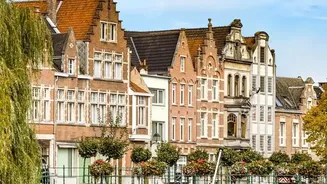
While many travelers flock to Bruges for its postcard-perfect canals, nearby Ghent offers a similar medieval charm with a more authentic, lived-in feel. This is a university city, and its energy is palpable day and night. The historic center is a stunning
tapestry of Gothic architecture, riverside quays, and cobblestone streets. Don't miss Gravensteen, a formidable 12th-century castle that sits right in the city center, offering a glimpse into the region's tumultuous past. Unlike more tourist-centric towns, Ghent feels like a real, working city where history and modern life coexist beautifully. It provides the canals and charm you're looking for but with fewer crowds and a vibrant local scene that continues long after the day-trippers have gone home.
Colmar, France: A Fairytale in Alsace
Nestled on the Alsace Wine Route near the German border, Colmar feels like it has been lifted directly from the pages of a storybook. The town is famous for its exceptionally well-preserved old town, featuring winding cobblestone streets and half-timbered houses painted in a rainbow of colors. A district known as 'Little Venice' is a highlight, where picturesque homes line the Lauch River. First mentioned in the 9th century, Colmar became a prosperous trading center in the Middle Ages and, remarkably, its historic core survived World War II almost entirely intact. This means the charming buildings you see are authentic, not reconstructions. It’s a must-visit for anyone seeking fairytale aesthetics without the overwhelming crowds of larger French destinations.
Rothenburg ob der Tauber, Germany: Along the Romantic Road
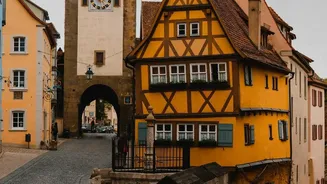
As one of the best-preserved walled medieval towns in Germany, Rothenburg ob der Tauber is a highlight of the famous Romantic Road. Its fortified walls, complete with 42 towers and multiple gates, are almost entirely intact and can be walked for stunning views of the town and the surrounding Taubertal valley. While popular, it avoids feeling like a simple tourist trap, especially if you stay overnight when the day-trip crowds have departed. The atmosphere after dark is magical, with lamplit alleys and a sense of stepping back in time. Key sights include the Plönlein, a famous picturesque corner, and the imposing St. Jacob's Church. The town's history dates back to the 10th century, offering a deep and authentic dive into medieval Bavaria.
Albarracín, Spain: The Red-Hued Wonder
Often cited as the most beautiful village in Spain, Albarracín is a breathtaking sight, perched on a rocky outcrop above the Guadalaviar River in the Aragón region. Its buildings have a distinctive reddish-pink hue from the local sandstone, creating a unique chromatic harmony. The town's history is rich, having been the capital of a Berber kingdom in the 11th century before being incorporated into the Kingdom of Aragon. Its medieval layout of narrow, winding streets remains incredibly well-preserved. Visitors can explore the ancient defensive walls that snake up the hillside and visit the historic castle and cathedral. Far from the bustling coasts, Albarracín offers a peaceful and authentic journey into Spain's medieval past.
Mostar, Bosnia and Herzegovina: A Bridge Between Cultures
Mostar offers a profound historical experience, showcasing a unique blend of Ottoman and European influences. The city, which developed as an Ottoman frontier town in the 15th and 16th centuries, is named after its iconic Stari Most (Old Bridge). This 16th-century masterpiece of Ottoman engineering was destroyed during the conflict in the 1990s but has been meticulously rebuilt and stands today as a powerful symbol of reconciliation. The Old Town is a UNESCO World Heritage site, where you can wander through a bustling bazaar with coppersmiths and artisans, visit historic mosques, and admire old Turkish houses. Mostar provides a compelling look at a crossroads of cultures and religions, and a history that is both poignant and resilient.